
Visiting Castillo de San Marcos National Monument: A Guide to America’s Oldest Fortress
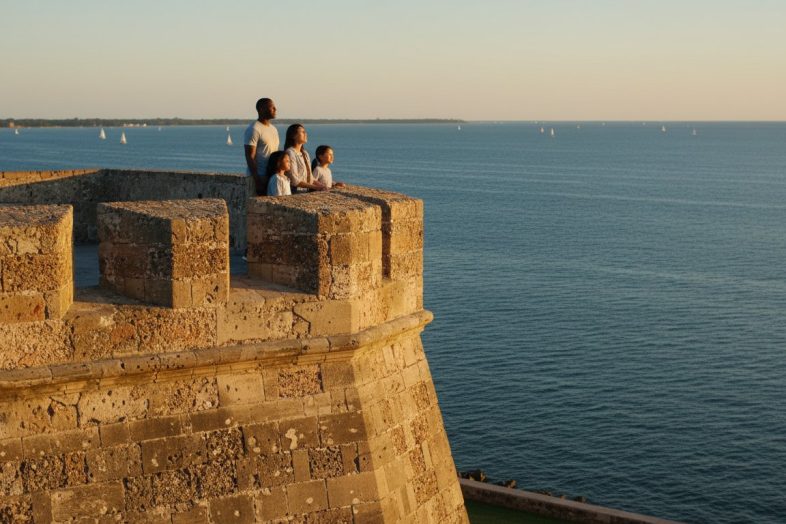
Visiting Castillo de San Marcos National Monument: A Guide to America’s Oldest Fortress
What if a fortress built from crushed seashells was more resilient than the strongest stone walls in the world? For over 327 years, the castillo de san marcos national monument has stood as a silent guardian over St. Augustine, surviving fierce sieges and the humid Florida salt air without ever being taken by force. You likely recognize its iconic diamond-shaped bastions as a must-see landmark, but planning a visit can feel daunting when you’re worried about handling tourist crowds or finding clear accessibility information for neurodiverse family members. It’s natural to want a trip that feels both historically rich and locally responsible.
We believe that every traveler deserves to feel empowered and prepared. This guide promises to help you discover the unique coquina architecture and deep history of the fort while providing the practical, inclusive tips you need for a smooth 2026 experience. We’ve curated the essential details to make your journey easier, from finding vetted local businesses to understanding the latest credit-only entry requirements. You’ll get a clear preview of weekend weapon demonstrations, parking logistics for various vehicle sizes, and a list of exceptional community-centered spots that make our local economy thrive.
Key Takeaways
- Explore the historical significance of the oldest masonry fort in the continental United States and its role in protecting the nation’s oldest city.
- Understand how the unique coquina architecture of the castillo de san marcos national monument absorbed cannon fire and protected its inhabitants for centuries.
- Access inclusive planning tools and sensory-friendly advice to navigate the monument’s layout with ease, regardless of your family’s specific needs.
- Secure your 2026 travel plans with essential logistics on entry fees, credit-only payment policies, and optimal times for live weaponry demonstrations.
- Enhance your visit by discovering vetted local businesses and accommodations that support the diverse community surrounding this iconic landmark.
What is the Castillo de San Marcos National Monument?
The castillo de san marcos national monument isn’t just a collection of stone walls; it’s the physical manifestation of America’s earliest European history. Nestled in the heart of St. Augustine, Florida, the nation’s oldest city, this site has stood watch over the Matanzas River for centuries. It was originally designed to protect the Spanish Atlantic trade route, which was a vital lifeline for the Spanish Empire as they moved gold and silver from the New World back to Europe. Without this massive defense system, the history of Florida would look entirely different. Today, it serves as a powerful reminder of where our collective story began, leading many to say that “America Begins Here.”
The Significance of the 450-Year History
Construction began in 1672, making it the oldest masonry fort in the continental United States. For a deep dive into the specific military campaigns and structural evolutions, you can explore the History of the Castillo de San Marcos. Over the centuries, control of the fort shifted between Spanish, British, and American hands. In 1763, the British took control through the Treaty of Paris, only for it to return to Spain in 1783. By 1821, the United States gained possession. Each empire left its mark on the stone, yet the fort itself was never conquered in battle. Recognizing its unique architectural and historical value, the United States government declared it a National Monument in 1924 to ensure its preservation for future generations.
A Symbol of Cultural Intersection
The fort is a living intersection of global cultures. It wasn’t just home to Spanish soldiers. It was a place where Native Americans, enslaved people seeking freedom, and British settlers crossed paths. In the late 1800s, the fort, then called Fort Marion, was used as a prison for Native Americans, marking a somber but essential chapter in its long timeline. This site interprets the complex meeting of European and American cultures, highlighting both the resilience and the struggles of the people who lived within its walls. For the St. Augustine community, the monument is more than a tourist attraction. It’s a cornerstone of local identity that reminds us of our shared heritage and the diverse voices that shaped the land we walk on today, cementing the castillo de san marcos national monument as a site of profound national importance.
Built from the Sea: The Unique Coquina Architecture
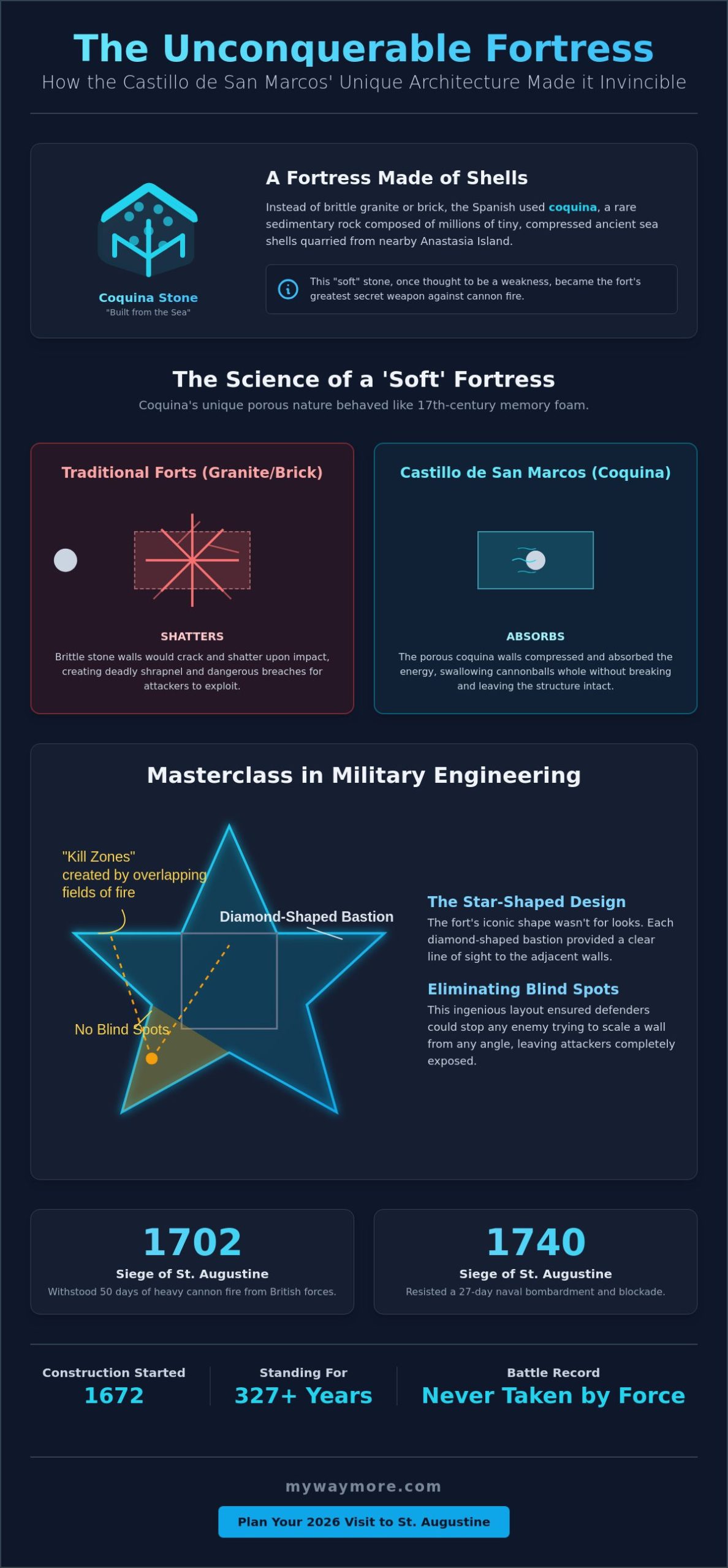
The walls of the castillo de san marcos national monument tell a story of accidental genius. When the Spanish began construction in 1672, they turned to coquina, a rare sedimentary rock composed of millions of tiny ancient sea shells. This material was quarried on Anastasia Island and transported across the water by local laborers, including skilled artisans and enslaved workers. While other forts of the era were built from brittle granite or brick, the builders here chose a “soft” stone that many critics assumed would crumble under heavy fire. Instead, this humble shell rock became the fort’s greatest secret weapon.
The star-shaped bastion design is a masterclass in military engineering. By using a diamond-shaped point at each corner, the defenders eliminated every possible blind spot. If an enemy tried to scale one wall, soldiers on the adjacent bastion had a clear line of sight to stop them. This layout forced attackers into “kill zones” where they were exposed from multiple angles at once. To see the layout for yourself and walk the perimeter of these historic defenses, you can Plan your visit to the Castillo de San Marcos through the official park resources.
The Science of the ‘Soft’ Fortress
Instead of shattering like glass when hit by a cannonball, the porous coquina walls simply compressed and swallowed the iron shot. Think of it like a 17th-century version of a modern ballistic vest or high-density memory foam. The stone absorbed the energy of the impact, often leaving the cannonball buried deep within the wall rather than creating a dangerous breach. This unique property made the fort virtually indestructible during the massive British sieges of 1702 and 1740. Even in the face of Florida’s relentless humidity and salt spray, these shell-stone walls have remained structurally sound for over three centuries.
Exploring the Interior Structure
Inside the fort, the layout centers around a large open courtyard. This space was the heart of the community during times of siege, often housing the entire population of St. Augustine for weeks at a time. Surrounding the courtyard are casemates, which are vaulted rooms used for storage, housing, and even a chapel. As you move toward the upper levels, you’ll reach the gun deck where the heavy artillery was stationed to guard the bay.
Don’t forget to look closely at the walls in the lower rooms. You’ll find intricate graffiti carved by prisoners and soldiers, offering a raw, human connection to the people who once stood exactly where you are. If you’re looking for accessible ways to explore these historic spaces, check out our curated travel directory to find local guides who specialize in inclusive tours. The drawbridge and moat system served as the final layers of defense, ensuring that the interior remained a sanctuary for those within.
Navigating the Site: Accessibility and Sensory-Friendly Tips
Exploring history shouldn’t come with a side of stress. We believe that discovery is a universal right, and our team at MyWaymore acts as your dedicated partner for inclusive travel. Whether you’re navigating the uneven terrain of a 17th-century fortress or looking for a quiet corner to decompress, we’re here to help you find the right path. For a deeper look at how to customize your itinerary, check out our Special Needs Travel Directory for comprehensive planning resources. This tool helps you identify vetted local services that prioritize accessibility, giving you the confidence to explore without hesitation.
To have the most peaceful experience at the castillo de san marcos national monument, timing is everything. The site is most crowded during the middle of the day, especially on weekends when cannon demonstrations draw large groups. We recommend arriving right when the gates open at 9:00 a.m. or visiting after 4:00 p.m. when the midday heat and crowds begin to dissipate. Efforts toward Castillo de San Marcos preservation ensure that the site remains safe and welcoming for all visitors, including those with unique sensory requirements. Use this quick checklist to prepare for your visit:
- Tactile Maps: Available at the visitor center for those with visual impairments.
- Quiet Zones: The corners of the large interior courtyard often provide a reprieve from the main tour groups.
- Audio Descriptions: Accessible through the official NPS mobile app.
- Benches: Located throughout the courtyard for those who need frequent rest breaks.
Tips for Neurodiverse Families
The weekend weapon demonstrations are a major highlight, but the boom of the cannons is incredibly intense. If you or your children are sensitive to loud noises, we strongly suggest bringing noise-canceling headphones for these events, which happen on Saturdays and Sundays at various times throughout the day. You can also use the NPS mobile app’s audio descriptions to help visual learners engage with the exhibits at their own pace. If the interior casemates feel too enclosed, the open courtyard areas serve as excellent quiet zones where you can step back from the crowd while still enjoying the historic atmosphere. Families looking for additional inclusive attractions in the region may also enjoy exploring Boomers Irvine’s sensory-friendly family activities, a Certified Autism Center that offers specialized accommodations for neurodiverse guests.
Physical Accessibility and Mobility
The castillo de san marcos national monument offers excellent access on its lower level. You can explore the historic casemates, the main courtyard, and the museum exhibits with a wheelchair or stroller quite easily. However, reaching the upper gun deck requires navigating a steep, historic ramp that may be challenging for some. If you have mobility concerns, check with the Park Rangers near the entrance about the availability of loaner wheelchairs. Accessible parking is located in the city-managed lot directly in front of the fort, and tactile exhibits are stationed throughout the site to ensure visitors with visual impairments can connect with the fort’s unique coquina texture.
Planning Your 2026 Visit to St. Augustine
Planning a trip to the castillo de san marcos national monument in 2026 requires a bit of savvy strategy to avoid the common pitfalls of a popular tourist destination. We want you to feel confident and prepared as you step into this historic landscape. Because St. Augustine is a compact, walkable city, your logistical choices can make or break the flow of your day. We recommend booking your travel early, particularly if you’re visiting during peak spring or summer months, to ensure you have access to the best local experiences. If you need help tailoring your journey, we offer travel booking assistance to ensure your stay in the nation’s oldest city is as seamless as possible.
Parking near the waterfront is often the biggest hurdle for visitors. The city manages a lot directly in front of the fort for $2.50 per hour, but it only accommodates vehicles 21 feet or shorter. For a stress-free alternative, look into the local shuttle services or the ‘Zebra’ parking areas located just a short distance from the historic district. These options allow you to park once and enjoy the city’s charm without circling the block for a spot. If you’re driving a larger vehicle, the city provides free parking at the corner of West Castillo Drive and Riberia Street, which is a great tip to keep in your back pocket.
Essential Visitor Logistics
The entrance fee for the castillo de san marcos national monument is $15.00 for adults (ages 16 and over). This pass is a great value because it’s valid for seven consecutive days, allowing you to return if you want to catch a second cannon firing. Children 15 and under enter for free when accompanied by an adult. It’s vital to remember that the monument is a cashless site; you’ll need a credit or debit card for all transactions. The fort is open daily from 9:00 a.m. to 5:15 p.m., though the ticket booth closes at 4:45 p.m. To save time at the gate, we suggest these three steps:
- Visit the official NPS website to check for any sudden weather-related closures.
- Purchase your digital pass online before you arrive at the gate.
- Download the NPS app to have your digital ticket ready for scanning, even if cell service is spotty near the thick coquina walls.
Discovering Vetted Local Services Nearby
Once you’ve finished exploring the gun deck and casemates, the rest of St. Augustine awaits. We encourage you to use our directory to find inclusive restaurants, sensory-friendly cafes, and local salons that celebrate diversity and community care. A perfect post-fort itinerary includes a stroll through the Colonial Quarter or a quiet coffee at a nearby cafe that prioritizes accessibility. Supporting these businesses isn’t just about convenience; it’s a way to contribute to the local economy and honor the city’s inclusive spirit. If you’re a local entrepreneur, you can also empower other travelers by learning how to list your business on our travel directory, helping us highlight the exceptional discoveries that make St. Augustine so special.
Why the Castillo is a Must-See Community Landmark
The castillo de san marcos national monument is much more than a collection of weathered coquina walls; it’s a living bridge between our past and our future. When you walk across that drawbridge, you aren’t just a tourist. You’re participating in a 450-year-old story of resilience and cultural intersection. This site stands as a testament to the diverse hands that built it and the community that continues to protect it. By visiting, you’re directly supporting the St. Augustine economy and ensuring that this architectural wonder remains a sanctuary for discovery. We believe that when we travel with intention, every ticket purchased and every local meal enjoyed becomes a collective contribution to the preservation of our shared heritage.
Choosing to spend your time here means more than just checking a box on a travel list. It’s an opportunity to engage with the soul of the nation’s oldest city. As you explore the grounds, you’ll see how the fort’s presence has shaped the local businesses, from the cafes across the street to the artisans in the nearby historic district. This interconnectedness is what makes St. Augustine so special. We’re proud to act as your socially conscious navigator, helping you find those curated and exceptional discoveries that lie just beyond the monument’s shadows.
A Living Classroom for All Ages
Children find a unique sense of empowerment through the Junior Ranger program, where they can earn a badge by engaging with the fort’s history in a hands-on way. It’s a wonderful way to turn a family vacation into a meaningful educational experience that sticks with them for years. The living history demonstrations, featuring volunteers in period-accurate dress, bring the 1700s to life with a vibrancy that textbooks simply can’t match. We encourage multi-generational families to share their unique stories and photos on our platform. Your perspective helps other families see themselves in these historic spaces, making history feel accessible and personal for everyone. Families with children of varying ages and interests may also find that a visit to Boomers Irvine for all-ages family entertainment rounds out a well-balanced travel itinerary that keeps every generation engaged.
Connecting with the MyWaymore Community
Your journey doesn’t end when you leave the fort’s gates. We invite you to browse the community-vetted reviews of St. Augustine businesses on our directory to find your next favorite spot. For special needs families, these reviews are a lifeline, providing honest insights into accessibility and sensory environments that you won’t find on generic travel sites. By sharing your own experiences, you help us curate a world where travel feels safer and more inclusive for everyone. Ready to find your next adventure? Explore more inclusive travel destinations on MyWaymore and join a community that values every traveler’s story. Whether you’re looking for a quiet boutique hotel or a restaurant that understands neurodiversity, we’re here to guide you toward exceptional discoveries that empower both you and the local business owners who make them possible.
Start Your St. Augustine Adventure Today
Walking through the gates of the castillo de san marcos national monument is more than just a history lesson; it’s an opportunity to connect with a legacy of resilience that has stood for over 327 years. You’ve learned how the unique coquina walls absorbed cannon fire and how to navigate the site with sensory-friendly strategies. Now, it’s time to turn those plans into a reality. Since our global travel community was founded in 2021, we’ve remained dedicated to making every journey feel safe and empowering for every type of explorer.
Your visit to the fort is just the beginning of what St. Augustine has to offer. By choosing to support local entrepreneurs and inclusive spaces, you turn a simple trip into a meaningful social contribution. Use our specialized special needs resources and community-vetted reviews to find the perfect places to eat, stay, and relax during your 2026 getaway. Discover vetted local businesses in St. Augustine on MyWaymore and join a movement that celebrates discovery for all. We’re excited to see where your curiosity takes you next.
Frequently Asked Questions
Is Castillo de San Marcos free to visit?
Adults pay $15.00 for a pass that is valid for seven consecutive days, which is a great value for those staying in town. Children who are 15 and under enter for free when they are with an adult. Keep in mind that the ticket booth is entirely cashless; you’ll need a credit or debit card to pay for your entry. This ensures a quick and secure transaction for every visitor.
How long does it take to tour the Castillo de San Marcos?
Most people find that one to two hours is the perfect amount of time for a thorough visit to the castillo de san marcos national monument. This window allows you to walk through the interior rooms, read the museum exhibits, and spend time on the upper gun deck. If you plan to watch a weapon demonstration, you might want to add an extra thirty minutes to your schedule to find a good spot.
Can you see cannon firings at the fort?
You can watch live cannon firings and historic weaponry demonstrations every Saturday and Sunday throughout the year. These popular events are scheduled for 10:30 a.m., 11:30 a.m., 1:30 p.m., 2:30 p.m., and 3:30 p.m. since they depend on clear weather. These demonstrations provide a vivid look at how soldiers defended the fort during the Spanish colonial period, though they can be quite loud for sensitive ears.
Is the fort pet-friendly?
Pets are not permitted inside the historic walls of the monument, but service animals are always welcome to accompany their owners. You are free to walk your leashed pets on the large green spaces surrounding the fort. This area is a local favorite for catching the breeze off the Matanzas River while enjoying the view of the coquina bastions. It’s a great spot for a scenic walk with your furry companion.
What is the best time of year to visit St. Augustine?
March through May and October through November offer the most comfortable weather for exploring the outdoors. Summer months bring high humidity and frequent afternoon thunderstorms, which can sometimes delay the scheduled cannon firings. If you visit during the winter, you’ll experience cooler temperatures and the beautiful holiday decorations that fill the historic district. Each season offers a different way to connect with our local community’s vibrant spirit.
Is there an elevator to the top of the fort?
There is no elevator available at the castillo de san marcos national monument because it is a preserved 17th-century structure. The ground floor, including the courtyard and many casemates, is accessible to most visitors. To reach the upper level, you must navigate a steep stone ramp that was originally used to move heavy cannons into position. We recommend checking with Park Rangers if you have specific mobility concerns before heading up.
Are there guided tours available at the monument?
Visits to the fort are self-guided, allowing you to explore the unique architecture at your own pace. While there aren’t formal scheduled tours, Park Rangers are stationed in various areas to give short interpretive talks throughout the day. These experts are eager to share stories about the people who lived and worked here, making the history feel more personal and engaging for visitors of all ages.
What should I wear for a visit to the Castillo?
We recommend wearing comfortable walking shoes with good grip, as the coquina floors and stone ramps can be uneven. Light, breathable clothing is best for the Florida climate, especially since there is very little shade on the upper deck. Don’t forget to pack a hat and sunscreen to protect yourself from the sun while you enjoy the waterfront views. Being prepared ensures you can focus on the discovery rather than the heat.
Disclaimer
The information provided on MyWaymore Services is for general informational and educational purposes only. While we strive to provide accurate and up-to-date travel and business information, all content is provided in good faith and we make no representation or warranty of any kind, express or implied, regarding the accuracy, adequacy, validity, or completeness of any information on the site.This article may contain affiliate links. If you click on a link and make a purchase or booking, MyWaymore Services may receive a small commission at no additional cost to you. This helps us continue to provide high-quality travel guides and directory services. We only recommend products, hotels (such as RIU or Sandals), and services that we believe add value to our readers.Your use of the site and your reliance on any information provided is solely at your own risk. Always consult with a professional for specific travel, legal, or financial advice.


Recent Comments