
Vacation Rentals for Families with Special Needs: The 2026 Vetting Guide
Vacation Rentals for Families with Special Needs: The 2026 Vetting Guide
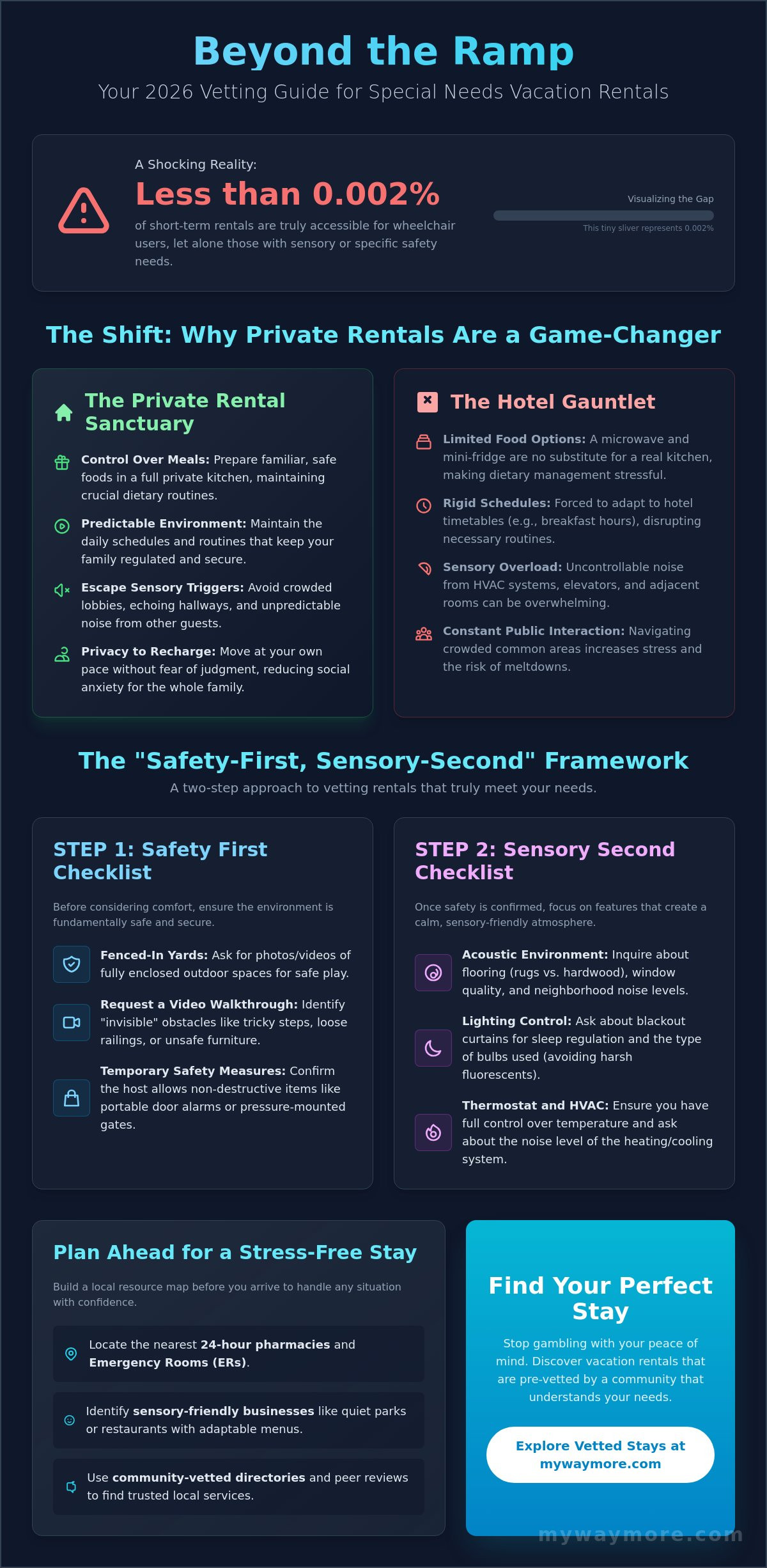
Did you know that less than 0.002% of short-term rentals are truly accessible for people using a wheelchair? That tiny fraction becomes even smaller when your family needs specific safety features to prevent elopement or sensory-friendly environments to avoid a meltdown. Finding reliable vacation rentals for families with special needs shouldn’t feel like a high-stakes gamble with your peace of mind. We understand the exhaustion of scrolling through listings where “accessible” only means a ramp, ignoring the vital nuances of neurodiversity or complex mobility requirements.
You deserve a getaway that feels like a safe, predictable extension of your own home. This 2026 vetting guide empowers you to identify, vet, and book stays that actually meet your family’s unique requirements rather than settling for what is available. We will explore the “Safety-First, Sensory-Second” framework and show you how to navigate updated accessibility regulations to ensure your next trip is defined by joy and discovery rather than stress.
Key Takeaways
- Understand why environmental control in a private kitchen and living space provides the predictability your family needs for a successful trip.
- Look for specific sensory-friendly features like blackout curtains and acoustic soundproofing that ensure your rental is a restful sanctuary rather than a source of overload.
- Learn to identify “invisible” obstacles through video walkthroughs when booking vacation rentals for families with special needs to ensure the home is truly safe.
- Build a local resource map for your destination to quickly locate 24-hour pharmacies, ERs, and sensory-friendly businesses for a stress-free stay.
- Discover how community-vetted directories and peer reviews can help you skip the guesswork and connect with hosts who truly understand your family’s requirements.
The Shift Toward Private Vacation Rentals for Special Needs Families
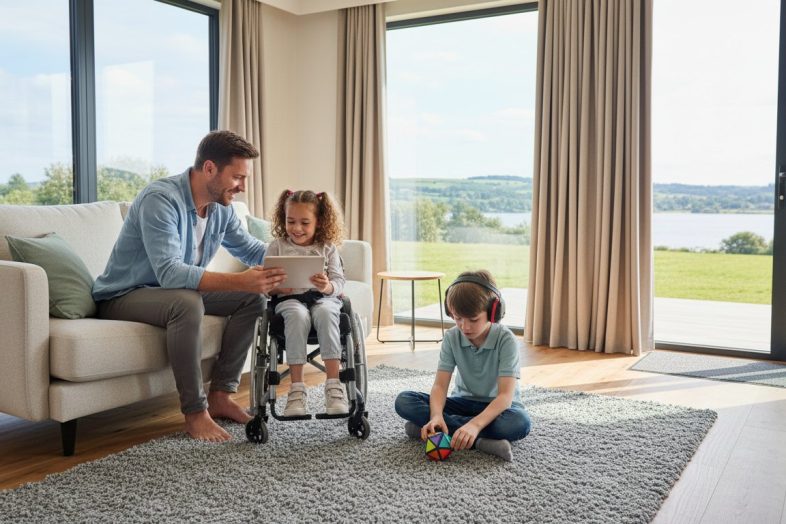
Families are redefining what a getaway looks like in 2026. The trend is moving away from the sterile, often unpredictable environment of hotels toward the sanctuary of a private home. When you book vacation rentals for families with special needs, you aren’t just paying for a place to sleep. You’re securing the ability to maintain a necessary routine that keeps your loved ones regulated and safe. Managing a specialized diet is nearly impossible in a hotel room with only a tiny microwave. A private kitchen allows you to prepare familiar meals, maintaining the nutritional consistency your family relies on to prevent digestive distress or sensory issues with food.
Hotels often present a gauntlet of sensory triggers. Think about the crowded lobbies, the clanging of breakfast buffets, and the echoing hallways that can lead to immediate sensory overload. A private rental removes these social pressures. It allows your family to move at its own pace without the fear of judgment or the anxiety of a public meltdown in a crowded elevator. This level of privacy is a powerful tool for reducing social anxiety for both children and parents.
To see these accessibility features in action, watch this helpful video showing what a truly inclusive home looks like:
Control Over the Sensory Environment
Acoustics matter more than most hosts realize. Hotels have thin walls and industrial HVAC systems that hum at frequencies some children find painful. Private homes allow you to control the thermostat without the mechanical roar and choose locations in quiet residential zones away from sirens or heavy traffic. Separate sleeping quarters are a game changer for the whole family. They provide caregivers a dedicated space to recharge while ensuring the individual with special needs has a quiet, familiar-feeling area to decompress. You can also manage lighting more effectively, swapping out harsh fluorescent bulbs for soft, warm lamps or utilizing blackout curtains to ensure a predictable sleep schedule.
Safety Beyond Standard ADA Compliance
Standard ADA compliance focuses heavily on physical mobility, but “accessible” doesn’t always mean “safe” for every family. A ramp is helpful, but it doesn’t stop a child with a tendency to wander from exiting a front door. Choosing vacation rentals for families with special needs often provides the flexibility that hotels cannot offer. Many hosts are now more open to families installing temporary, non-destructive safety measures like portable door alarms or pressure-mounted gates. Additionally, private rentals often feature fenced-in backyards. These secure outdoor spaces allow for safe play and physical movement without the risks associated with public parks or hotel parking lots. This shift toward specialized rentals is finally closing the gap in inclusive tourism, moving the focus from basic access to true belonging.
Beyond the Ramp: Sensory and Safety Features to Look For
While our previous section explored why private homes are the preferred choice, the real magic happens in the details. A ramp provides entry, but the internal environment determines if a stay is truly successful. For many, “accessible” is a narrow term that ignores neurodiversity. When vetting vacation rentals for families with special needs, you have to look for features that support sensory regulation and physical safety. It’s about creating a predictable world where your loved ones can thrive.
Acoustics play a massive role in day-to-day comfort. Open-concept homes with hardwood floors often create an echo chamber that can be painful for those with auditory sensitivities. Look for rentals that feature area rugs, heavy drapes, or cork flooring to dampen sound. Beyond the walls, consider the neighborhood. A house located on a quiet cul-de-sac offers a level of calm that a property near a main road or airport simply cannot match. You’re looking for a sanctuary, not just a structure.
Lighting control is another vital pillar of a sensory-friendly stay. Industrial-grade fluorescent bulbs are a common trigger for migraines and sensory overload. Ask your host if they use warm-spectrum LEDs or if they provide floor lamps to avoid harsh overhead lighting. Blackout curtains are equally important. They don’t just block the sun; they help maintain a strict sleep routine by signaling to the brain that it’s time to rest, regardless of outside distractions. If you’re feeling overwhelmed by the vetting process, you can find vetted listings and travel assistance through community-centric platforms that prioritize these nuances.
The Neuro-Inclusive Kitchen and Bath
Safety in the kitchen starts with the stove. Induction cooktops are ideal because they remain cool to the touch, significantly reducing the risk of accidental burns. In the bathroom, look for anti-scald valves that prevent sudden temperature spikes. Handheld showerheads are another excellent feature; they allow for a more gradual and controlled introduction to water for those who find traditional showers overwhelming. Simple visual labels on pantry shelves or drawers can also help guests maintain a sense of autonomy and order.
Outdoor Safety and Boundaries
A secure perimeter is the ultimate peace of mind. Always verify the height of backyard fences and the type of latches used on gates. If the property is near a pool, pond, or lake, ask specifically about door alarms or perimeter sensors. Elopement is a constant concern, so these layers of protection are essential. Finally, look for soft “crash pads” like lush grass areas or even a trampoline. These spaces provide a safe outlet for physical regulation and heavy work, helping everyone stay balanced throughout the trip.
Vetting a Rental: Questions Every Special Needs Parent Should Ask
Static photos are the “best-case scenario” of any property. In 2026, relying on a curated gallery is a risk you don’t have to take. Requesting a raw, unedited video walkthrough is the most effective way to vet vacation rentals for families with special needs. A video reveals the true flow of a house. It shows you exactly how a hallway connects to a bedroom or whether a “small step” is actually a four-inch barrier. You can see the texture of the flooring, identifying invisibly inaccessible elements like thick shag carpet that traps wheelchair wheels or high thresholds that create trip hazards for those with gait issues.
Don’t assume a host understands the difference between “ADA compliant” and “inclusive.” A home might have a ramp but still use high-gloss, flickering lights or scented plug-ins that trigger sensory distress. It’s vital to establish a protocol for emergencies before you book. If your child relies on a feeding pump or specialized medical equipment, a power outage isn’t just an inconvenience; it’s a crisis. Ask if the property has a backup generator or if the host has a priority contact for immediate maintenance. Knowing there’s a plan in place provides a safety net that allows you to actually relax.
The Host Interview Script
When interviewing a potential host, be direct but collaborative. Instead of asking “Do you have locks?”, try phrasing it as: “We need to ensure the exit points are secure for a child who wanders; are there high-bolt locks or window sensors already installed?” This frames the request as a safety requirement rather than a liability. Inquire about local noise triggers. Is there a fire station nearby? Are the neighbors planning a renovation? Don’t forget to ask about cleaning. Requesting fragrance-free laundry detergent for linens is a simple way to prevent respiratory issues or skin irritation for sensory-sensitive guests.
Verifying Accessibility Claims
Numbers provide the clarity that adjectives lack. Request the exact width of the bathroom door and the clearance under the bed. If your family uses a portable lift, you need to see photos of the underside of the furniture to ensure there’s enough space for the equipment legs to slide under. Verify the “step-free” claim by asking for a continuous video from the car to the primary bedroom. This ensures there are no hidden gravel paths or single steps that could derail your arrival. When searching for vacation rentals for families with special needs, these granular details are what transform a difficult trip into a successful vacation.
Planning Your Stay: Logistics and Local Resource Mapping
Once you’ve secured one of the many vacation rentals for families with special needs, your focus must shift from the property to the perimeter. Success depends on mapping your “Safe Zone” before the car is even packed. Start by identifying the nearest 24-hour pharmacy and a pediatric emergency room that understands neurodiversity. Knowing exactly where to turn during a midnight fever or a lost medication provides a level of security that allows you to breathe easier. You can also research local businesses that offer sensory-friendly hours. Many modern grocers, cinemas, and even parks now provide low-light, quiet environments specifically for this community, ensuring your outings are as inclusive as your stay.
Equipping the home is the next logistical hurdle. You don’t have to haul a medical bed or a heavy sensory swing across the country. Local medical supply companies often offer short-term rentals that can be delivered and set up before you arrive. To help your loved one transition, build a “Social Story” using the photos and video walkthrough you requested during the vetting process. This visual guide helps them understand the new layout and what to expect, reducing the anxiety of the unknown and making the first night in a new space much smoother. Booking vacation rentals for families with special needs is about more than the four walls; it’s about the support system you build around them.
Local Professional Support
Vacation shouldn’t mean a total break from essential support systems. Many families now coordinate “travel-in” sessions with local ABA or occupational therapy clinics to maintain progress while away. Finding these resources is much easier when you use a special needs travel directory provided by MyWaymore Services Corp to identify vetted providers in your destination area. You might even find local respite care options, allowing parents a few hours to recharge while knowing their child is in expert hands. These professional connections turn a simple trip into a truly restorative experience for the whole family.
Emergency Readiness
Preparation is the best defense against the unexpected. Create a physical “In Case of Emergency” (ICE) binder to leave on the kitchen counter of your rental. This should include medical history, current medications, and a list of triggers or calming techniques. It’s also a smart move to call the local non-emergency line for first responders. Letting them know a neurodiverse guest who may wander or have sensory sensitivities is staying at that address can be life-saving. Finally, keep a “Go Bag” ready by the door. Pack it with noise-canceling headphones, fidgets, and a change of clothes so you can manage a sensory meltdown during local outings without having to rush back to the house. If you need help finding these community resources, the travel booking assistance from MyWaymore Services Corp can help you map out your destination with confidence.
Finding Vetted Stays Through the MyWaymore Services Corp Community
Booking a trip shouldn’t feel like a solo mission where you’re constantly bracing for the unexpected. While mainstream booking sites often stop at basic physical accessibility, the community at MyWaymore Services Corp understands that true inclusivity is much broader. By using a platform built specifically for this community, finding vacation rentals for families with special needs becomes a collaborative effort. These listings are filtered for the specific nuances we’ve discussed, such as neuro-inclusive lighting, secure perimeters, and quiet neighborhood zones. It’s a directory that prioritizes identity and safety, ensuring you’re seen and supported before you even arrive.
When your itinerary involves coordinating medical deliveries or specific therapy schedules like those mentioned in the logistics section, leveraging travel booking assistance from MyWaymore Services Corp ensures no detail is overlooked. This professional support acts as a bridge between your family’s needs and the logistical realities of a new destination. Beyond just finding a house, the community encourages you to share your own vetted discoveries. Every time a family reviews a rental or a local park, they’re contributing to a collective social map that makes the world feel a little more accessible for the next traveler. It’s about empowering each other through shared knowledge and verified experiences.
The Power of Verified Reviews
Peer reviews are the heartbeat of a community-centric directory. When reading reviews, look for specific mentions of sensory regulation or safety features. A standard review might say a house is “quiet,” but a special needs parent will tell you if the neighborhood is free from construction noise or if the blackout curtains actually work. Don’t hesitate to contribute your own findings to MyWaymore Services Corp. By highlighting businesses and hosts who go above and beyond, you help reward inclusive practices and build a more reliable network of vacation rentals for families with special needs. These verified insights help other families skip the guesswork and travel with genuine confidence.
Booking Your Next Inclusive Getaway
Before you hit the “Book” button, run through your final checklist. Ensure you’ve received that video walkthrough, confirmed the emergency power protocol, and mapped out your local “Safe Zone” resources. Use the directory to discover local inclusive gems near your rental, such as sensory-friendly museums or accessible trails that aren’t listed on traditional tourism boards. This intentional approach to travel turns a simple transaction into a meaningful interaction for the local economy and your family’s well-being. Ready to start planning? Find your next special needs-friendly rental on MyWaymore Services Corp and join a community that truly understands your journey.
Step Into Your Next Adventure with Confidence
Traveling with unique requirements doesn’t have to be a leap into the unknown. By applying the vetting strategies we’ve discussed, from analyzing room acoustics to coordinating local professional support, you transform a simple booking into a secure sanctuary. You now have the tools to look beyond the ramp and demand the transparency your family needs. These steps ensure that vacation rentals for families with special needs provide the predictability and peace of mind your loved ones deserve. You are no longer just searching for a house; you are curating an environment where everyone can thrive.
Finding these specialized environments is easier when you have a community that prioritizes safety and identity. MyWaymore Services Corp offers a robust directory with over 5,000+ vetted inclusive business listings, designed to help you find exactly what you need through community-driven reviews and specialized filters. Whether you require neuro-inclusive features or travel booking assistance for a complex itinerary, we are here to support your journey. Discover Vetted Inclusive Travel Options on MyWaymore Services Corp and start planning a getaway that feels like home. Your family’s next great discovery is waiting, and we’re here to help you find it.
Frequently Asked Questions
What is the difference between ADA accessible and special needs friendly?
ADA accessibility focuses primarily on physical mobility requirements like ramp inclines, doorway widths, and grab bar placement. A property that is special needs friendly goes further by addressing neurodiversity and sensory sensitivities. This includes features like dimmable lighting, acoustic dampening, and elopement prevention measures that aren’t strictly required by standard building codes but are essential for many families.
Can I request a host to install temporary safety locks for my stay?
Yes, many hosts are willing to accommodate these requests if you use non-destructive options. You can ask to install pressure-mounted gates or use portable door alarms that don’t require drilling into the walls. It’s best to explain the safety necessity during the initial vetting process to ensure the host is comfortable with these temporary additions before you finalize your booking.
How do I find out if a vacation rental is in a noisy neighborhood?
Check the property on a map to see if it’s near a main road, fire station, or airport. You should also ask the host directly if there are any scheduled construction projects nearby or if the house is in a high-traffic area. Reading recent reviews specifically for mentions of neighborhood noise can provide a realistic picture of the environment’s auditory triggers.
Are there specific vacation rental platforms for families with autism?
Niche platforms like Becoming rentABLE and MyWaymore are designed to help you find vacation rentals for families with special needs. These directories offer specialized filters that go beyond basic wheelchair access to include sensory-friendly features and safety locks. Using these community-centric sites often provides more reliable data than mainstream platforms that may not understand the nuances of neurodiversity.
What should I do if a rental is not as accessible as the host claimed?
Document the discrepancies immediately with photos or video and contact the host to see if they can provide a quick solution. If the property is unsafe or unusable, reach out to the booking platform’s customer service to request a refund or relocation. This is why requesting a video walkthrough before booking is vital; it creates a verifiable record of the property’s condition.
How can I find local respite care while staying in a vacation rental?
You can locate vetted respite care by searching a specialized travel directory that includes local service providers in your destination area. Reaching out to local occupational therapy or ABA clinics can also yield recommendations for qualified caregivers who are experienced with special needs. It’s helpful to arrange these services several weeks in advance to ensure availability during your stay.
Is it better to book a hotel or a vacation rental for a child with SPD?
Vacation rentals are often superior for children with Sensory Processing Disorder (SPD) because they offer greater environmental control. You can manage the lighting, avoid the noise of industrial HVAC systems, and prepare familiar meals in a private kitchen. Hotels often have unpredictable sensory triggers like crowded lobbies and scented cleaning products that can lead to quicker overload for sensitive individuals.
What are the most important safety features for a “wander-prone” child in a rental?
High-bolt locks and window sensors are the most critical features for preventing elopement in vacation rentals for families with special needs. You should also look for properties with fully fenced backyards that have secure, locking gates. These layers of protection allow your child to move freely within a safe perimeter while giving you the peace of mind to relax during your vacation.
Disclaimer
The information provided on MyWaymore Services is for general informational and educational purposes only. While we strive to provide accurate and up-to-date travel and business information, all content is provided in good faith and we make no representation or warranty of any kind, express or implied, regarding the accuracy, adequacy, validity, or completeness of any information on the site.This article may contain affiliate links. If you click on a link and make a purchase or booking, MyWaymore Services may receive a small commission at no additional cost to you. This helps us continue to provide high-quality travel guides and directory services. We only recommend products, hotels (such as RIU or Sandals), and services that we believe add value to our readers.Your use of the site and your reliance on any information provided is solely at your own risk. Always consult with a professional for specific travel, legal, or financial advice.


Recent Comments