
The 2026 Essential Checklist: Travel Tips for a Child with Sensory Processing Disorder
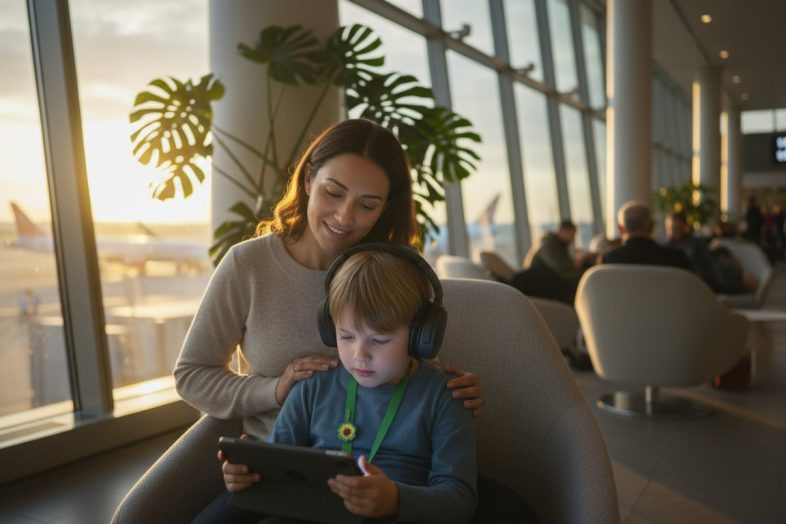
The 2026 Essential Checklist: Travel Tips for a Child with Sensory Processing Disorder
What if the roar of a jet engine or the fluorescent hum of a terminal didn’t have to signal an impending meltdown? You’ve likely spent hours scouring forums, fearing the judgment of fellow passengers or the sudden sensory overload that turns a dream vacation into a stressful ordeal. It’s exhausting to feel like you’re the only one advocating for your child’s peace in a world that feels far too loud. Finding reliable travel tips for child with sensory processing disorder shouldn’t feel like a solo mission.
This 2026 checklist transforms that anxiety into action. We’ll help you master the art of sensory-friendly travel by vetting the entire destination ecosystem, ensuring you find accommodations and services that truly understand your family’s needs. You’ll learn about the latest airport sensory rooms in hubs like Boston Logan and Pittsburgh, the benefits of the Hidden Disabilities Sunflower program, and how our travel booking assistance can streamline your journey. We’re here to help you minimize transitions and maximize joy, so you can focus on making memories instead of just managing the environment.
Key Takeaways
- Use virtual reality hotel walkthroughs and personalized social stories to help your child visualize every step of the journey before leaving home.
- Discover how to leverage the Sunflower Lanyard scheme and terminal-specific apps to find essential travel tips for child with sensory processing disorder during high-stimulus transit.
- Learn to map out a “sensory-safe destination ecosystem” by identifying quiet zones and restaurants with predictable environments near your stay.
- Implement the “one big activity” rule and scheduled low-sensory downtime to maintain emotional regulation and prevent travel burnout for the whole family.
- Access a global community of parents and inclusive businesses through MyWaymore to find real-time, vetted sensory reviews for your next destination.
Phase 1: The Pre-Trip Preparation Checklist
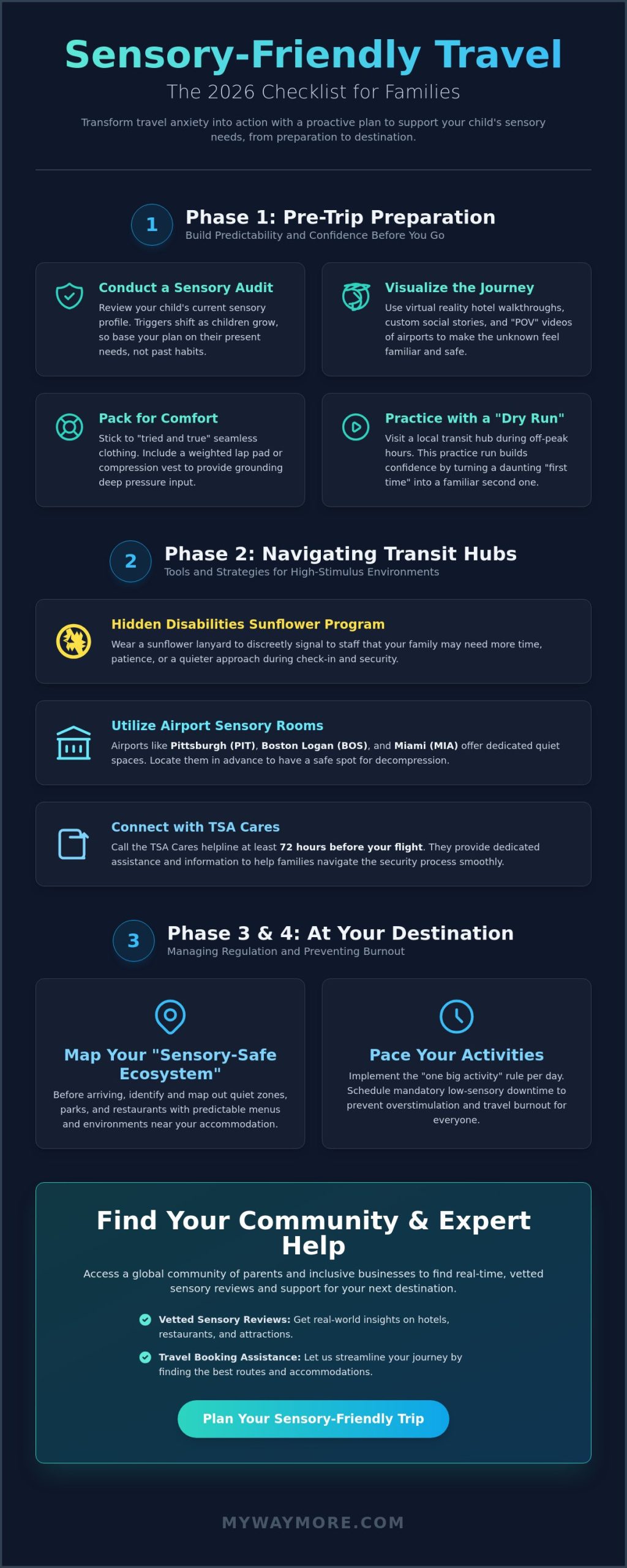
Preparation starts with front-loading predictability. For a child with Sensory Processing Disorder, the unknown is often the primary trigger for emotional dysregulation. Before you start packing, conduct a fresh audit of your child’s current sensory profile. Triggers shift as children grow; a sound that was tolerable six months ago might be overwhelming now. Identify these changes today so your plan reflects their current needs rather than past habits. This proactive step is one of the most effective travel tips for child with sensory processing disorder because it allows you to build a strategy based on reality rather than assumptions.
If your schedule allows, try a “dry run” at a local transit hub. Many regional stations or smaller airports allow families to walk through security or sit in a stationary vehicle during off-peak hours. These experiences turn a frightening first encounter into a manageable second one. This builds a foundation of confidence for both you and your child before the actual travel day arrives.
To better understand how to create a regulated environment before you leave, watch this helpful video on setting up a home sensory space:
Digital Prep and Social Stories
Visualizing the journey helps bridge the gap between the familiar and the new. You can use modern AI tools to generate custom social stories that feature your child’s favorite characters navigating the specific steps of your trip. It makes the abstract concept of travel feel like a personal narrative. Search YouTube for “POV” videos of the specific terminals or train platforms you’ll be using to remove the element of surprise. At MyWaymore Services Corp, our travel booking assistance can help you identify hotels that provide virtual reality walkthroughs. This lets your child “explore” the room layout from the safety of your living room. Don’t forget to update your tablet with sensory-friendly communication apps to provide a reliable voice during moments of high stress.
The Clothing and Comfort Audit
The middle of a busy terminal is the worst time to discover a scratchy seam or a tight waistband. Stick to “tried and true” seamless clothing that your child already finds comforting. Resist the urge to buy new “vacation clothes” unless they have been worn and washed multiple times at home. These familiar textures act as a portable safe zone. Pre-wash all travel outfits in your usual scent-free detergent to ensure the smell of home follows you. These small travel tips for child with sensory processing disorder maintain a baseline of tactile comfort. Finally, ensure your carry-on includes a “heavy” item like a weighted lap pad or a compression vest. These tools provide the deep pressure input many children need to stay grounded when the environment feels too fast or loud.
Phase 2: Navigating Transit and High-Stimulus Hubs
Transit hubs are the ultimate test of sensory resilience. The transition from your carefully curated home environment to a bustling terminal can be jarring. One of the most effective travel tips for child with sensory processing disorder is to register for the Hidden Disabilities Sunflower program. Wearing a sunflower lanyard discreetly signals to airport staff that your family might need a bit more time or a quieter approach. It’s a simple tool that builds a bridge of understanding with the people managing the chaos.
By May 2026, the availability of dedicated sensory rooms has expanded significantly. Airports like Pittsburgh (PIT) with “Presley’s Place” and Boston Logan (BOS) now offer specialized spaces to decompress. You can often book these through terminal-specific apps or check locations in advance. For instance, Miami (MIA) has rooms in Concourse D and the H-J connector. If you feel overwhelmed by the logistics of finding these amenities, our travel booking assistance can help you identify routes through airports with the best support facilities.
Preparation at the federal level is just as vital. Reach out to TSA Cares at least 72 hours before your flight. They provide a dedicated helpline to talk through what to expect at security checkpoints; they can often arrange for a passenger support specialist to assist you on-site. During the actual transit hours, adopt a “low-demand” protocol. This isn’t the time for teaching new skills or enforcing strict rules. Focus entirely on regulation and safety.
Air Travel Strategy
Seating choice is your first line of defense. Request bulk-head seats. This eliminates the risk of your child kicking the seat in front of them and provides extra floor space for a weighted lap pad. These travel tips for child with sensory processing disorder help maintain a physical boundary in a crowded cabin. Pack a “surprise” sensory bag. Fill it with new, textured fidgets or a stretchy noodle that they haven’t seen before. The novelty can provide just enough distraction to bridge a high-stress transition. Noise-canceling headphones are non-negotiable. Pair them with a curated “calm” playlist to create an auditory bubble.
Road Trip Regulation
For ground travel, rhythm is your best friend. Map out “sensory break” stops every 90 minutes at quiet local parks rather than crowded rest stops. Use window shades to mitigate light sensitivity and the rapid visual flicker of passing trees or cars. Keep a portable “cool-down” kit within arm’s reach. Include ice packs for calming proprioceptive input or chewelry for oral motor regulation. These small adjustments ensure the journey doesn’t exhaust your child before you even arrive.
Phase 3: Building Your Sensory-Safe Destination Ecosystem
Once you arrive, the focus shifts from surviving the journey to thriving at your destination. Creating a sensory-safe ecosystem means your child has a predictable refuge when the world becomes overwhelming. Start with your home base. When booking your stay, request a room at the end of a hallway. You want to be far from elevators, ice machines, or vending areas. These high-traffic spots generate unpredictable noise that can disrupt sleep and regulation. If you’re unsure how to communicate these specific needs to a hotel, our travel booking assistance can handle those logistical details for you, ensuring your room is a true sanctuary.
Identify “Safe Zones” within a ten-minute radius of your accommodation. Local libraries, botanical gardens, or quiet suburban parks are excellent options for decompression. These aren’t just stops; they’re essential reset points. If overstimulation peaks, you already know exactly where to go for a low-stimulus environment. This level of planning is one of the most effective travel tips for child with sensory processing disorder because it removes the panic of searching for quiet in a crisis. Having these locations mapped out before you leave the hotel each morning provides a safety net for the entire family.
Vetting Local Businesses
Don’t rely on generic reviews alone. Look for businesses that have earned neurodiverse-friendly certifications or specifically mention inclusive practices in their mission. Community feedback is your most reliable resource. Check for mentions of dim lighting, soft background music, or designated quiet hours. To simplify this process, use a special needs travel directory to find vetted local support. Whether you need a sensory-friendly barber for a quick trim or a dentist who understands neurodivergence, finding these professionals through a community-vetted source ensures you’re meeting people who lead with empathy. This approach supports the local inclusive economy while giving you peace of mind.
Dining and Entertainment
Eating out doesn’t have to be a battle. Call restaurants in advance and ask about “priority seating” in quiet corners or booths away from the kitchen. Most hosts are happy to accommodate if they understand the need for a low-stimulus environment. Ask about “plain food” options or if they’re willing to serve components of a dish separately to avoid sensory “contamination.” For entertainment, check the calendars of local museums or attractions for “sensory-friendly hours.” Many venues now offer early entry with reduced crowds and muted sound effects. To maintain a sense of routine, pack familiar utensils or a favorite cup. These small tokens of home provide a tactile anchor in an unfamiliar setting, making the transition to a new dining environment much smoother.
Phase 4: Managing Regulation on the Go
Successful days away from home aren’t measured by the number of landmarks you visit. They’re measured by your child’s ability to stay regulated. One of the most vital travel tips for child with sensory processing disorder is to implement a “one big activity per day” rule. It’s tempting to pack the schedule, but overstimulation is a cumulative debt that eventually comes due. By limiting high-energy outings to the morning and scheduling at least two hours of low-sensory downtime every afternoon, you give your child’s nervous system the space it needs to reset. This pacing ensures that the trip remains a joy for the whole family rather than a test of endurance.
Think of your child’s capacity as a “Sensory Bucket.” Throughout the day, every loud noise, bright light, or unexpected touch adds a drop to that bucket. You need to monitor it constantly. Is the bucket overflowing, leading to a meltdown? Or is it empty, causing your child to seek out intense, sometimes unsafe, sensory input? Use a visual schedule to help your child predict transitions between these states. Knowing that a quiet hotel break follows a loud museum visit can significantly reduce anticipatory anxiety. Predictability is the best tool for maintaining a calm baseline.
To find local businesses that respect these pacing needs, explore our professional service directory listing to connect with vetted, inclusive spots that prioritize your family’s comfort.
The Sensory First Aid Kit
Your “on-the-go” bag should be a portable regulation station. Include scented dough for calming olfactory input; the familiar smell can ground a child during a sudden spike in environmental stress. Carry “heavy work” tools like resistive bands. These allow for proprioceptive input even in a cramped car or a waiting room. Keep a physical list of “calm-down” prompts that have proven successful at home. When you’re stressed as a parent, having a pre-written script of what to say or do helps you lead with confidence rather than reacting in the moment. These small anchors provide security in an ever-changing environment.
Recovery Strategies
Regulation doesn’t stop when you return to your room. Use Epsom salt baths in the hotel to provide a magnesium boost that can help soothe a taxed nervous system. Ensure the sleeping environment mimics home as closely as possible. Use portable sound machines to drown out hallway noise and bring familiar pillows or blankets to provide a consistent tactile environment. Before bed, practice deep pressure massage or joint compressions to ground your child’s body. This routine signals to the brain that the day’s sensory demands are over and it’s safe to rest. These recovery steps are just as important as the activities themselves, ensuring everyone wakes up ready for the next discovery.
Phase 5: Finding Your Community with MyWaymore Services Corp
The most powerful tool in your travel kit isn’t a physical object; it’s the collective wisdom of parents who have walked this path before you. While the previous phases of this checklist focused on your immediate family’s internal preparation and regulation, Phase 5 connects you to a wider ecosystem of support. Using a dedicated directory allows you to move beyond generic advice and find specific travel tips for child with sensory processing disorder that apply to your exact location. MyWaymore Services Corp functions as a socially conscious navigator, bridging the gap between families and the businesses that truly value inclusion and accessibility.
Our platform isn’t just a list of names; it’s a community-centric hub where discovery meets reliability. You can access a global network of parents sharing real-time sensory reviews that go far beyond what you’ll find on standard travel sites. Whether you’re looking for a barber who specializes in quiet cuts or a healthcare provider who understands neurodiverse needs in a new city, our professional service directory listing provides the vetted recommendations you need. This shift from searching to discovering allows you to plan with a sense of security and ease.
Why Vetted Reviews Matter
Standard travel reviews often miss the nuances that matter to a sensory-sensitive family. A hotel might be “highly rated” for its central location, but that same location could mean constant sirens and street noise. Community reviews on MyWaymore Services Corp help you cut through the marketing fluff. You can search for specific accessibility tags like “dim lighting,” “quiet zones,” or “low-fragrance environments.” This level of detail allows you to build a custom itinerary based on locations that the neurodiverse community has already approved. It turns a gamble into a guaranteed safe space for your child to decompress.
Join the Inclusive Travel Movement
Every time you share a review or suggest a new location, you empower another family to travel with confidence. This collective social contribution elevates a simple business search into a meaningful interaction that supports the local inclusive economy. If you’re a business owner providing these vital services, learning how to list your business on our directory is the first step toward reaching a community that values your intentional approach. By contributing your discoveries, you help turn the world into a more accessible place for everyone. Your journey becomes part of a larger story of growth, confidence, and shared family joy.
Ready to Redefine Family Travel?
You now have a comprehensive blueprint to move from simply managing crises to curating meaningful experiences. By integrating these travel tips for child with sensory processing disorder into your next itinerary, you’re choosing to prioritize your child’s nervous system regulation and your family’s collective peace of mind. Whether it’s utilizing the sensory-safe safe zones we discussed or leaning on the real-time insights of other parents, travel in 2026 is no longer a solo journey into the unknown.
MyWaymore Services Corp was founded in 2021 to empower special needs travel by providing a reliable, global directory of vetted inclusive services. Trusted by thousands of neurodiverse families, we are dedicated to ensuring that your search for the exceptional leads to genuine, stress-free discoveries. It’s time to step out with renewed confidence, knowing that a supportive community and high-quality resources are always within reach. Let’s make your next family trip a true celebration of what’s possible.
Discover Vetted Sensory-Friendly Businesses on MyWaymore Services Corp
Frequently Asked Questions
How do I explain my child’s sensory needs to hotel staff or flight attendants?
Use a printed “sensory accessibility card” to provide staff with a quick, clear explanation of your child’s specific triggers and needs. Instead of long verbal explanations during a busy boarding process, these cards allow flight attendants or hotel hosts to understand the situation at a glance. Be direct about what helps, such as needing a quiet corner or a slower pace during check-in. This reduces the pressure on you and helps the staff provide better support.
What are the best sensory-friendly travel destinations for 2026?
Destinations like Myrtle Beach, South Carolina, and Mesa, Arizona, remain top choices in 2026 due to their extensive “Certified Autism Center” designations. These cities have trained their local businesses and attractions to understand and accommodate neurodiverse travelers. You can also search our directory for emerging inclusive hubs in Europe and Asia that prioritize low-stimulus environments and accessible public spaces. Choosing a destination with a high density of vetted businesses ensures a smoother experience for the whole family.
Can I request a sensory-friendly room at most major hotel chains?
While most major hotel chains don’t yet offer a standardized “sensory room” category, you can request specific accommodations that meet your needs. Ask for a room at the end of a corridor, far from elevators or ice machines, to minimize auditory triggers. Some boutique brands are starting to offer “quiet floors” or rooms with dimmable lighting and weighted blankets. It’s best to check with the specific property during the booking process to confirm these details or use our travel booking assistance for help.
How do I handle a public sensory meltdown while traveling?
Focus entirely on your child’s safety and regulation rather than the reactions of people around you. Move to a “Safe Zone” you identified earlier, like a quiet corner of a park or a low-traffic terminal area. Use your sensory first aid kit prompts to guide them back to a calm state. Remember that you aren’t responsible for the comfort of other travelers; your only priority is helping your child navigate the overwhelming environment. These moments are temporary and don’t define your trip.
Is there a specific “sensory kit” I should buy or should I make my own?
Making your own kit is usually more effective because it allows you to tailor the contents to your child’s specific sensory profile. However, pre-made options like the DeveloPLAY Box, available for $57.95 in 2026, provide a solid foundation with items like weighted lap pads and noise-reducing headphones. You can supplement these with “tried and true” items from home to create the ultimate toolkit. This balance ensures you have both professional-grade tools and familiar comforts that provide a sense of security.
What apps are best for helping a child with SPD during long flights?
Choose apps that focus on open-ended play and low-stimulus visuals to prevent digital burnout. Toca Boca World and Sago Mini are excellent for creative exploration without the high-stress “levels” or loud sound effects found in many games. For older children, apps that offer guided breathing exercises or white noise can be helpful during turbulent moments. Always download content for offline use to ensure these travel tips for child with sensory processing disorder work even without a stable Wi-Fi connection.
How can I find a sensory-friendly hair salon or dentist while on vacation?
Finding specialized services in an unfamiliar city is easiest when you use a community-vetted directory. You can search for local businesses that have earned neurodiverse-friendly certifications or have positive reviews from other families who understand your needs. This allows you to find everything from a barber who understands “no-clippers” rules to a dentist who offers quiet appointments. Accessing these vetted professional service directory listings ensures you won’t have to guess about the quality of care or the environment.
Does travel insurance cover cancellations related to sensory processing issues?
Standard travel insurance rarely covers cancellations specifically for sensory processing issues unless they are part of a documented medical emergency. To protect your investment, look for a “Cancel for Any Reason” (CFAR) policy. This provides the flexibility to postpone your trip if your child is going through a period of high dysregulation. Always read the fine print to understand the reimbursement percentages and notification requirements before purchasing a policy for your next family vacation. It’s a vital step for peace of mind.
Disclaimer
The information provided on MyWaymore Services is for general informational and educational purposes only. While we strive to provide accurate and up-to-date travel and business information, all content is provided in good faith and we make no representation or warranty of any kind, express or implied, regarding the accuracy, adequacy, validity, or completeness of any information on the site.This article may contain affiliate links. If you click on a link and make a purchase or booking, MyWaymore Services may receive a small commission at no additional cost to you. This helps us continue to provide high-quality travel guides and directory services. We only recommend products, hotels (such as RIU or Sandals), and services that we believe add value to our readers.Your use of the site and your reliance on any information provided is solely at your own risk. Always consult with a professional for specific travel, legal, or financial advice.
Recent Comments