Inclusive Adventures at Sesame Place: A 2026 Sensory-Friendly Planning Guide
Inclusive Adventures at Sesame Place: A 2026 Sensory-Friendly Planning Guide
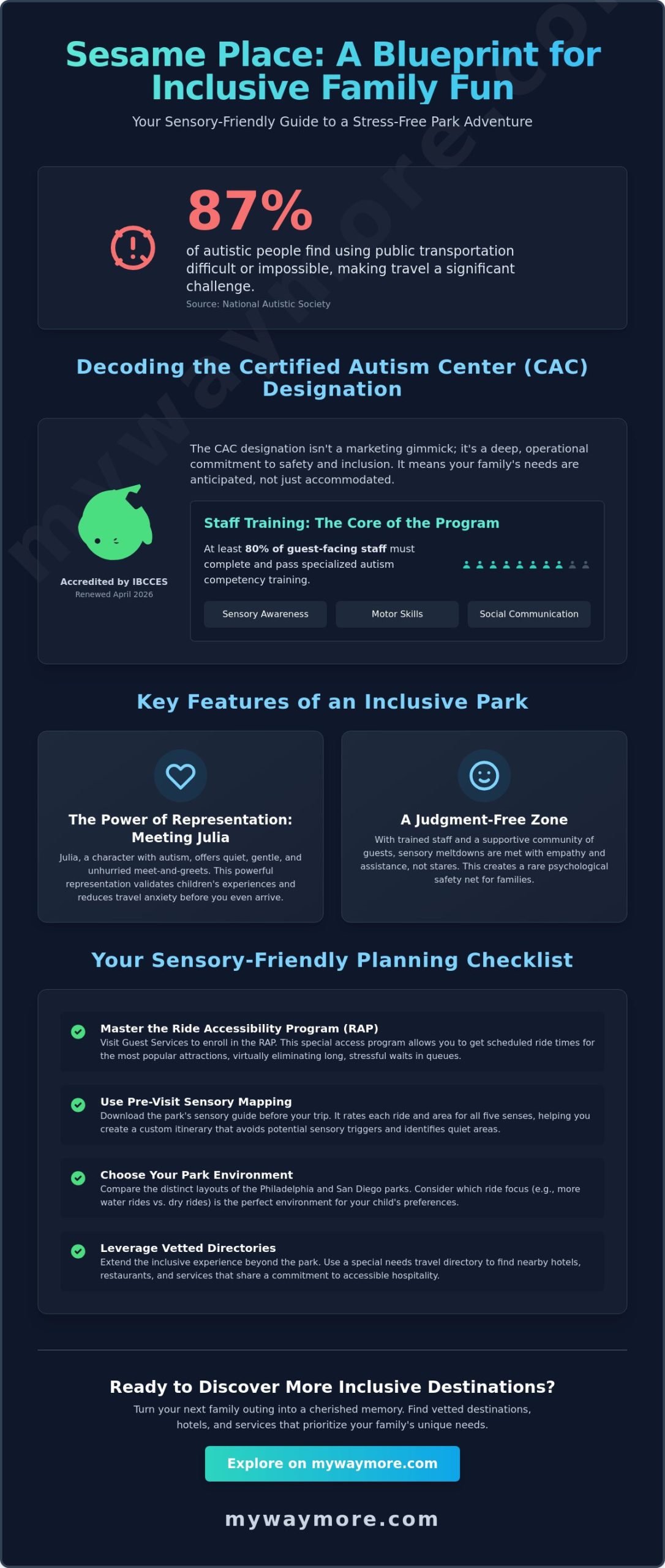
Research from the National Autistic Society indicates that 87% of autistic people find it difficult or even impossible to use public transportation, let alone manage a busy day at Sesame Place. If you’ve ever felt the rising panic of a potential sensory meltdown while standing in a loud queue, you aren’t alone. It’s exhausting to constantly scan for exits or worry if staff will react with judgment instead of empathy. You deserve a vacation where your family’s unique needs aren’t an afterthought, but the primary blueprint for the entire experience.
We’re here to help you find those supportive spaces where discovery feels safe and exciting. You’ll learn how this park sets the global standard for inclusive family travel and how to plan a stress-free visit that empowers your neurodiverse child. This guide provides a detailed sensory roadmap for 2026, breaks down the latest accessibility features, and offers practical tips for a successful day. Whether you’re looking for travel booking assistance or a reliable directory of vetted destinations, we’ll give you the confidence to turn your next outing into a cherished memory.
Key Takeaways
- Understand why the Certified Autism Center (CAC) designation makes Sesame Place a global leader in travel safety and staff empathy.
- Compare the distinct layouts and ride focuses of the Philadelphia and San Diego parks to choose the perfect environment for your child.
- Master the Ride Accessibility Program (RAP) and pre-visit sensory mapping to eliminate long wait times and minimize sensory triggers.
- Leverage community-vetted directory listings to find hotels and local services that share a commitment to inclusive hospitality.
Why Sesame Place is the Global Leader in Inclusive Family Fun
Inclusion isn’t just a checkbox for Sesame Place; it’s the very foundation of the park’s design. While many theme parks add sensory rooms as an afterthought, this destination was built with neurodiversity as a core philosophy. It creates a vital bridge between high-energy excitement and the stillness children often need to recalibrate. This intentional layout ensures that every guest, regardless of their sensory needs, feels like a valued member of the community rather than an exception to the rule.
Familiarity is a powerful tool for neurodiverse families. The “Sesame Street” environment offers a predictable world where the characters are already trusted friends. This significantly reduces the cognitive load on a child. They aren’t just meeting a mascot; they’re visiting Elmo’s neighborhood. Because the environment mirrors the show’s pacing and values, the transition from home to the park feels less like a jarring change and more like a natural extension of their daily lives.
To better understand how these inclusive values translate into real-park experiences, watch this helpful video:
The Power of Representation: Meeting Julia
Seeing Julia, a character with autism, changes the emotional landscape of a family trip. Her presence validates the lived experiences of millions of children. Meet-and-greets with her are specifically designed for sensory comfort. Interactions are quiet, gentle, and unhurried, allowing children to engage at their own pace without the pressure of loud music or sudden movements. This level of representation reduces travel anxiety for parents. It signals that their child is understood and welcomed before they even walk through the gates. It turns a simple photo op into a moment of profound personal empowerment.
A Safe Haven for Families with Special Needs
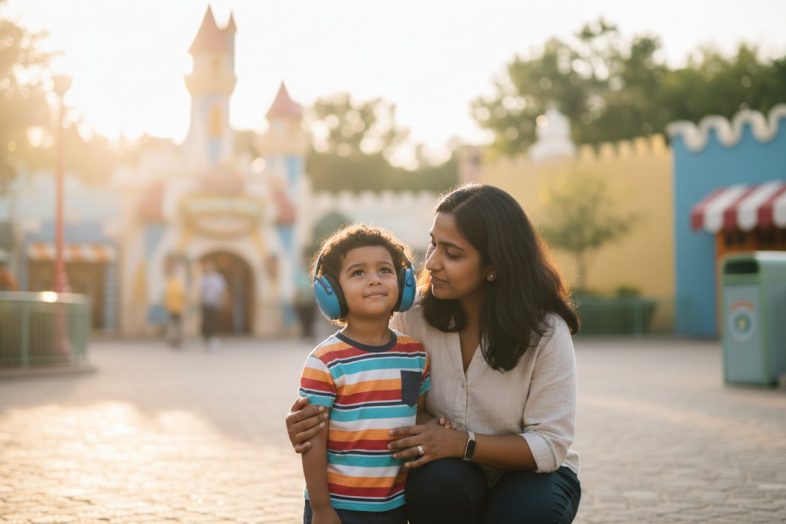
The park has earned a stellar reputation as a judgment-free zone. In a standard, high-decibel theme park, a sensory meltdown can lead to stares or impatient comments from other guests. At sesame place, the community and the staff understand. The environment is designed to be supportive, with staff trained to offer assistance rather than judgment. This creates a psychological safety net that is rare in modern travel. You’ll find that the atmosphere is markedly different from parks that prioritize constant noise and flashing lights. If you’re looking for other locations that prioritize this level of care, using a special needs travel directory can help you find vetted spots that mirror these inclusive values.
Decoding the Certified Autism Center (CAC) Designation
A certification logo can often feel like a marketing gimmick. At sesame place, however, the Certified Autism Center (CAC) designation represents a deep, operational commitment to safety and inclusion. This accreditation is issued by the International Board of Credentialing and Continuing Education Standards (IBCCES), which is recognized globally as the gold standard for autism competency. With the park’s certification renewed in April 2026, families can trust that the standards are current and strictly enforced.
This designation changes how the park functions from the ground up. It isn’t just about the presence of quiet rooms. It affects how food service teams manage dietary restrictions and how ride operators communicate instructions. It transforms the entire guest experience into one where your family’s needs are anticipated. You don’t have to explain your child’s behavior because the environment is already built to support it.
Staff Training: Beyond the Basics
To maintain CAC status, at least 80% of guest-facing staff must complete specialized training. This curriculum covers sensory awareness, motor skills, and social communication. Staff don’t just watch a video; they learn to recognize the subtle signs of sensory overload. When a meltdown occurs, they’re trained to provide dignity and support. They don’t stare or judge. Instead, they might direct you to a quiet room or offer noise-cancelling headphones. This level of empathy is sustained through recurring training sessions that ensure the team remains proficient throughout 2026.
The IBCCES Sensory Guide Explained
The Sensory Guide is your most powerful tool for navigating sesame place. It provides a 1-10 scale for every attraction, ranking them based on five sensory categories: touch, taste, sound, smell, and sight. For example, a ride might rank a 2 for smell but an 8 for sound due to sudden whistles or loud music. These guides empower parents to be their child’s best advocate by allowing them to filter out high-trigger attractions before they even arrive.
Planning these logistics can be overwhelming for any parent. If you need a partner to help manage the details, our travel booking assistance provides a bridge to inclusive experiences that respect your child’s boundaries. Knowing these details in advance allows you to focus on the joy of the day rather than the fear of the unknown.
Sesame Place Philadelphia vs. San Diego: Choosing Your Adventure
Deciding which sesame place to visit depends on your child’s specific sensory profile and your family’s travel style. While both parks share the same commitment to inclusion, their physical environments and regional climates offer very different experiences. One feels like an intimate neighborhood visit, while the other leans into a sprawling, sun-drenched resort atmosphere. It’s about finding the space where your child feels most empowered to explore.
Philadelphia offers a classic theme park feel with a compact layout that minimizes walking distances between attractions. In contrast, San Diego provides an open-air vibe with a heavier emphasis on water-based play. Seasonal events also influence the decision. You might prefer the cozy, festive atmosphere of “A Very Furry Christmas” in Pennsylvania or the high-energy “Sesame Summer Splash” in California. Both locations are surrounded by a high density of professional services and inclusive businesses, making them ideal anchors for an extended family stay.
Philadelphia (Langhorne): The Original Inclusive Destination
The Pennsylvania location is famous for its “Neighborhood” layout. It meticulously recreates the iconic TV show set, providing a sense of immediate comfort and familiarity for young fans. This compact design is excellent for children who struggle with long transitions between rides. One of the highlights is the Sesame Street Party Parade. The park provides designated sensory-friendly viewing areas where the music is lower and the crowd density is managed. Because it’s situated in the Northeast corridor, you’re close to a vast network of special needs friendly resources. You’ll find:
- Inclusive museums in nearby Philadelphia.
- Specialized medical centers and professional therapy services.
- A community of businesses that are well-versed in accessibility.
This location is perfect for families who want a structured, familiar environment with plenty of quiet escape routes.
San Diego (Chula Vista): Water Play and West Coast Sun
If your child finds water play therapeutic, the San Diego park is a standout choice. It features extensive water attractions designed to manage sensory input through various splash zones and quiet pool areas. The California climate allows for year-round outdoor sensory play, which is a major benefit for families looking to avoid the unpredictable weather of the East Coast. Navigating a trip with a neurodiverse family requires extra preparation. Utilizing travel booking assistance can help you secure accessible accommodations and manage the logistics of flying into the region. This allows you to focus on the joy of the West Coast sun rather than the stress of the itinerary. The San Diego location often feels less crowded due to its open-air design, which can be a relief for children who need more personal physical space.
The Sensory-Friendly Planning Checklist for Families
Preparation turns a stressful outing into a successful adventure. While the park provides the infrastructure, your family’s specific strategy ensures you make the most of every moment. Follow this checklist to build a day that respects your child’s boundaries while maximizing their joy at sesame place.
- Map your route: Download the sensory guide and highlight “Low Sensory Zones” before you leave home.
- Prioritize access: Secure your Ride Accessibility Program (RAP) pass as your first stop upon entry.
- Pack with purpose: Bring a dedicated “Sensory Kit” featuring noise-canceling headphones, tactile fidgets, and familiar snacks to provide comfort during transitions.
- Be proactive: Schedule “Quiet Room” breaks every two to three hours, even if your child seems regulated.
- Stay updated: Use the official mobile app to monitor crowd levels and wait times in real-time.
Navigating the Ride Accessibility Program (RAP)
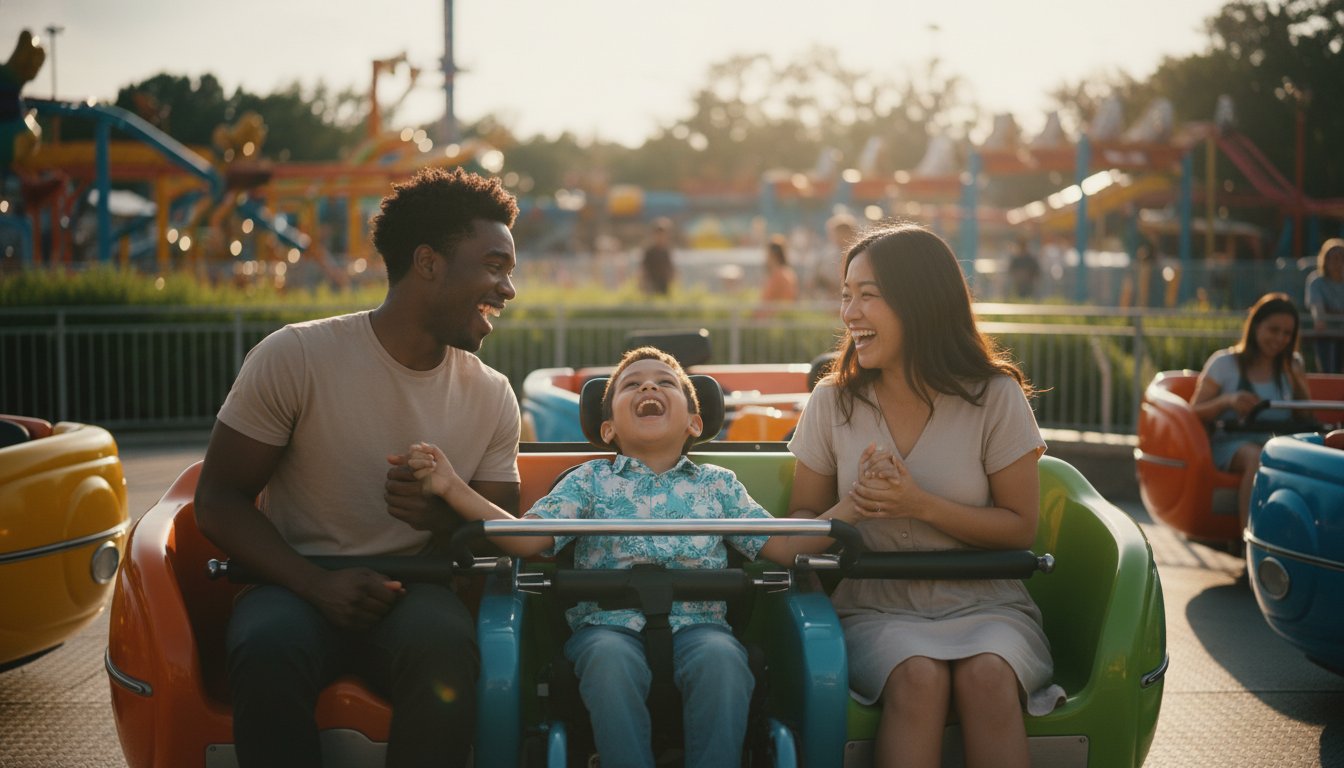
Enrolling in the RAP is a straightforward process at Guest Relations. You’ll complete a brief questionnaire to help staff understand your child’s specific needs. The system uses a “virtual queue” which is a total game-changer. Instead of standing in a physical line, you receive a return time. This allows your child to explore a quiet area or play elsewhere until it’s their turn. If you’re traveling with a larger group, ensure everyone is linked to the pass so the family stays together. It removes the frustration of stationary waiting and keeps the momentum positive.
Strategic Dining and Quiet Spaces
Timing is everything when it comes to food. Aim to eat early at 11:00 AM or late at 2:00 PM to avoid the peak lunchtime sensory rush. This reduces noise levels and wait times significantly. If the stimulation becomes too much, head to the specialized Quiet Rooms. These spaces feature dimmable lights and soft seating, providing a true sanctuary. Beyond the park, it’s wise to vet accessible salons and healthcare in the local area. Having these resources mapped out provides an extra layer of security for your stay. For those who want help managing these logistics, our travel booking assistance can help you find hotels and services that align with your family’s specific accessibility requirements.
Discovering More Inclusive Destinations with MyWaymore
Your day at sesame place shouldn’t be the only part of your trip that feels safe and inclusive. A successful vacation is built on a series of small, positive interactions across your entire itinerary. This is where the MyWaymore community becomes your most valuable resource. We operate on a “Double Checked” philosophy. It means we don’t just rely on marketing claims; we prioritize real-world feedback from families who’ve actually navigated these spaces with neurodiverse children. Community reviews are essential because they capture the nuances that a standard hotel description might miss, such as the actual volume of a lobby or the patience of a breakfast server.
Finding hidden gems shouldn’t feel like a full-time job. Our platform connects you with a global network of travelers who’re eager to share their curated discoveries. When one family finds a quiet, sensory-friendly cafe near the park, the entire community benefits. It turns a simple business transaction into a collective social contribution. By highlighting these inclusive spots, we help redirect the local economy toward businesses that truly value diversity and intentional consumerism. This creates a ripple effect of empowerment for both the traveler and the inclusive business owner.
Beyond the Park: Building an Inclusive Itinerary
Whether you’re visiting the Philadelphia area or the West Coast, your choice of accommodation sets the tone for the trip. You can use our directory to find autism-friendly hotels specifically located near Langhorne or Chula Vista. Look for businesses with a “Featured Placement” status. These are partners who’ve demonstrated a heightened commitment to accessibility and inclusive hospitality. A professional directory listing ensures quality and trust by providing verified information that helps you avoid the “sensory surprises” that often derail a trip. This reliability gives you the peace of mind to focus on making memories rather than managing crises.
Join the MyWaymore Community
You have a unique voice that can empower the next family. Joining our community-centric platform isn’t just about accessing information; it’s about being a supportive partner for others. When you share your sesame place stories, you provide the logistical details and emotional reassurance that another parent is searching for right now. Did you find a particularly quiet corner for a snack? Was there a specific staff member who went above and beyond? Your reviews help build a more inclusive world for everyone. Explore our special needs travel directory today to find your next destination and start contributing to our collective map of accessible adventures.
Empowering Your Family’s Next Great Discovery
Planning a trip for a neurodiverse family doesn’t have to be a source of anxiety. By utilizing the Ride Accessibility Program and trusting in the rigorous staff training required for the Certified Autism Center designation, you can create a day filled with joy instead of stress. You’ve learned how to navigate sensory guides and choose the sesame place location that best fits your child’s needs. These tools are designed to put the control back in your hands. This allows you to focus on the smiles rather than the logistics.
Since 2021, we’ve been dedicated to inclusive travel advocacy through our specialized directory for neurodiverse families. You can find your next inclusive adventure on the MyWaymore Special Needs Travel Directory, where community-vetted reviews help you discover businesses that truly understand your family’s journey. Your family deserves to explore the world with confidence and support. We’re here to help you find those welcoming spaces where every child is celebrated for exactly who they are.
Frequently Asked Questions
Is Sesame Place autism friendly?
Yes, it is the first theme park in the world to be designated as a Certified Autism Center (CAC) by the IBCCES. This means that at least 80% of the guest-facing staff have completed specialized training in autism and sensory awareness. Beyond the trained team, sesame place provides sensory guides for every attraction and dedicated quiet spaces to ensure a supportive environment for neurodiverse families.
What is the difference between Sesame Place Philadelphia and San Diego?
The Philadelphia location features a compact, “neighborhood” layout that closely mimics the TV show set, which is excellent for children who prefer familiar, close-knit environments. In contrast, the San Diego park offers a more open-air, resort-style feel with a significant focus on water attractions. While Philadelphia experiences seasonal changes, the California climate allows for year-round outdoor sensory play in the splash zones.
Are there quiet rooms at Sesame Place?
Yes, both park locations offer dedicated Quiet Rooms equipped with dimmable lighting and comfortable seating. These rooms provide a necessary sanctuary for children who need to decompress away from the park’s music, crowds, and bright lights. You can also find designated low-sensory areas throughout the park, which are perfect for watching parades with less intense auditory stimulation.
Can I bring my own food into Sesame Place for dietary restrictions?
Yes, the park allows guests with specific dietary needs or allergies to bring their own food into the park. This is a vital policy for families managing sensory-related food preferences or strict medical diets. Simply inform the security team at the entrance about your child’s requirements to ensure a smooth and respectful entry process for your entire family.
How does the Ride Accessibility Program (RAP) work?
The RAP is designed to help guests who have difficulty waiting in traditional queues by using a virtual waitlist. Once you enroll at Guest Relations, you’ll receive a return time for specific attractions based on the current wait. This allows your child to spend that time in a quieter area or a playground rather than standing in a crowded, stationary line.
Is Sesame Place suitable for older children with special needs?
While the theme is centered on the preschool world of Sesame Street, many older neurodiverse children find the predictability and familiar characters deeply comforting. The accessibility programs and staff empathy apply to guests of all ages. It remains a safe, judgment-free haven for any child or teen who connects with the show’s message of kindness and inclusion.
What should I pack in a sensory kit for a day at the park?
A well-prepared sensory kit should include noise-canceling headphones to manage loud music and tactile fidgets for grounding during transitions. Don’t forget to pack familiar snacks to maintain your child’s routine and a visual schedule to help them anticipate upcoming activities. These items act as a portable safety net, helping your child feel secure while exploring the vibrant world of sesame place.
Are the characters at Sesame Place trained to interact with neurodiverse children?
Yes, character performers receive specialized training to ensure all interactions are gentle, unhurried, and respectful of personal space. They are taught to follow the child’s lead, which is especially important during meet-and-greets with Julia. This training helps prevent overstimulation and ensures that every interaction is a positive, empowering experience that honors your child’s unique boundaries.
Disclaimer
The information provided on MyWaymore Services is for general informational and educational purposes only. While we strive to provide accurate and up-to-date travel and business information, all content is provided in good faith and we make no representation or warranty of any kind, express or implied, regarding the accuracy, adequacy, validity, or completeness of any information on the site.This article may contain affiliate links. If you click on a link and make a purchase or booking, MyWaymore Services may receive a small commission at no additional cost to you. This helps us continue to provide high-quality travel guides and directory services. We only recommend products, hotels (such as RIU or Sandals), and services that we believe add value to our readers.Your use of the site and your reliance on any information provided is solely at your own risk. Always consult with a professional for specific travel, legal, or financial advice.
Recent Comments