Best Theme Parks for Special Needs Families: 2026 Global Guide
Best Theme Parks for Special Needs Families: 2026 Global Guide
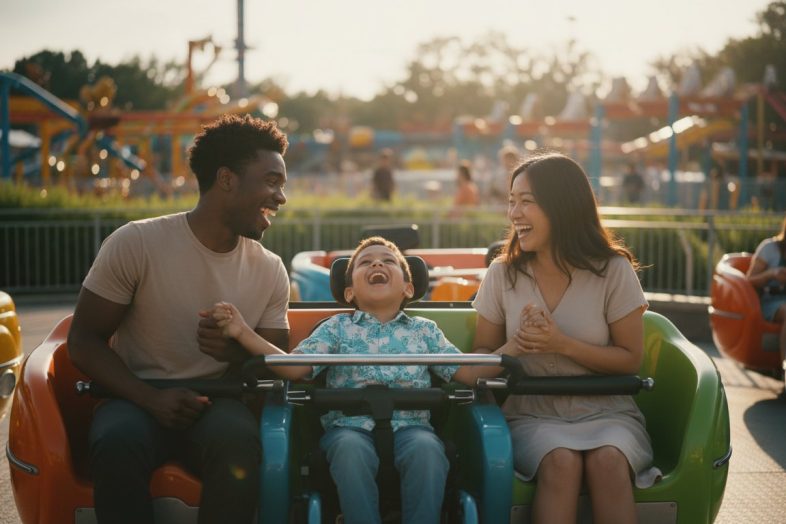
According to the CDC, developmental disabilities affect 8.6% of children in the U.S., yet finding a vacation spot that truly understands your child’s needs shouldn’t feel like a full-time job. You want your family to experience the joy of a roller coaster or a character meet-and-greet without the crushing weight of sensory triggers or endless wait times. We know that the “standard” family vacation often feels anything but inclusive when you’re managing accessibility hurdles. This is why we’ve curated a list of the best theme parks for special needs families for 2026, ensuring your next trip is defined by smiles rather than stress.
Planning a trip in 2026 requires a fresh look at the landscape, especially as major parks shift toward virtual pre-registration and stricter eligibility for programs like Disney’s DAS. You’ll discover how the world’s most inclusive destinations are using “Universal Design” to make every guest an equal participant. This guide walks you through the latest accessibility tech, community-vetted reviews, and the parks that have earned the prestigious Certified Autism Center designation. From free admission for guests with disabilities at Morgan’s Wonderland to the newest virtual queue systems at SeaWorld, you’re about to find the peace of mind you deserve. If you need a hand with the details, our travel booking assistance is here to help you organize these discoveries with confidence.
Key Takeaways
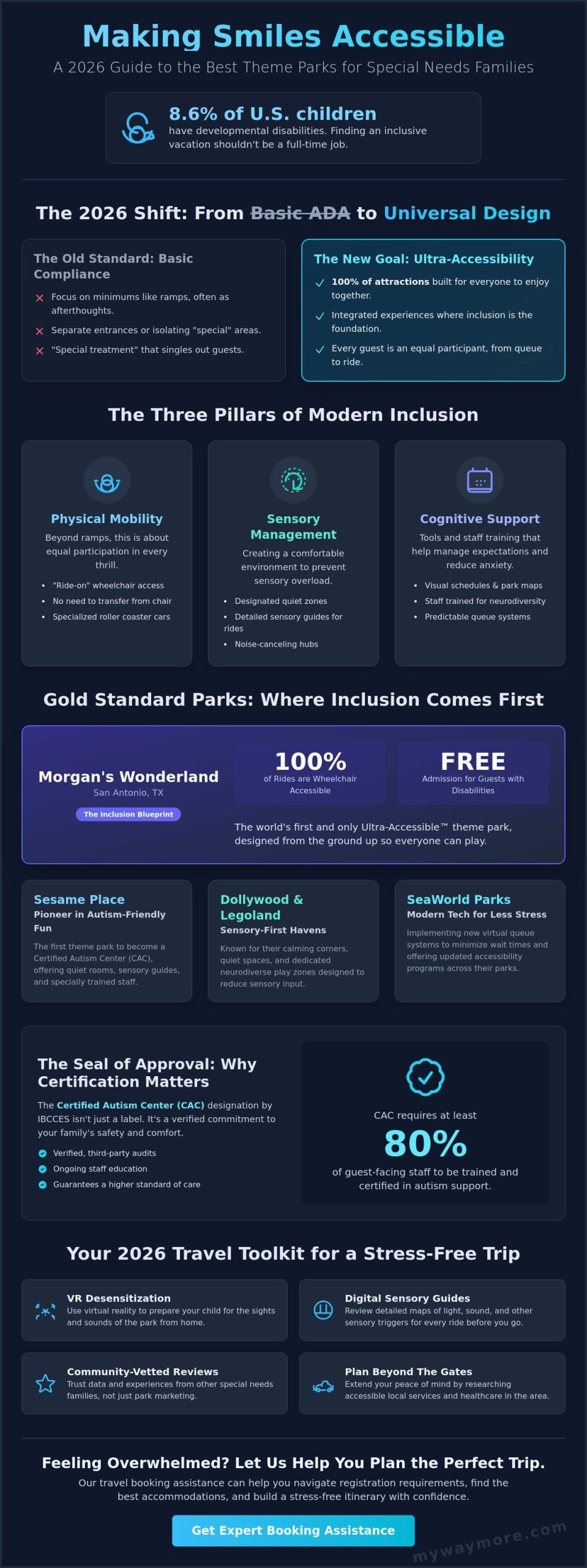
- Understand the shift from basic ramps to Universal Design, where 100% of attractions are built for everyone to enjoy together.
- Discover the world’s most inclusive destinations in our guide to the best theme parks for special needs families, highlighting pioneers like Sesame Place and Morgan’s Wonderland.
- Learn how to utilize 2026 technology, such as VR desensitization and digital sensory guides, to prepare your child for a stress-free experience.
- Explore the benefits of sensory-first environments like Dollywood and Legoland that offer specialized quiet spaces and neurodiverse play zones.
- Gain peace of mind by extending your planning beyond the park gates to include community-vetted accessible local services and healthcare.
Beyond ADA: Defining Ultra-Accessibility in 2026
In 2026, the standard for a great vacation has evolved. We aren’t just looking for a ramp at the entrance anymore. Ultra-Accessibility means every single attraction is designed so every guest is an equal participant. This concept moves beyond the legal minimums of the Americans with Disabilities Act (ADA) to embrace Universal Design. It’s a philosophy where inclusion isn’t an afterthought; it’s the foundation of the blueprints. This transformation is a cornerstone of the Accessible Tourism movement, ensuring that the best theme parks for special needs families provide more than just entry, they provide belonging.
To better understand how this vision of a 100% inclusive environment looks in practice, watch this story about the creation of a pioneering park:
Trust in 2026 comes from real people, not shiny brochures. Families now rely on community-vetted data and reviews from those who have lived the experience. While a park might claim to be accessible, our directory listings help you find the ones that actually deliver on those promises. We focus on parks that have moved away from “special treatment” and toward integrated experiences where no one has to use a side entrance or wait in a separate, isolating area. This shift toward transparency means you can plan with confidence, knowing exactly what to expect before you even leave your driveway.
The Three Pillars of Modern Park Inclusion
Modern inclusion stands on three specific legs. First is Physical Mobility. This means moving beyond ramps to “ride-on” wheelchair access, where guests don’t have to transfer out of their chairs to experience the thrill. In 2026, leading parks are even designing roller coasters with specialized cars that accommodate power chairs. Second is Sensory Management. The best theme parks for special needs families now feature quiet zones, noise-canceling hubs, and detailed sensory guides that map out light and sound levels for every ride. Finally, Cognitive Support is essential. This includes visual schedules and staff members specifically trained to support neurodiverse guests, helping to prevent the distress that often comes with long waits or unexpected changes.
Why Certification Matters More Than Ever
How do you know a park is truly prepared? Look for the Certified Autism Center (CAC) designation provided by IBCCES. By 2026 standards, this certification requires at least 80% of the staff to be trained and certified in autism. This isn’t just a sticker on the window. It involves rigorous third-party audits and a commitment to ongoing education. When a park invests in this level of training, they are telling your family that they value your presence. It’s about safety, verification, and the ease of use that allows you to focus on making memories. If you’re feeling overwhelmed by the technicalities of these programs, our travel booking assistance can help you navigate the registration requirements for these top-tier destinations.
The Global Leaders: Gold Standard Inclusive Parks
True inclusion isn’t just a regional effort; it’s a global movement. As highlighted in recent Visitor Attractions Industry Trends, the industry is finally prioritizing the diverse needs of every guest as a core business value. While many locations are slowly catching up, a handful of destinations represent the gold standard for the best theme parks for special needs families. These parks don’t just follow the rules. They create new ones that empower every child to play without limits, ensuring that the “vacation of a lifetime” is accessible to everyone.
Morgan’s Wonderland: The Inclusion Blueprint
Morgan’s Wonderland in San Antonio remains the world’s only theme park where 100% of the rides are wheelchair accessible. It’s the ultimate example of the best theme parks for special needs families because it removes every barrier to entry. For example, the Whirling Wonder Ferris Wheel features specially designed carriages that allow guests to remain in their wheelchairs while they soar. Beyond the dry park, Morgan’s Inspiration Island stands as the world’s first ultra-accessible water park, providing waterproof power chairs for guest use. In 2026, admission for individuals with disabilities remains free, reflecting their non-profit mission to foster community. Their MAC (Multi-Assistance Center) model further supports families by providing a holistic approach to care and navigation even after the park gates close.
Disney and Universal: Scaling Inclusion for Millions
Disney and Universal have transformed their massive operations to handle accessibility at scale. By May 2026, Disney’s Disability Access Service (DAS) has fully evolved into a virtual-first system. Guests must now register via a live video chat with a Cast Member between 2 and 30 days before their visit. This process focuses specifically on guests with developmental or cognitive disabilities, such as autism, who find traditional queues difficult. Once in the park, real-time app integration allows families to book return times for attractions, effectively removing the distress of physical waiting. Both Orlando and Paris locations now feature dedicated sensory break rooms and “quiet location” maps. These spaces provide a necessary refuge from the high-energy environment of the parks. Staff training initiatives have also expanded, with employees now better equipped to recognize and support neurodiverse guests through every interaction.
Other leaders include Sesame Place, the world’s first theme park to be designated as a Certified Autism Center, and Peppa Pig Theme Park. The latter was designed specifically for preschoolers, featuring “all-access” ride vehicles and sensory guides for every attraction. If you’re ready to start your journey, our travel booking assistance can help you navigate these specialized programs with ease. These destinations prove that with the right design and a commitment to staff training, the world of theme parks can truly be for everyone.
Sensory-First Destinations: Best Parks for Neurodiversity
While physical accessibility is vital, the best theme parks for special needs families are often defined by how they manage the invisible challenges of sensory processing. For a child with autism or sensory processing disorder, a loud speaker or a sudden burst of water can turn a fun afternoon into a moment of distress. Fortunately, several parks have led the way in creating sensory-friendly environments that prioritize calm alongside the thrills. These destinations don’t just offer rides; they provide a predictable, supportive structure that empowers families to explore at their own pace. By focusing on sensory management, these parks ensure that neurodiverse guests aren’t just tolerated, but are truly invited to the party.
Legoland’s Sensory Guides and Quiet Rooms
Legoland Resorts are uniquely suited for neurodiverse play because the entire park is built around a familiar, tactile medium: the Lego brick. Beyond the building zones, the park uses a sophisticated sensory guide system. Every attraction is rated on a scale of 1 to 10 for sound, light, and movement, allowing parents to make informed decisions before joining a queue. To further reduce stress, Legoland offers an Assisted Access Pass. This pass allows the guest and up to five party members to receive a return time for rides, eliminating the need to stand in a traditional line. If the stimulation becomes too much, dedicated quiet rooms provide a low-light space to decompress before heading back to the interactive building zones. It’s a thoughtful approach that recognizes how important it is to have a “home base” during a busy day.
Dollywood’s Commitment to Calm
Dollywood has set a high bar for inclusive hospitality in the Great Smoky Mountains. They were the first theme park to open a dedicated Calming Room, a space specifically designed with input from autism experts. Inside, you’ll find weighted blankets, fiber-optic lights, and soft seating to help guests regulate their sensory systems. This commitment stems from Dolly Parton’s “Dreamer” philosophy, which encourages an inclusive hiring process and a culture of genuine kindness. The park’s natural setting also provides built-in quiet areas; the shaded paths and mountain air offer a natural reprieve that massive concrete parks often lack. It’s about creating a sanctuary where families can reset without having to leave the park entirely.
SeaWorld Orlando and Discovery Cove also stand out as Certified Autism Centers, meaning at least 80% of their staff is trained to support neurodiverse guests. At Discovery Cove, the pace is naturally slower, and the animal interactions can be incredibly therapeutic for children who respond well to nature. Even indoor parks like Nickelodeon Universe have made strides by managing lighting and temperature in a way that outdoor parks cannot, providing a consistent environment regardless of the weather. When you use a professional service directory listing to find these community-vetted destinations, you’re choosing a path that leads to peace of mind. Every family deserves a vacation where they feel seen and supported, and these sensory-first parks are making that a reality in 2026.
The 2026 Special Needs Travel Toolkit: Planning for Success
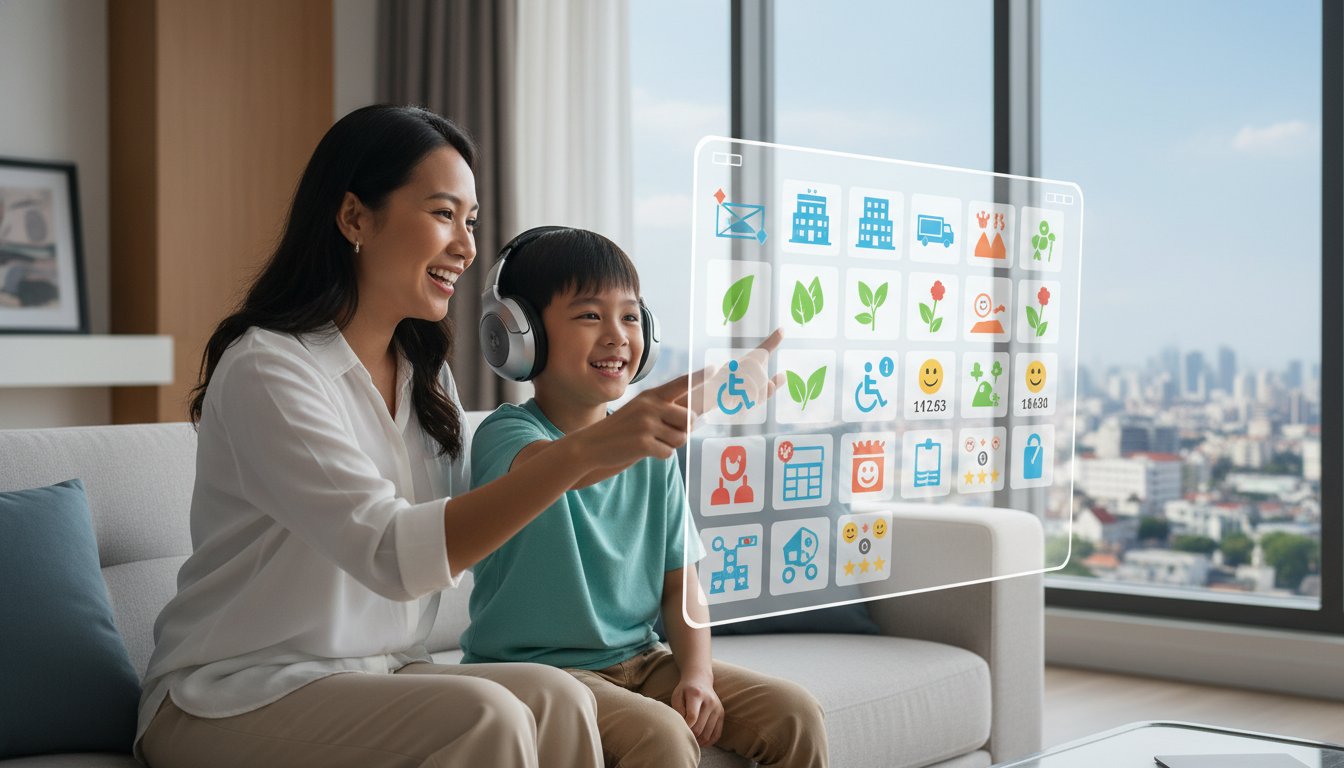
Success at the best theme parks for special needs families starts long before you scan your ticket at the gate. In 2026, technology has turned the “hope for the best” approach into a precise science. Families now use high-definition 360-degree videos and VR headsets to desensitize children to the sights and sounds of specific rides. This pre-trip exposure helps reduce the fear of the unknown that often triggers distress. Beyond the tech, your physical toolkit remains vital. Leveraging community reviews is a game-changer for finding “hidden” quiet spots, such as a shaded garden behind a specific attraction, which aren’t always marked on official brochures. These real-world insights provide the peace of mind that comes from knowing exactly where to go when your child needs a break.
Managing the “must-haves” for a long day out requires careful organization. Consider packing these essentials to handle sensory and medical needs:
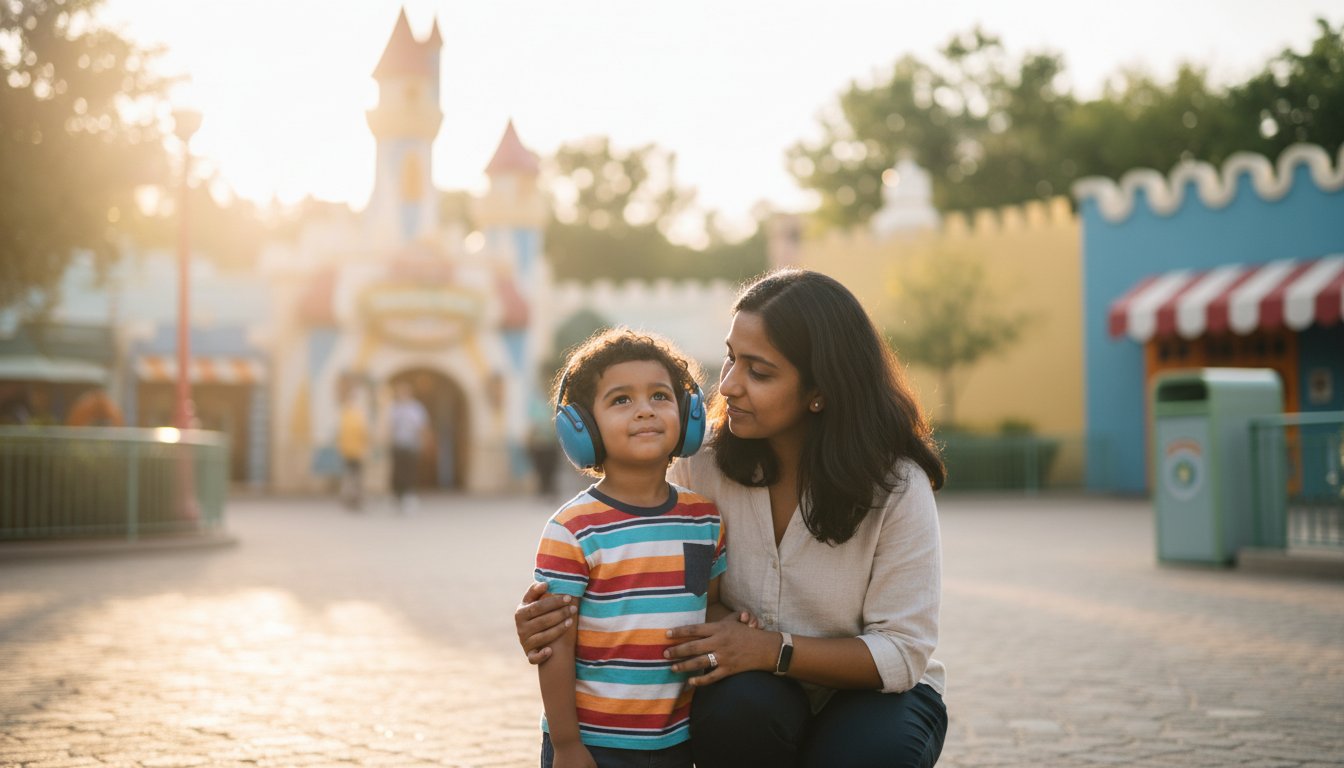
- Noise-canceling headphones to dampen sudden loud music or crowd noise.
- Sensory fidgets or “chewies” to provide comfort during transitions.
- Personal cooling fans to prevent heat-related irritability.
- A printed visual schedule to help your child anticipate what happens next.
- Verified medical documentation for quick access to park assistance programs.
Digital Pre-Visits and Virtual Queuing
Park apps have evolved into essential companions for every family. By 2026, most major apps include real-time sensory data, letting you preview which zones are currently high-decibel or crowded. Virtual queuing is no longer just for disability programs; it’s a standard tool to prevent the wait-time meltdown. By securing a return time on your phone, you can spend the interim in a low-stimulation area rather than a cramped, noisy line. Mobile ordering is another secret weapon. It allows you to skip the echoing, chaotic cafeteria lines and pick up your meal at a designated, quieter window, keeping the sensory load manageable.
Finding Vetted Resources on the Go
The logistics of a trip can be overwhelming, which is why specialized travel booking assistance is so valuable. These experts understand the nuances of accessible travel, from finding hotels with roll-in showers to identifying those with sensory-friendly lighting. When you’re on the ground, using a special needs travel directory helps you verify park claims in real-time. You can quickly cross-reference a park’s accessibility statement with reviews from other families in our community. This ensures the “inclusive” playground actually has the equipment your child needs. To make your planning even smoother, browse our premium business listings to find vetted local services that cater to your family’s specific requirements. Using a professional service directory listing ensures you are connecting with businesses that truly value your family’s experience.
Empowering Your Journey: Beyond the Theme Park Gates
A truly inclusive vacation doesn’t stop when you walk through the exit turnstiles. For many families, the “vacation bubble” must extend to every meal, haircut, and medical check-in during the trip. Even the best theme parks for special needs families can’t provide a stress-free experience if the surrounding local infrastructure fails to meet your requirements. We believe that empowerment comes from a complete ecosystem of support. This means finding local entrepreneurs who have intentionally designed their businesses to be welcoming and accessible to everyone. When you step outside the park, you shouldn’t have to leave your peace of mind behind.
The Full-Service Vacation Ecosystem
Planning a successful trip requires more than just ride tickets; it requires accessible restaurants and shopping districts that don’t overwhelm the senses. Imagine needing a quick haircut or a pediatric check-up while away from home. Finding a sensory-friendly salon that understands how to work with neurodiverse children can be the difference between a minor detour and a major meltdown. MyWaymore Services Corp focuses on highlighting diverse business ownership, giving you access to vetted professional services that share our values of inclusion. By using “Double Checked” reviews from our community, you can verify that a local service meets your specific requirements before you arrive. This community-centric discovery allows families to explore new cities with the same confidence they feel inside the park gates. It’s about supporting a local economy that supports you in return.
Join the MyWaymore Services Corp Community
We aren’t just a directory; we’re a supportive partner for your family’s growth and confidence. We encourage you to share your own discoveries of inclusive gems you find during your travels. Your voice helps other families find the best theme parks for special needs families and the local services that make those trips possible. If you are an entrepreneur providing specialized care or accessible experiences, you can list your business on travel directory to connect with a community that values intentional consumerism. Whether you’re looking for a featured business placement to stand out or simply want to contribute to the collective social good, your participation matters. MyWaymore Services Corp is here to make specialized services feel more accessible through vetted recommendations. Let’s work together to ensure that every part of your 2026 travel experience is as inclusive and joyful as the destination itself.
Your Path to a Stress-Free Family Adventure
The landscape of travel has truly transformed. In 2026, the best theme parks for special needs families are those that embrace universal design and provide the digital tools necessary to eliminate the fear of the unknown. We’ve moved from simple ADA compliance to a world where 100% inclusion is the gold standard. By leveraging virtual previews and community-vetted insights, you can reclaim the joy of vacationing without the weight of sensory triggers or unexpected hurdles.
Since 2021, MyWaymore Services Corp has been empowering neurodiverse travelers by building a global directory of accessible services. You don’t have to navigate these logistics alone. Whether you need a sensory-friendly hotel or a local professional who understands your family’s unique needs, our platform acts as your trusted advisor. Our community-vetted reviews ensure you find businesses that align with your values and requirements. Discover Vetted Inclusive Services on MyWaymore Services Corp and start planning with confidence. Your family deserves to feel like an equal participant in every discovery. Take the first step toward your next stress-free getaway today.
Frequently Asked Questions
What is the most accessible theme park in the world?
Morgan’s Wonderland in San Antonio is widely considered the most accessible theme park globally. It was designed from the ground up to be “Ultra-Accessible,” meaning every single attraction is inclusive for all guests. Individuals with disabilities receive free admission, which removes financial barriers while providing a space where everyone can play together. This non-profit destination sets the blueprint for how inclusive design should function in the modern era.
How do I get a disability pass for Disney World in 2026?
You must register for the Disability Access Service (DAS) via a live video chat with a Cast Member between 2 and 30 days before your visit. In-person registration at the parks is no longer available in 2026. This program is specifically for guests with developmental or cognitive disabilities, like autism, who cannot wait in a conventional queue. Once approved, the DAS is valid for up to 120 days.
What does it mean for a theme park to be a Certified Autism Center?
A Certified Autism Center (CAC) designation from IBCCES means that at least 80% of the park’s staff has undergone specialized training and certification in autism. This ensures that employees can better support neurodiverse guests throughout their visit. These parks also provide sensory guides for every ride and designated quiet spaces, making them some of the best theme parks for special needs families seeking a predictable and supportive environment.
Are there quiet rooms in major theme parks?
Yes, most major parks now offer dedicated quiet rooms or calming centers to help guests manage sensory overload. Dollywood features a specialized Calming Room with weighted blankets and fiber-optic lights, while Disney and Universal provide maps highlighting “quiet locations” throughout their properties. These spaces offer a vital refuge for families to decompress without needing to leave the park entirely, allowing everyone to reset and continue their day with confidence.
Can I bring my own sensory equipment into the park?
You are absolutely allowed to bring personal sensory equipment like noise-canceling headphones, fidget tools, and cooling fans into theme parks. Most security checkpoints recognize these as medical or developmental necessities. It’s helpful to keep these items in a clear bag for faster inspection. Carrying your own gear ensures your child has familiar comfort items readily available during loud shows or crowded transitions, providing an extra layer of security.
How do I find accessible hotels near these theme parks?
You can find vetted, accessible accommodations by using a professional service directory listing or our specialized travel booking assistance. These resources highlight hotels with specific features like roll-in showers, sensory-friendly lighting, and proximity to park transportation. Relying on community-vetted reviews helps you avoid the “accessibility gaps” that often appear in standard booking sites, ensuring your hotel is just as inclusive and welcoming as the theme park itself.
What is the “Blue Card” at Legoland?
The “Blue Card” is part of Legoland’s Assisted Access Pass system designed for guests who find it difficult to wait in traditional lines. You can obtain this pass at Guest Services upon arrival. It allows the cardholder and up to five companions to receive a return time for attractions based on current wait times. This system helps manage the best theme parks for special needs families by reducing the stress and physical toll of long queues.
Are there theme parks with 100% wheelchair-accessible rides?
Morgan’s Wonderland is the only park in the world where every single ride is 100% wheelchair accessible. This includes their Ferris wheel and the off-road adventure ride, which feature specialized carriages for power chairs. While other parks, such as Peppa Pig Theme Park, offer “all-access” ride vehicles for certain attractions, Morgan’s remains the industry leader in ensuring no guest ever has to transfer out of their wheelchair to participate in the fun.
Disclaimer
The information provided on MyWaymore Services is for general informational and educational purposes only. While we strive to provide accurate and up-to-date travel and business information, all content is provided in good faith and we make no representation or warranty of any kind, express or implied, regarding the accuracy, adequacy, validity, or completeness of any information on the site.This article may contain affiliate links. If you click on a link and make a purchase or booking, MyWaymore Services may receive a small commission at no additional cost to you. This helps us continue to provide high-quality travel guides and directory services. We only recommend products, hotels (such as RIU or Sandals), and services that we believe add value to our readers.Your use of the site and your reliance on any information provided is solely at your own risk. Always consult with a professional for specific travel, legal, or financial advice.
Recent Comments