
Low-Sensory Activities for Kids on Vacation: A 2026 Guide for Neurodiverse Families
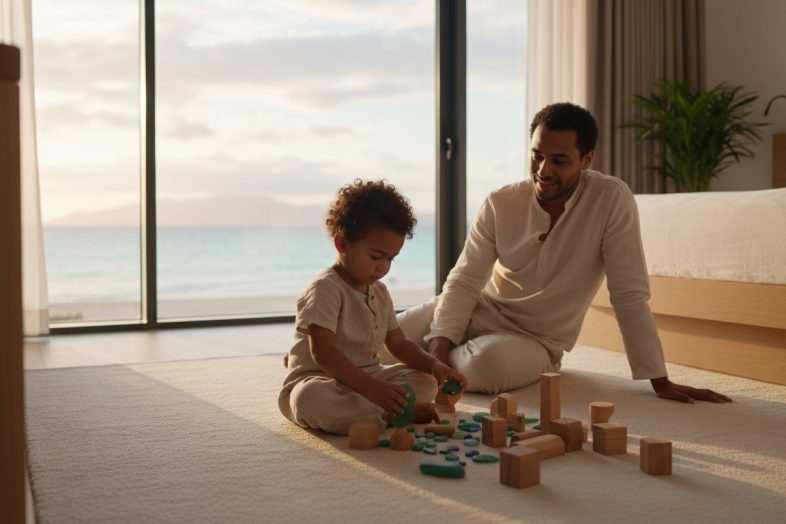
Low-Sensory Activities for Kids on Vacation: A 2026 Guide for Neurodiverse Families
Imagine standing in the middle of a bustling summer festival, watching your child’s eyes widen as the noise and lights become a tidal wave. You’ve planned this trip for months, yet the familiar tightening in your chest says a meltdown is imminent and your vacation might end before lunch. It’s a heavy feeling, especially when you worry that siblings are missing out or that your family just isn’t built for travel. But what if you could change the rhythm of your trip? Integrating low-sensory activities for kids on vacation isn’t about skipping the fun. It’s about creating intentional “sensory anchor points” that allow your child to reset and recharge in any environment.
At MyWaymore Services Corp, we believe every family deserves the joy of discovery without the weight of constant overstimulation. This guide provides the tools you need to balance high-energy excitement with calming, portable routines that prevent burnout for everyone involved. We’ll explore a curated list of travel-ready activities, highlight the growth of Certified Autism Centers, and provide a practical framework to ensure your next trip feels like a true getaway. You’ll gain the confidence to book your next adventure knowing you have a plan for peace and a community of support behind you.
Key Takeaways
- Understand how the “Sensory Cup” works to spot overstimulation early and protect your child’s peace during transit.
- Master 15 portable, low-mess low-sensory activities for kids on vacation that turn any hotel room into a calming retreat.
- Learn the “Stimulation Sandwich” method to structure your days around restorative quiet zones and balanced energy levels.
- Discover how novelty and strategic sensory kits can transform high-stress travel moments into opportunities for focused engagement.
- Leverage a global directory of vetted, inclusive businesses to find professional services and sensory-friendly spaces wherever you travel.
The Science of Sensory Travel: Why Low-Sensory Activities Are Essential
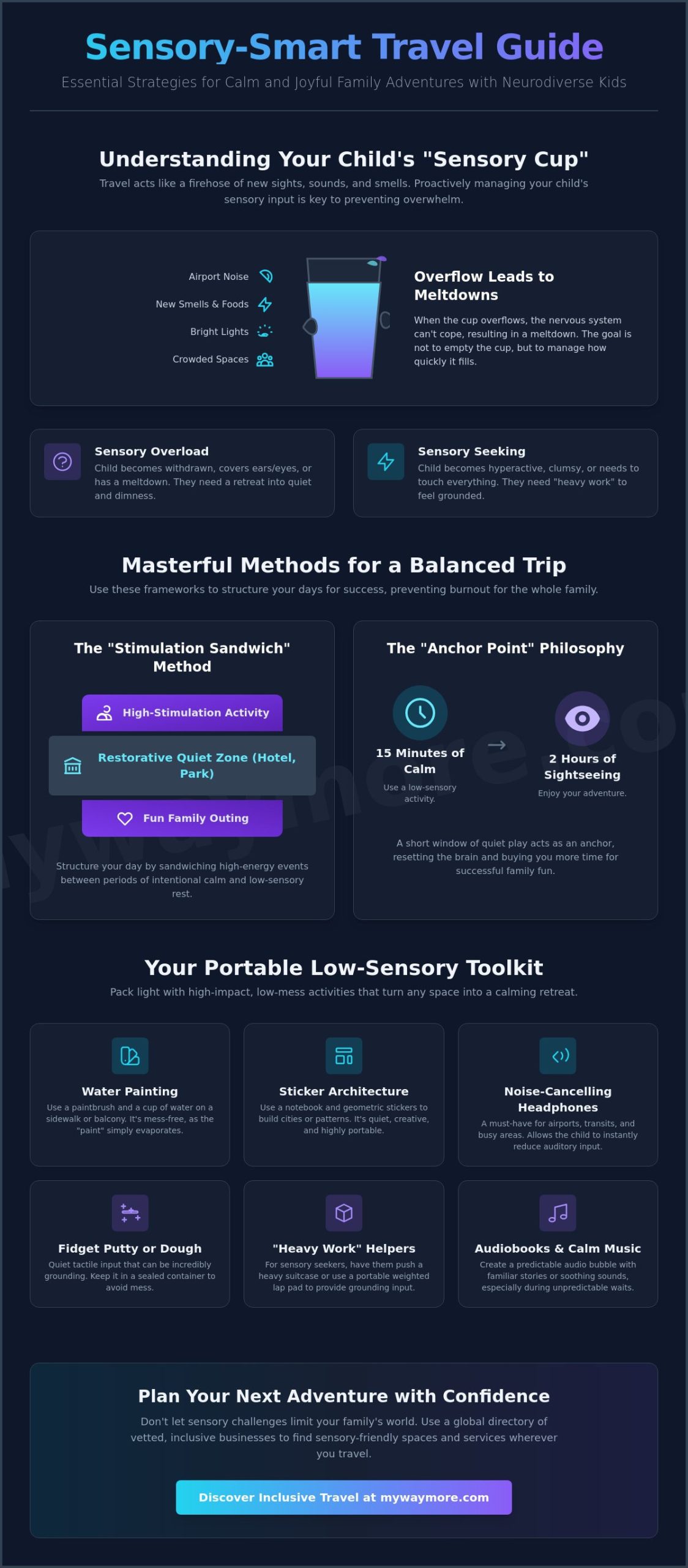
Low-sensory activities for kids on vacation aren’t just a way to kill time in a hotel room. They are intentional tools that reduce the sheer volume of information hitting your child’s nervous system. Think of your child’s ability to handle stress as a “Sensory Cup.” In a familiar home environment, that cup fills slowly through the day. Travel, however, acts like a firehose. Between the roar of jet engines and the unfamiliar scent of a rental car, that cup can overflow before you even reach the hotel lobby.
This overflow often stems from Sensory processing disorder, where the brain struggles to organize and respond to information from the senses. When routines break, the internal map a child uses to feel safe disappears. Routine disruption makes neurodiverse children especially vulnerable because every meal, bed, and bathroom becomes a new puzzle for the brain to solve. Proactive regulation isn’t about stopping the fun; it’s about managing that cup so the “meltdown point” stays out of reach.
To better understand how these concepts apply to real-world travel, watch this helpful video:
Sensory Overload vs. Sensory Seeking on the Road
Every child responds to travel stress differently. Some experience overload, where airport echoes, the hum of hotel air conditioners, or bright theme park lights feel physically painful. These kids need a total retreat into quiet and dimness. Others are sensory seekers who might become hyperactive or “clumsy” as they look for proprioceptive input, which is the sense of where their body is in space. They might need “heavy work” like pushing a heavy rolling suitcase or doing wall pushes in the hotel room to feel grounded. Sensory regulation is the bridge between vacation chaos and family fun.
The ‘Anchor Point’ Philosophy
You don’t need to spend your whole trip hiding in a hotel room to stay regulated. Instead, use 15 minutes of low-sensory activities for kids on vacation to “reset” the brain. This short window of calm acts as an anchor, often buying you another two hours of successful sightseeing. Establish your hotel or vacation rental as a “safe base” where the rules of the world don’t apply and sensory demands are kept to a minimum. To find these quiet havens or sensory-friendly stops along your route, you can use the MyWaymore Services Corp special needs travel directory to plan ahead. This ensures you aren’t searching for a “quiet zone” only when a crisis is already unfolding.
15 Proven Low-Sensory Activities for Kids on Vacation
Packing for a neurodiverse family often feels like preparing for an expedition. You want to bring every comfort from home, but luggage space is finite. The secret lies in selecting low-sensory activities for kids on vacation that are high in impact and low in bulk. Recent research on neurodiverse family travel suggests that the most successful trips prioritize predictability and access to quiet zones. By keeping a toolkit of versatile, “zero-cost” activities ready, you can transform a cramped hotel room or a busy airport terminal into a regulated safe haven.
Quiet Creative Play and Tactile Grounding
Tactile activities help children focus on their immediate physical sensations, which pulls their attention away from overwhelming environmental noise. These options are nearly mess-free and perfect for transit.
- Water Painting: Give your child a cup of water and a cheap paintbrush. They can “paint” the hotel balcony floor or a sidewalk. The water evaporates quickly, leaving no mess behind.
- Sticker Architecture: Use a simple notebook and a pack of geometric stickers. Toddlers can practice fine motor skills, while pre-teens can create complex mosaics or “blueprints” for imaginary buildings.
- Portable Zen Gardens: Fill a small, leak-proof Tupperware container with dry rice or kinetic sand. Hide small plastic figures inside for a “treasure hunt” that provides deep tactile grounding.
- Texture Rubbings: Use a single crayon and scrap paper to capture the textures of coins, leaves, or hotel room door numbers.
- Invisible Ink: Use “magic” water-reveal pads. They provide high visual engagement without the risk of marker stains on rental car upholstery.
Nature-Based Discovery and Heavy Work
Sometimes the best way to reset the nervous system is through proprioceptive input, also known as “heavy work.” These activities help kids feel where their bodies are in space, which is often lost during the chaos of travel.
- Nature Scavenger Hunts: Instead of looking for objects, look for feelings. Ask your child to find something “fuzzy,” “smooth,” “cold,” or “rough” in a local park.
- Animal Walks: In a quiet corner of a museum or park, practice “bear crawls” or “crab walks.” This intense muscle work helps regulate energy levels.
- Cloud Watching: This classic visual grounding exercise slows the heart rate. Lie on a towel and find three shapes in the sky.
- The “Suitcase Push”: Let your child help move the rolling luggage. The resistance provides excellent proprioceptive feedback.
- Wall Pushes: If space is tight, have your child “push” against a sturdy wall for ten seconds to release pent-up tension.
Auditory and Digital Calm-Down Tools
When the world gets too loud, your child needs a “sound bubble.” These tools help filter out the unpredictable echoes of airports and crowded lobbies.
- Audiobooks and Soundscapes: Use noise-canceling headphones to play familiar stories or white noise. This creates a predictable auditory environment.
- Guided Imagery Stories: Practice narrative-driven relaxation. Describe a peaceful scene, like a slow-moving train, to help them wind down for sleep in a new bed.
- Digital Sorting Games: Choose low-intensity tablet apps that focus on organizing by color or shape rather than fast-paced competition.
- Vocal Toning: Encourage your child to hum a low note. The vibration in the chest is naturally soothing.
- Vetted Quiet Zones: You can use the directory at MyWaymore Services Corp to find a sensory-friendly business nearby, such as a library or a quiet cafe, where you can regroup.
Travel-Ready Sensory Kits: Adapting Activities for the Road
Novelty is a secret weapon for parents of neurodiverse children. While familiar toys provide comfort, a “new” small object can hold a child’s attention for twice as long because it requires fresh cognitive processing. This isn’t about expensive gadgets. A simple, unseen fidget or a unique texture from a dollar bin can act as a powerful distractor during a long flight or a restaurant wait. By intentionally curating a kit of low-sensory activities for kids on vacation, you’re not just packing toys; you’re packing a portable safety net that you can deploy the moment you see the “Sensory Cup” beginning to overflow.
The “Sensory Carry-On” strategy ensures that these tools are always within arm’s reach. Never bury your regulation tools in a checked bag or the trunk of the car. During transit, your child’s nervous system is at its most vulnerable due to the lack of physical control and the constant influx of new sounds and smells. Having a dedicated bag that stays with the child provides a sense of agency and immediate relief when the environment becomes too loud or unpredictable.
The Essential ‘Go-Bag’ Checklist
A well-rounded sensory kit addresses multiple needs simultaneously. Focus on items that are quiet, non-messy, and easy to sanitize. Your bag should include:
- Tactile Tools: Fidget spinners, pop-its, and scented putty. Check TSA guidelines for putty and gels; they often need to fit in your 3-1-1 liquids bag if they are especially soft or liquid-like.
- Deep Pressure: A weighted lap pad or a heavy scarf can provide the proprioceptive input needed to stay grounded in a vibrating airplane seat.
- Oral Input: “Chewelry” or crunchy snacks help regulate the nervous system through repetitive jaw movement.
- Auditory Control: High-quality noise-canceling headphones are non-negotiable for busy terminals or echoes in hotel lobbies.
Try to rotate the kit contents every few days of the trip to maintain high levels of engagement and prevent boredom-induced stress.
Transforming Your Temporary Environment
Standard hotel rooms are rarely designed with neurodiversity in mind. They are often filled with bright LED standby lights, unfamiliar cleaning scents, and thin walls. You can take control of this space by using painter’s tape to cover the glowing blue lights on televisions or air conditioning units. This same tape can be used to mark “safe zones” on the floor where your child knows they won’t be interrupted during their quiet time.
Scent management is equally vital. Bringing a familiar pillowcase from home provides a powerful olfactory “anchor” that signals safety to the brain. If your child is sensitive to the smell of industrial detergents, a travel-sized essential oil diffuser with a known scent can mask overwhelming hotel odors. When the world outside becomes too much, use extra hotel blankets and pillows to create a “dark den” in a corner or under a desk. This provides a low-stimulus sanctuary where your child can retreat after a high-energy day.
Managing “The Switch” is the final piece of the puzzle. Moving from a high-stimulus environment, like a theme park or a crowded beach, back to the quiet of a hotel room can be jarring. Use your low-sensory activities for kids on vacation as a buffer during this transition. Instead of expecting immediate sleep or calm, allow for 20 minutes of “decompression play” in the dark den to let the nervous system slowly wind down.
Strategic Itinerary Planning: Balancing Stimulation and Calm
Most vacation planners encourage you to squeeze every drop of value out of your day. For neurodiverse families, this approach is a recipe for exhaustion. Successful travel in 2026 requires a shift from “seeing it all” to “pacing it right.” We recommend the “Stimulation Sandwich” method. This framework uses low-sensory activities for kids on vacation as the “bread” that surrounds a high-intensity event. A quiet, slow morning in the hotel room prepares the nervous system for the midday crowds of a museum or park. Following that excitement with a low-stim evening ensures the day ends on a regulated note rather than a frantic one.
The “Day Zero” rule is another vital part of this strategy. Resist the urge to start sightseeing the moment you land. Use the first 24 hours of your trip to simply exist in your new environment. This allows your child to map the hotel room, test the bed textures, and understand the new “safe base” without the pressure of a schedule. If you find the logistics of finding the right room overwhelming, using professional travel booking assistance can make a world of difference. Experts can advocate for your needs, requesting rooms away from noisy elevators or securing early check-ins to avoid long lobby waits.
Decoding ‘Inclusive’ Labels in Travel
As you plan, you’ll likely see venues labeled as a “Certified Autism Center” (CAC). This designation, granted by the International Board of Credentialing and Continuing Education Standards (IBCCES), means staff have undergone specific training to support neurodivergent guests. However, don’t stop at the label. Call the concierge and ask specific questions about the physical environment. Is the hallway carpeted to muffle footsteps? Are there rooms with blackout curtains? You can use a global directory to find these “local” quiet spots, like small libraries or tucked-away park alcoves, that aren’t on the main tourist maps.
Managing Sibling Dynamics
It’s natural for neurotypical siblings to feel a bit of “FOMO” when high-energy plans are scaled back. Transparency is your best tool here. Explain sensory breaks as a way to keep the whole family’s “battery” charged so the trip lasts longer. Creating opportunities for “Parallel Play” allows everyone to get what they need. One parent might take a sibling to a nearby splash pad while the other stays in a shaded area nearby, engaging the neurodiverse child in low-sensory activities for kids on vacation like sticker books or nature rubbings. This “split” afternoon strategy ensures no one feels like they are missing out on the adventure. For more personalized support in finding these balanced environments, explore our directory of inclusive businesses to find services that cater to every member of your family.
Discovering Inclusive Travel Resources with MyWaymore
Planning a successful trip involves more than just booking a flight. It is about knowing exactly where you can go when the world becomes too loud. MyWaymore serves as a community-centric platform designed to connect you with businesses that truly understand your family’s unique needs. Whether you’re searching for a quiet salon or a restaurant with dimmable lighting, our directory offers a curated path to discovery. By integrating low-sensory activities for kids on vacation with vetted local destinations, you can move through your itinerary with a sense of security and ease.
The real magic of the platform lies in the power of community reviews. You aren’t just reading a standard business description; you’re learning from other neurodiverse families who have already tested the acoustics and the atmosphere. This collective knowledge helps you avoid “sensory traps,” which are venues that look peaceful in photos but are actually overcrowded or echo-prone in practice. Learning from the lived experiences of others ensures your travel choices are grounded in reality rather than marketing claims.
Finding Vetted Special Needs Services
Searching for specialized support in a new city shouldn’t feel like a second job. If you’re looking for autism-friendly businesses in specific hubs like Brooklyn or beyond, the directory allows you to filter for precise accessibility requirements. This saves you hours of manual research and stressful phone calls. For entrepreneurs and service providers who offer these vital environments, our business listing guide explains how to effectively showcase your inclusivity to a global audience of intentional travelers.
Building Your Inclusive Travel Community
We believe in the power of the “hidden gem.” If you discover a quiet botanical garden or a museum with a dedicated low-stimulus hour, sharing that find on the MyWaymore platform strengthens the entire community. This exchange of information turns a simple search into a meaningful social contribution. It empowers every family to travel with confidence, knowing they have a map of curated support and low-sensory activities for kids on vacation at their fingertips. Your next adventure doesn’t have to be a source of exhaustion. With the right resources and a supportive community behind you, travel becomes an opportunity for growth, connection, and genuine peace of mind.
Empower Your Next Family Adventure
Vacationing with neurodiverse children doesn’t have to be a source of anxiety. By managing your child’s “Sensory Cup” and applying the “Stimulation Sandwich” method, you can transform high-energy trips into balanced, memorable experiences. You now have a toolkit of low-sensory activities for kids on vacation and a strategy for creating a “safe base” anywhere in the world. These intentional moments of calm are the secret to preventing burnout and ensuring every family member feels included in the adventure.
You don’t have to navigate these logistics alone. Join a global community of neurodiverse travelers who share your values and your challenges. Through our specialized special needs travel directory, you can access community-vetted reviews that highlight the best inclusive hotels and services worldwide. Discover the best inclusive hotels and services on MyWaymore and start planning your trip with the confidence that you’re supported by those who have been there before. Your family’s world is about to get much bigger, and we’re here to help you explore it safely.
Frequently Asked Questions
What are the best low-sensory activities for a long flight?
Focus on low-mess, high-engagement tools that don’t require much space. Window gel clings provide excellent tactile and visual input without making a sound. Invisible ink pads and audiobooks with noise-canceling headphones are also effective. These low-sensory activities for kids on vacation keep hands busy and ears protected from the constant, draining hum of the airplane engines.
How do I find sensory-friendly hotels in a city I’ve never visited?
Start by searching a specialized directory for businesses that have earned the “Certified Autism Center” designation. These venues have staff trained to support neurodiverse guests. Read reviews from other families to see if the rooms are truly quiet or if the lobby is prone to echoes. You can also contact the hotel directly to request a room on a higher floor away from noisy elevators.
Can I bring sensory tools like weighted blankets through airport security?
Most security agencies like the TSA allow weighted blankets, but they often require additional screening. Place the blanket in its own bin to go through the X-ray machine. It is helpful to arrive early and inform the officer that the item is a therapeutic tool. If the blanket is particularly dense, be prepared for a brief manual inspection by security staff.
What should I do if my child has a sensory meltdown in a crowded tourist area?
Move to a pre-identified quiet zone immediately rather than trying to reason with the child in the crowd. Guide them to a park alcove, a museum library, or even a quiet bathroom stall to reduce environmental input. Use your portable sensory kit to provide deep pressure or white noise. Having a plan for low-sensory activities for kids on vacation allows you to focus on regulation rather than panic.
How can I explain my child’s sensory needs to hotel or restaurant staff?
Use clear, functional language that focuses on the solution rather than the diagnosis. Try phrases like “My child is sensitive to loud music; may we sit in a quieter corner?” or “We need a table away from the kitchen door.” Many families use the Hidden Disabilities Sunflower lanyard to signal a need for extra patience and support without having to give a long explanation every time.
Are there apps that help find quiet locations while traveling?
Sound-mapping apps allow you to check the real-time decibel levels of public spaces before you arrive. Additionally, community-driven platforms provide a map of “quiet zones” and sensory-friendly businesses that other families have already vetted. These digital tools help you navigate unfamiliar streets with a curated list of peaceful havens already in your pocket, making discovery much safer.
How do I balance the needs of a sensory-seeking child and a sensory-avoiding child on vacation?
Find locations that offer both movement and calm, such as a park with a quiet shaded area near a playground. This allows one child to get the heavy work they need through climbing while the other engages in tactile grounding nearby. This “Parallel Play” strategy ensures both children have their needs met without one sibling feeling like they are missing out on the adventure.
What is the best time of day to visit popular attractions to avoid sensory overload?
Aim for the first hour of opening or the final two hours before closing to avoid peak crowds. Most tourist hubs are at their busiest and loudest between 11:00 AM and 3:00 PM. Many museums and aquariums now offer specific “sensory-friendly hours” with reduced lighting and no background music. Check the venue’s website for these scheduled times to ensure a more predictable environment for your visit.
Disclaimer
The information provided on MyWaymore Services is for general informational and educational purposes only. While we strive to provide accurate and up-to-date travel and business information, all content is provided in good faith and we make no representation or warranty of any kind, express or implied, regarding the accuracy, adequacy, validity, or completeness of any information on the site.This article may contain affiliate links. If you click on a link and make a purchase or booking, MyWaymore Services may receive a small commission at no additional cost to you. This helps us continue to provide high-quality travel guides and directory services. We only recommend products, hotels (such as RIU or Sandals), and services that we believe add value to our readers.Your use of the site and your reliance on any information provided is solely at your own risk. Always consult with a professional for specific travel, legal, or financial advice.

Recent Comments