
Planning a Vacation with an Autistic Teenager: The 2026 Collaborative Guide
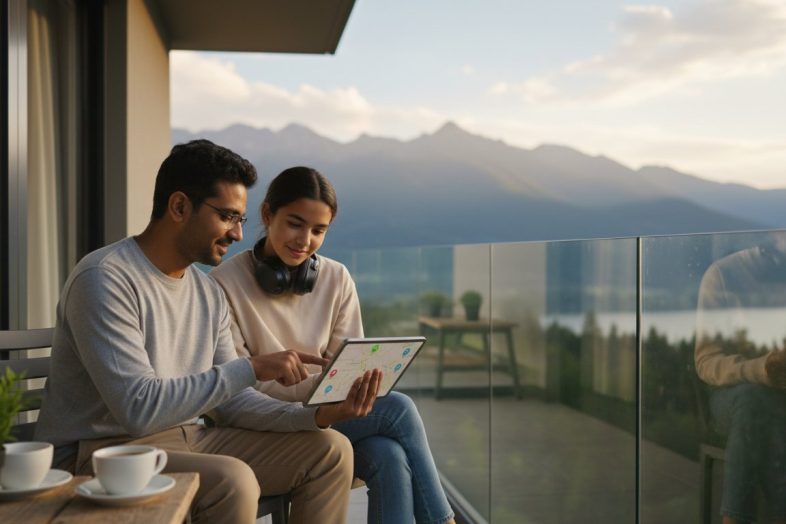
Planning a Vacation with an Autistic Teenager: The 2026 Collaborative Guide
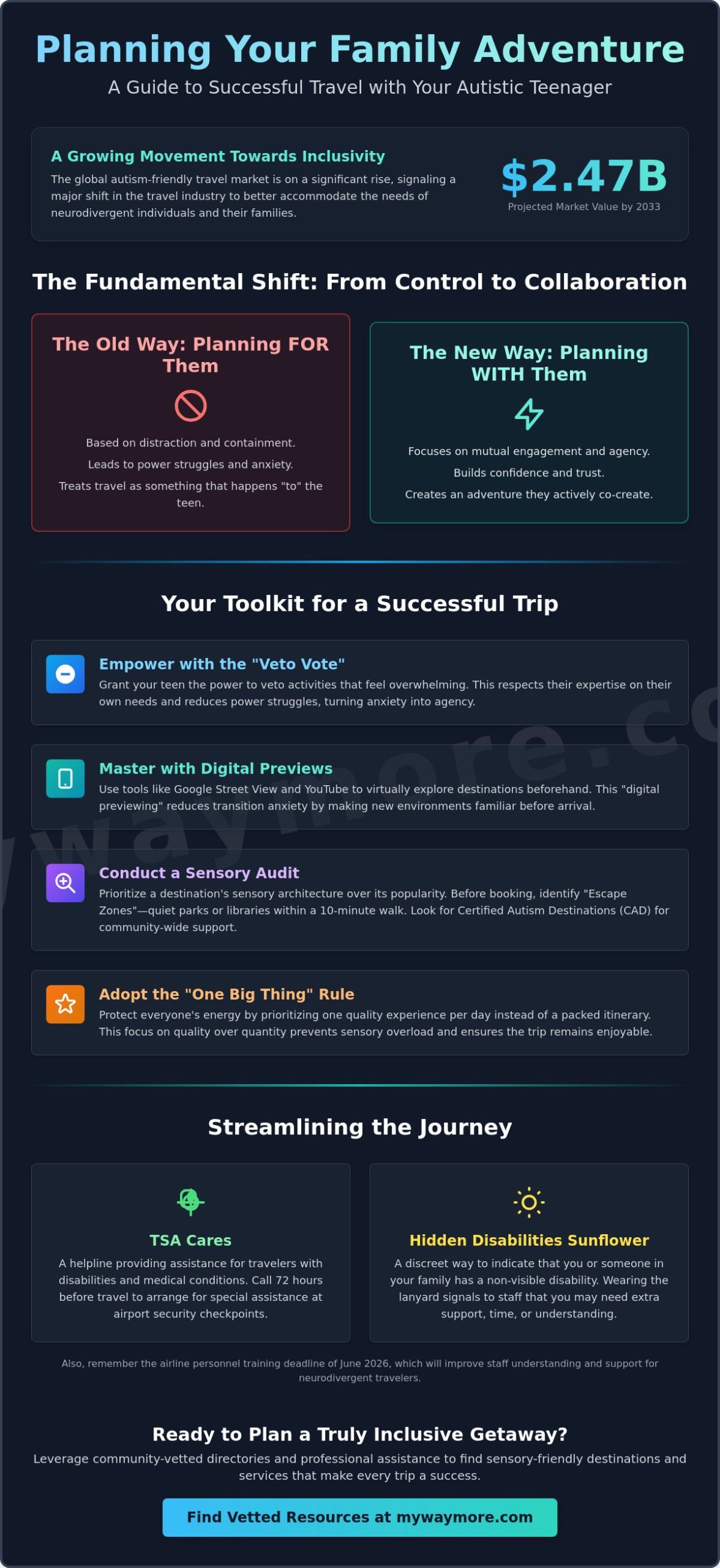
Did you know the global autism-friendly travel market is projected to reach $2.47 billion by 2033? This growth isn’t just about numbers; it signals a massive shift toward a world where your family’s needs are finally being seen and met by travel providers. You’ve likely spent years hyper-vigilantly planning every minute of a trip, only to end up exhausted and fearing a public meltdown in an unfamiliar place. It’s difficult to find age-appropriate, sensory-friendly activities that actually feel like a vacation for the whole family.
This guide will show you how planning a vacation with an autistic teenager can transform from a source of anxiety into a successful family adventure. By shifting from planning “for” your teen to planning “with” them, you can create a predictable itinerary that builds their confidence in new environments. We will preview how to use community-vetted directories to find “safe” destinations like Greater Palm Springs, explain the impact of the June 2026 airline personnel training deadlines, and help you find the professional booking assistance needed for a truly inclusive getaway.
Key Takeaways
- Empower your teen by moving from distraction-based travel to active engagement, granting them a “veto vote” to ensure their comfort and agency.
- Master the art of planning a vacation with an autistic teenager by conducting sensory audits of hotels to identify critical “Escape Zones” before you arrive.
- Streamline the journey using modern tools like the Hidden Disabilities Sunflower program and TSA Cares to reduce airport-related stress for the whole family.
- Protect your energy and your teen’s peace by adopting the “One Big Thing” rule, prioritizing quality experiences over a packed itinerary.
- Leverage community-vetted professional directories to find sensory-friendly services, from salons to dentists, that make every destination feel like home.
The Shift to Collaborative Planning: Why Teen Travel is Different
Planning a vacation with an autistic teenager in 2026 requires a fundamental pivot from the child-centered strategies of the past. When they were younger, your goal might have been distraction and containment; now, the focus must be on mutual engagement and personal agency. This transition isn’t just about changing destinations. It’s about recognizing that your teen is an expert in their own needs and deserves a seat at the planning table. By shifting the dynamic, you empower them to navigate the world with increased confidence.
One of the most effective ways to build trust is by granting your teen a “veto vote” on specific activities. If a crowded festival or a loud concert feels like a sensory bridge too far, their veto must be respected without guilt. This collaborative approach reduces the power struggles that often trigger travel anxiety. It transforms the trip from something happening “to” them into an adventure they are actively building with you.
To better understand this concept of neurodivergent travel perspectives, watch this helpful video:
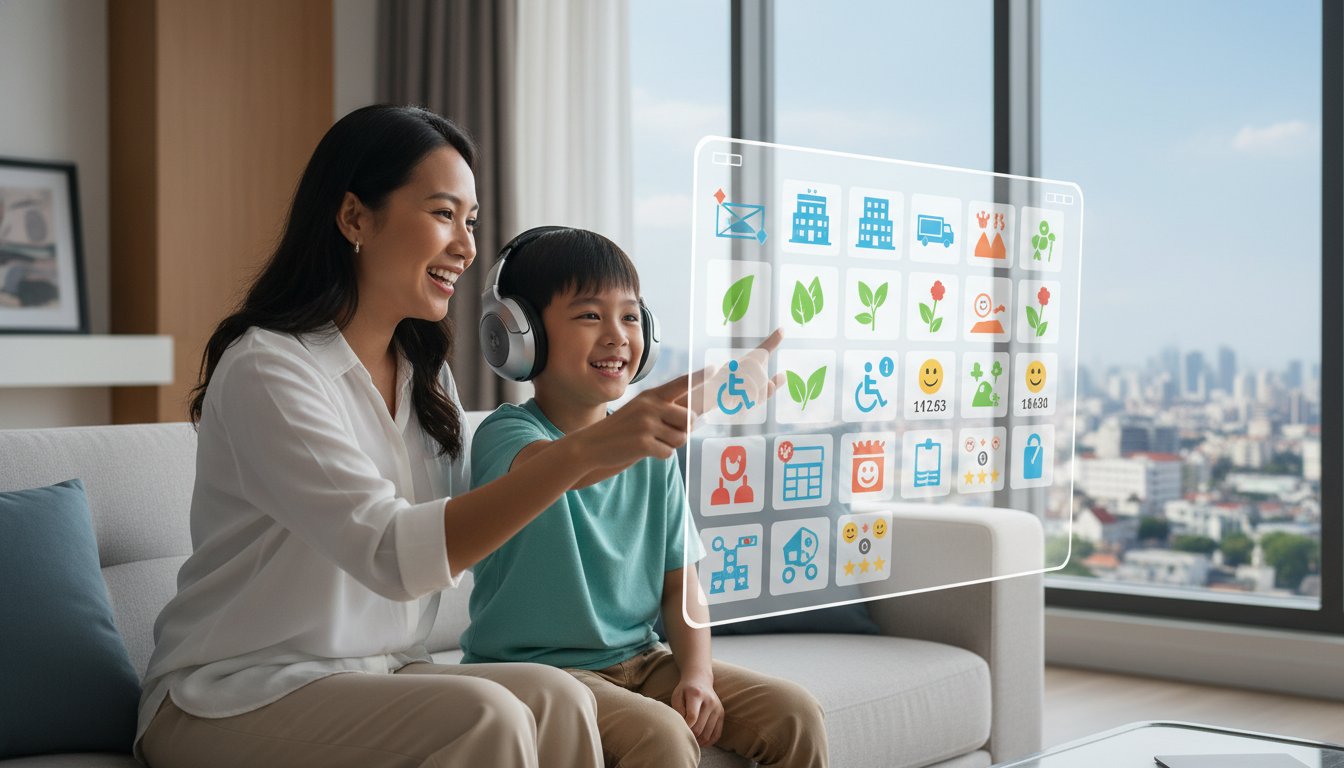
Digital tools have revolutionized how families prepare for transitions. Instead of static social stories, use Google Street View to virtually walk from the hotel lobby to the nearest park. This “digital previewing” allows your teen to memorize landmarks and assess lighting or sidewalk width before they ever leave home. Share a live digital itinerary where they can add comments or “safe” snacks to the packing list. This ensures every detail is transparent, which is essential for reducing transition anxiety before you even pack a suitcase.
Involving Your Teen in Destination Research
Success begins by matching travel locations to your teen’s specific Special Interests (SpIn). Whether it’s a city with a unique transit system or a coastal town near a specialized museum, high buy-in happens when the destination feels relevant to their passions. Planning a vacation with an autistic teenager becomes much smoother when you use YouTube and TikTok to “preview” the sensory environments of 2026 hotspots. Seeing the real-time “people energy” and noise levels of a venue helps set realistic expectations and prevents the shock of an overwhelming environment.
Creating a “Sensory Budget” Together
Think of sensory energy as a finite currency. Before booking, discuss which sensory tools are “must-haves” versus “nice-to-haves” for the journey. This budget should include the “1:1 Rule,” where every hour of high-stimulation activity is followed by one hour of quiet downtime in a pre-identified Safe Zone. To ensure these locations truly offer autism-friendly environments, look for vetted details on acoustics and lighting in our directory. If the research feels overwhelming, our Travel Booking Assistance can help you find destinations that prioritize these inclusive standards, giving you the peace of mind to focus on the journey.
Conducting a Sensory Audit: Choosing the Right Destination
When you’re planning a vacation with an autistic teenager, the destination’s popularity matters far less than its sensory architecture. A sensory audit is your most powerful tool for ensuring a trip feels like a true getaway rather than a series of environmental obstacles. Instead of high-density tourist hubs that thrive on noise and neon, consider “Slow Travel” destinations. These locations prioritize predictable rhythms and lower sensory loads, allowing your teen to decompress rather than just survive the day. As of May 2026, cities like Greater Palm Springs and Visalia, California, have achieved Certified Autism Destination (CAD) status. This means they’ve committed to community-wide inclusion, from trained staff at local attractions to designated quiet spaces.
A certified autism travel professional often recommends looking for “Escape Zones” before you book. These are accessible green spaces or quiet libraries within a ten-minute walk of your home base. Evaluate the acoustics of potential locations; echoey tile floors and thin walls can turn a simple hotel stay into a sensory nightmare. Search for properties that emphasize natural lighting over harsh, flickering LEDs. If you’re feeling overwhelmed by the technical details of these audits, our Travel Booking Assistance can help you identify properties that have been verified for their sensory-friendly standards.
Vetting Hotels and Accommodations
Don’t rely solely on generic descriptions. Call the concierge and ask specific questions about room placement. Request a room at the end of a hallway or on a lower floor to minimize elevator wait times and foot traffic noise. In 2026, many inclusive properties now list “blackout curtains” and “white noise machines” as standard amenities for neurodivergent guests. Ask if the hotel provides sensory kits or has specific quiet hours for the pool area. These small details are the difference between a restful night and a midnight meltdown.
Utilizing a Special Needs Travel Directory
The most reliable way to find these sanctuaries is through a special needs travel directory. Unlike generic review sites where “quiet” is a subjective term, a specialized directory provides feedback from families who understand your specific challenges. Look for businesses with neurodiversity certifications and read peer reviews that mention “real-world” sensory details. These community-vetted insights ensure you’re contributing to a local economy that values your teen’s comfort and identity.
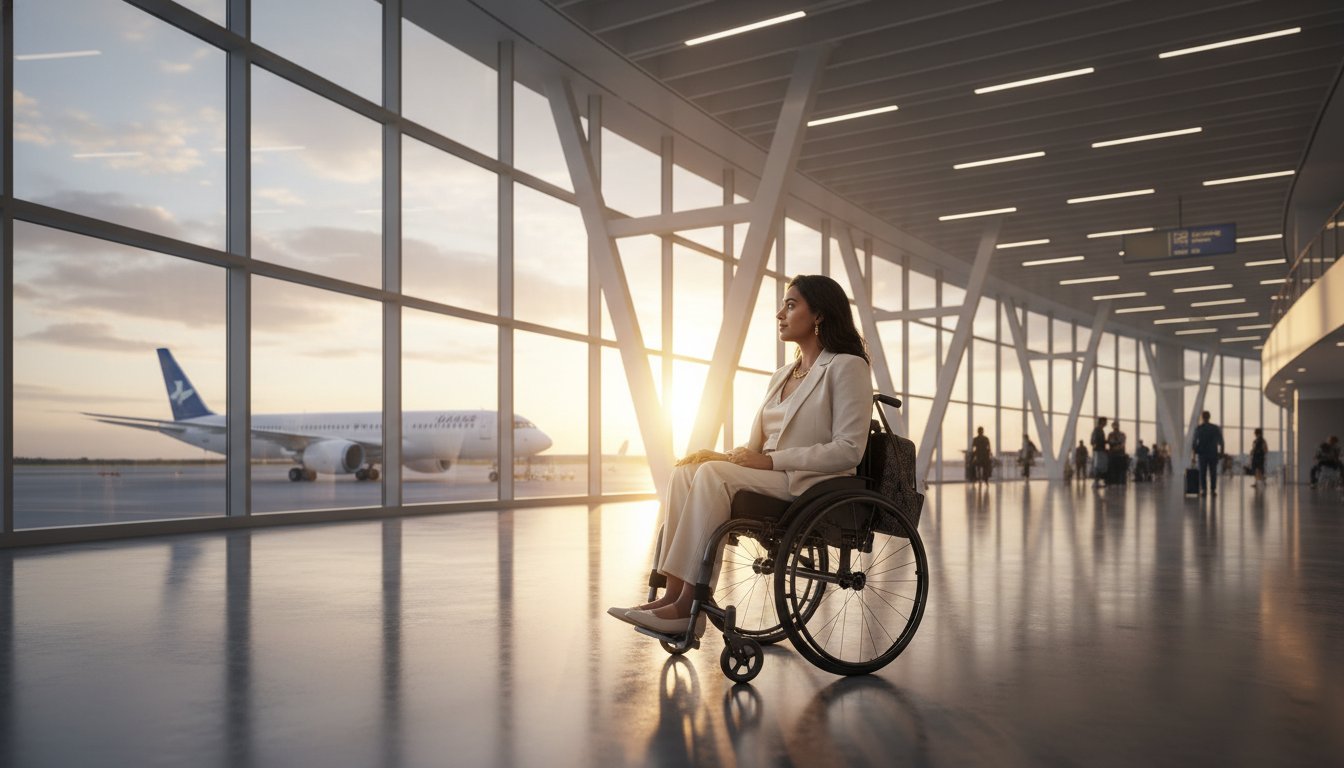
The Logistics of the Journey: From Airports to Road Trips
The journey itself often presents the most significant sensory challenges when planning a vacation with an autistic teenager. In 2026, the travel landscape has become more supportive than ever. A critical milestone is the June 17, 2026, deadline for enhanced annual training for airline personnel who assist passengers with disabilities. This ensures that staff are better equipped to understand and respect neurodivergent needs. To maximize this support, contact TSA Cares at least 72 hours before your departure. They can provide a Passenger Support Specialist to help your teen navigate security screening with less stress and more predictability.
Preparation is your greatest ally. Equip your teen with a “Travel Kit” that includes high-quality noise-canceling headphones, a weighted lap pad, and a generous supply of “Safe Snacks.” These familiar items provide a sensory anchor in chaotic environments like busy terminals or train stations. Managing wait time anxiety is easier when you have high-interest digital content ready, alongside tactile fidgets for grounding. If coordinating these logistics feels overwhelming, our Travel Booking Assistance can help you find routes and carriers that prioritize these inclusive services.
Air Travel Success Strategies
When you arrive at the gate, don’t hesitate to request pre-boarding. You can simply phrase it as: “We are traveling with a neurodiverse passenger who needs a few extra minutes to settle before the cabin gets crowded.” This small window of time allows your teen to adjust to the plane’s lighting and acoustics without the pressure of a line behind them. Many major airport hubs in 2026 now feature dedicated sensory rooms. These spaces are designed for pre-flight decompression and offer a vital escape from the hum of the terminal. During the flight, use chewable candy or specialized earplugs to manage pressure changes and cabin noise, which can be particularly distressing for sensitive ears.
Car and Train Travel Alternatives
Sometimes, the best way to travel is to stay grounded. Trains are a fantastic sensory-friendly alternative to flying. They offer more room to move, consistent pressure, and the rhythmic sound of the tracks, which many teens find soothing. If you choose a road trip, plan your stops around sensory-friendly parks or quiet rest areas rather than just gas stations. You can create a “Mobile Safe Space” in the back seat using portable partitions or sunshades to reduce visual overstimulation. Use GPS apps to visualize the “Time to Arrival.” Seeing the progress bar move helps reduce repetitive questioning and gives your teen a concrete sense of control over the transition.
On-the-Ground Success: Managing Routines and Meltdowns
Once you arrive at your destination, the success of your trip relies on balancing exploration with emotional regulation. Planning a vacation with an autistic teenager often fails when parents try to replicate a standard, high-energy tourist itinerary. Instead, adopt the “One Big Thing” rule. Limit your schedule to a single major event per day, such as one museum visit or one specific park. This leaves ample room for the unexpected and prevents the cumulative sensory fatigue that leads to burnout. If you try to do too much, you risk turning a vacation into a marathon of endurance rather than a meaningful family experience.
The “Recovery Day” strategy is equally vital for a smooth transition. Make the day after you arrive a zero-agenda day. Use this time to explore the immediate vicinity of your rental, locate the nearest grocery store, and let your teen’s nervous system settle into the new environment. Establishing “Food Security” early is a top priority. Find familiar textures and flavors to avoid sensory “hangry” states that can trigger a crisis. Whether it’s a specific brand of crackers or a predictable pasta dish, having a stash of safe foods ensures that a missed restaurant reservation doesn’t lead to a meltdown.
Dining and Social Environments
Eating out is often a high-stress activity due to unpredictable noise and smells. Use professional directories to find restaurants that offer quiet dining rooms or outdoor seating. The “Digital Menu” hack is a game-changer for 2026 travelers. Review photos of the food and the interior with your teen before you go to reduce the anxiety of the unknown. If you’re worried about public perception, keep advocacy cards in your wallet. These small cards briefly explain neurodiversity, helping you manage the “staring” factor without needing to have an exhausting conversation in the middle of a meal.
Handling Sensory Overload Abroad
Learn to recognize “The Rumble Stage” in your teen. This is the subtle period of increased stimming, irritability, or withdrawal that happens before a full meltdown occurs. When you see these signs, trigger your pre-planned “Exit Strategy.” Every location you enter should have a known path to a quiet area or the nearest exit. Keep a “Calm Down” kit in your day bag with chewies, tinted sunglasses, and heavy work items like a weighted scarf. If you need more specialized assistance in a new city, browse our Professional Service Directory Listing to find sensory-aware healthcare and community support wherever you travel.
Finding Your Community: Using MyWaymore to Vet Your Trip
Generic review sites often fail to capture the specific details that make or break a trip for neurodivergent families. When you’re planning a vacation with an autistic teenager, you need more than just a general rating; you need to know about the flicker of the overhead lights or the echo in the dining hall. MyWaymore Services Corp functions as a website-based global travel community and directory that prioritizes these sensory nuances. Unlike crowdsourced forums that can be difficult to search, this professional directory provides a centralized database of businesses that are actually neuro-inclusive, ensuring your data comes from a reliable, trusted source.
Trust is built through verification and shared experience. By choosing businesses through MyWaymore Services Corp, you are supporting inclusive entrepreneurs who prioritize neurodiverse staff and accessible customer service. This intentionality transforms a simple booking into a collective social contribution. If you discover a “hidden gem” during your travels that offers an exceptional sensory-safe environment, you can help the entire community by learning how to list my business on travel directory. Your contributions help build a robust map for the next family, turning your personal discovery into a shared resource.
Connecting with Local Neurodiverse Communities
Success in a new city often depends on the local professional support you can access. Use MyWaymore Services Corp to build a “Safe Network” before you arrive by locating sensory-friendly salons, dentists, and healthcare providers in your destination. This integration between travel planning and local professional services addresses a major gap in traditional guides. You can also search for local autism meetups or specialized events, allowing your teen to connect with the local community in a low-pressure, welcoming environment. Having these vetted services on hand provides a safety net that reduces the exhaustion of hyper-vigilant planning.
Conclusion: Empowering Your Teen Through Travel
Reframing “successful travel” means looking for growth rather than just the absence of a crisis. Every time your teen successfully navigates a new transition or advocates for their needs in a new space, they are building lifelong confidence. Document these moments in a “Positive Memory” book to serve as a visual anchor for your next adventure. This collaborative process respects your teen’s agency and transforms the world into a more accessible place for them to explore. Start your next chapter by browsing our Special Needs Travel Directory and discover how a community-centric approach makes every journey more meaningful.
Your Next Adventure Starts with a Shared Vision
Shifting your perspective from managing a trip to co-creating an experience turns the unknown into a series of predictable, exciting milestones for your family. Planning a vacation with an autistic teenager is no longer a solitary burden when you have the right support systems in place. By utilizing the sensory audits and collaborative tools we’ve discussed, you’re building more than just an itinerary; you’re cultivating your teen’s independence and resilience in a world that is becoming more inclusive every day.
Confidence comes from knowing your destination has been vetted by those who truly understand your family’s needs. With access to over 10,000 community-vetted business listings and a global network of inclusive travelers, MyWaymore Services Corp ensures you don’t have to guess about the accessibility of your next stop. Our platform provides dedicated resources that empower you to explore with security and ease. Find Vetted Special Needs Travel Services on MyWaymore Services Corp and begin building a journey that celebrates your teen’s unique way of seeing the world. Travel is a path to discovery, and with the right community, your family’s possibilities are limitless.
Frequently Asked Questions
What are the best autism-friendly vacation destinations for 2026?
Top destinations for 2026 include Visalia, California, and High Point, North Carolina, both of which have earned Certified Autism Destination status. These regions have undergone community-wide training to ensure attractions and hotels are equipped with quiet zones and sensory-aware staff. Selecting these CAD locations simplifies planning a vacation with an autistic teenager because the infrastructure for inclusion is already built into the local economy.
How do I get a TSA Cares escort for my autistic teenager?
Contact the TSA Cares helpline at least 72 hours before your flight to request a Passenger Support Specialist. This specialist can meet you at the airport to assist with navigating the security process, reducing the unpredictability of the terminal. It’s a free service designed to provide a smoother transition for neurodiverse travelers, helping them bypass the standard stressors of the security line.
Can I get a refund if my teen has a meltdown and we have to cancel our flight?
Standard airline tickets rarely offer refunds for behavioral crises unless you have purchased “Cancel for Any Reason” insurance. While the June 17, 2026, training mandate improves staff awareness, it doesn’t change the financial terms of your ticket. Always review the specific disability policies of your carrier or use our Travel Booking Assistance to find airlines with more flexible accommodation standards before you finalize your purchase.
What should I include in a sensory travel kit for a teenager?
A teen-focused kit should prioritize high-quality noise-canceling headphones, a weighted lap pad, and tactile fidgets like complex puzzles or metal spinners. Don’t forget a high-capacity portable charger to keep high-interest digital content available during long waits. These items serve as sensory anchors, providing comfort in loud or bright environments like train stations or airport terminals where transitions can feel most overwhelming.
How do I explain my teen’s autism to hotel staff in a foreign country?
Use a digital translation app or pre-printed advocacy cards to explain your teen’s specific needs in the local language. Briefly state that they are autistic and may require extra time or a quiet space to process information. This direct approach helps staff provide better service without you needing to manage an exhausting conversation during check-in, ensuring your teen’s comfort is prioritized.
Are there specific cruise lines that cater to autistic teenagers?
Royal Caribbean and Celebrity Cruises lead the industry with “Autism Friendly” certifications that include sensory-friendly activities and toy lending libraries. These lines provide staff trained in de-escalation and offer structured environments that help teens feel secure at sea. They also facilitate priority boarding and offer quiet zones, making them a reliable choice for families who enjoy the variety of a cruise itinerary.
How can I find sensory-friendly restaurants while traveling?
The most reliable method is to use the directory at MyWaymore Services Corp to find businesses with neurodiversity certifications and peer-vetted reviews. Search for locations that offer outdoor seating or quiet dining rooms to minimize sensory load. By checking digital menus before you arrive, you can also confirm food textures and options, ensuring a predictable dining experience that respects your teen’s sensory requirements.
What is the Hidden Disabilities Sunflower Lanyard and how do I get one?
The Sunflower Lanyard is a discreet way to signal to staff that your teen has a non-visible disability and may need extra support. You can pick one up for free at information desks in many 2026 airport hubs or order one online before your trip. It’s a simple tool that helps planning a vacation with an autistic teenager feel more secure by ensuring staff can offer assistance without a public explanation.
Disclaimer
The information provided on MyWaymore Services is for general informational and educational purposes only. While we strive to provide accurate and up-to-date travel and business information, all content is provided in good faith and we make no representation or warranty of any kind, express or implied, regarding the accuracy, adequacy, validity, or completeness of any information on the site.This article may contain affiliate links. If you click on a link and make a purchase or booking, MyWaymore Services may receive a small commission at no additional cost to you. This helps us continue to provide high-quality travel guides and directory services. We only recommend products, hotels (such as RIU or Sandals), and services that we believe add value to our readers.Your use of the site and your reliance on any information provided is solely at your own risk. Always consult with a professional for specific travel, legal, or financial advice.
Recent Comments