
How to Prepare an Autistic Child for a Flight: The 2026 Family Travel Guide
How to Prepare an Autistic Child for a Flight: The 2026 Family Travel Guide
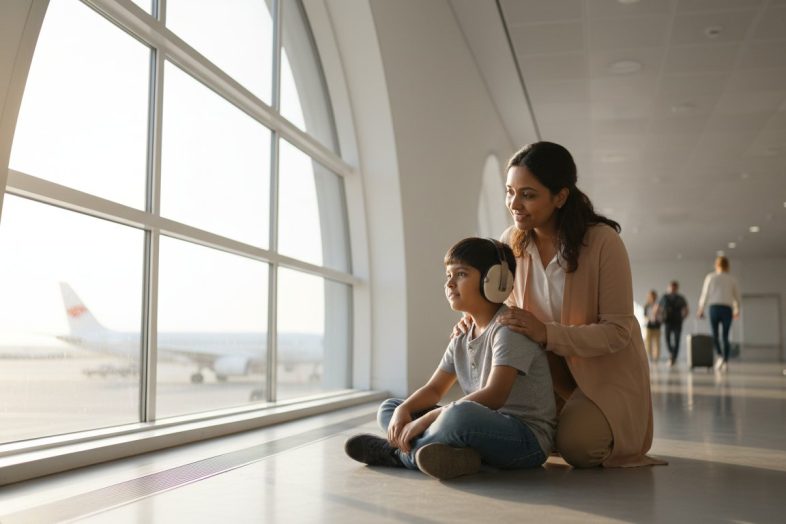
Imagine standing at the boarding gate while the terminal hum transforms into an overwhelming roar for your child. You feel the weight of public judgment as a sensory meltdown begins, and suddenly, the vacation you carefully planned feels like an impossible hurdle. Many parents share this exact fear, worrying that a simple flight delay or a change in routine will derail their entire journey. Learning how to prepare an autistic child for a flight is about more than just packing favorite toys; it’s about building a structured sensory rehearsal and tapping into a global network of inclusive resources.
We’ve created this 2026 guide to provide a comprehensive, step-by-step roadmap that transforms air travel from a source of anxiety into an empowering family adventure. You’ll discover how to navigate airport security with confidence using tools like the TSA Cares helpline at (855) 787-2227 and the DPNA special service code. We also preview the latest “Wings for All” rehearsal programs, such as the upcoming event at Boston Logan on May 30, 2026. From calm boarding strategies to finding vetted, inclusive support at your destination through our professional directory and travel booking assistance, we ensure you have the reliability of a trusted advisor every step of the way.
Key Takeaways
- Build a predictable travel narrative by framing preparation as an ongoing, multi-sensory education process that prioritizes your child’s need for routine.
- Master how to prepare an autistic child for a flight by choosing airlines with specialized neurodiversity training and selecting seats based on unique sensory triggers.
- Implement “dry run” rehearsals at home to simulate the cabin experience, effectively reducing cortisol levels and anxiety before you ever reach the airport.
- Navigate the “Boarding Dance” with confidence by deciding whether early or late boarding suits your family’s needs while managing physical discomfort like cabin pressure changes.
- Extend your peace of mind beyond the airport by using our curated directory to find inclusive, sensory-friendly businesses and travel booking assistance for your destination.
The Foundation: Building a Predictable Flight Narrative
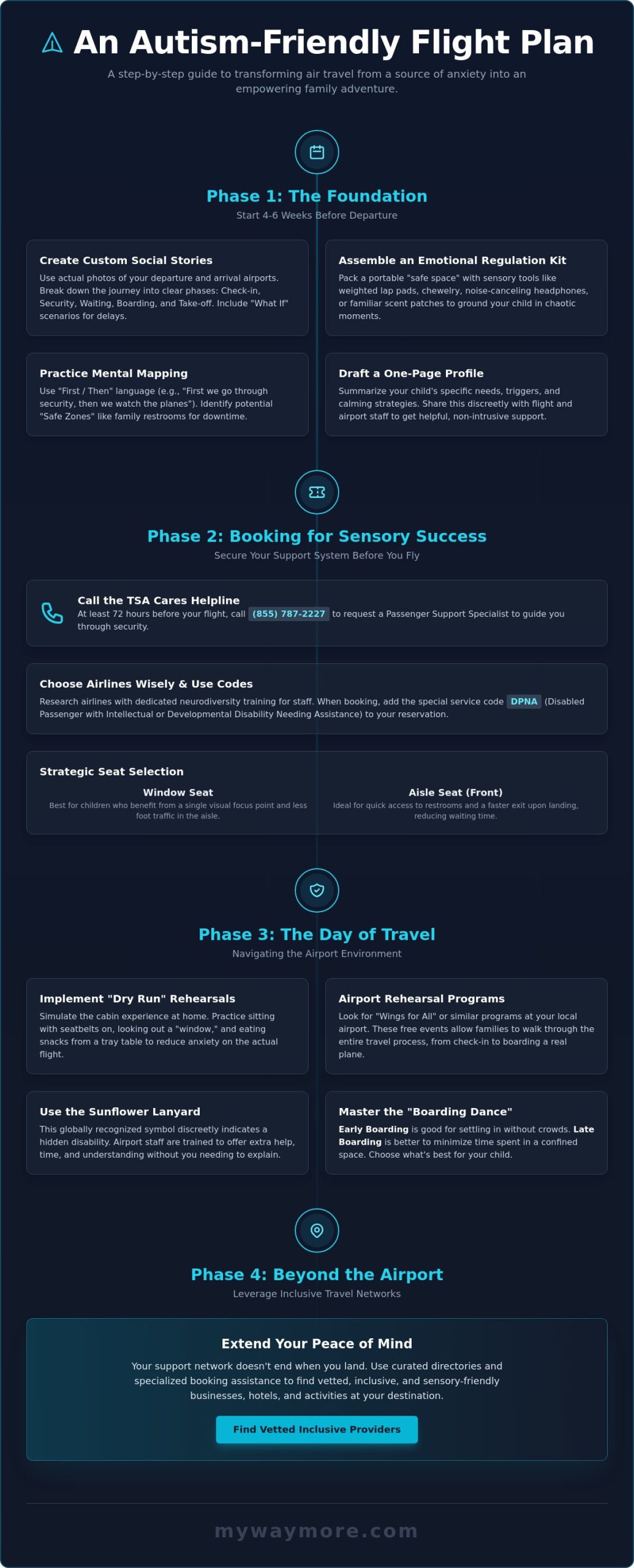
Successful travel begins long before you reach the terminal. Effective flight preparation is a multi-sensory education process rather than a single conversation. You should start building this narrative four to six weeks before your departure date to give your child enough time to process the upcoming changes. This extended timeline allows for a gradual introduction of sounds, sights, and routines that would otherwise be overwhelming. By treating the journey as a series of predictable steps, you provide the primary antidote to sensory induced anxiety. Understanding Neurodiversity helps us recognize that autistic children often experience environments with heightened intensity, making predictability a necessity for emotional safety.
To better understand this concept, watch this helpful video:
As you map out the journey, consider assembling a Travel First Aid Kit specifically for emotional regulation. This kit isn’t for physical scrapes; it’s a curated collection of sensory tools like weighted lap pads, chewelry, or familiar scent patches. When you learn how to prepare an autistic child for a flight, you realize that having these familiar anchors can ground a child when the airport environment becomes too loud or chaotic. It’s about creating a portable “safe space” that moves with you through every transition.
Creating Custom Social Stories for 2026 Travel
Generic social stories often fall short because they don’t match the specific reality your child will face. Create a visual schedule using actual photos of your departure and arrival airports to make the narrative concrete. Break down the airport sequence into clear phases: Check-in, Security, Waiting, Boarding, and Take-off. You should also include “What If” scenarios for common disruptions like gate changes or flight delays. This helps your child understand that while the plan might shift, the overall goal of reaching the destination remains the same.
Mental Mapping and Expectation Setting
Use “First/Then” language to create a clear, reward-based structure for the travel day. For example, “First we walk through the metal detector, then we get to look at the planes through the big window.” This simple logic provides a sense of control and purpose. Identify “Safe Zones” in the airport narrative, such as family restrooms or quiet corners, where your child can have downtime. Finally, draft a one-page profile of your child’s specific needs and triggers. Sharing this with flight crews ensures they can offer support that is actually helpful rather than intrusive.
Logistical Strategy: Booking for Sensory Success
Booking a flight involves more than just finding the lowest fare. It’s about building a framework of support. Start by researching airlines that prioritize neurodiversity training. Some carriers now provide specific staff protocols for assisting families during boarding and in-flight transitions. When you are looking into how to prepare an autistic child for a flight, these logistical details act as your first line of defense against travel stress. If the process feels overwhelming, our travel booking assistance can help you identify inclusive providers that match your family’s needs.
Security checkpoints are often the most high-stress environments. You should register for TSA Passenger Support at least 72 hours before your departure. By calling the TSA Cares helpline at (855) 787-2227, you can request a dedicated specialist to guide you through the screening process. Additionally, many international hubs now recognize the Hidden Disabilities Sunflower lanyard. Wearing this discreet symbol alerts airport staff that your child may need extra time or a calmer approach without you needing to explain your situation repeatedly.
Seat Selection: A Sensory Breakdown
Where you sit dictates your child’s sensory input for hours. Choose wisely based on their specific behaviors. Bulkhead seats provide extra legroom, making them ideal for children who tend to kick. However, remember that you won’t have under-seat storage for immediate access to comfort items during takeoff. The rear of the plane is closer to the lavatories, which is helpful for quick transitions, but engine noise and vibrations are more pronounced there. Window seats offer a visual anchor and a physical wall on one side. They effectively reduce accidental contact with people or carts moving through the aisle.
Leveraging TSA Cares and Airport Assistance
Don’t hesitate to assert your rights regarding sensory equipment. You are permitted to keep weighted vests or noise-canceling headphones with your child during screening, though they may require a manual inspection. Ask for “low-stress” lanes where available; these are designed to move at a slower pace with fewer crowds. Confirm your meal requirements early, but always have a “bring-your-own” backup. Many airlines have strict policies on outside food, so checking these rules 48 hours in advance ensures your child’s preferred snacks aren’t confiscated at the gate. This proactive communication with the airline and TSA ensures that your logistical plan remains solid from check-in to touchdown.
Sensory Desensitization: The Rehearsal Phase
Mastering how to prepare an autistic child for a flight involves moving beyond theory into active practice. Dry runs are the most effective way to reduce cortisol levels on the actual travel day. By exposing your child to the sensory components of flying in a controlled environment, you replace fear of the unknown with familiar routines. If you can’t make it to an airport, the “At-Home Flight” exercise is a powerful alternative. Set up chairs in a row, play recordings of jet engines, and practice buckling seatbelts. This simulation helps your child understand the physical constraints of a cabin before they ever step on board.
Identifying noise triggers early allows you to desensitize your child to the specific frequencies of air travel. Use white noise machines or high-quality recordings of take-off sounds during playtime or meals. Gradually increasing the volume helps build tolerance over several weeks. Integrating Autism Speaks travel resources into your planning can provide additional visual aids and checklists for these sensory sessions. Don’t forget the role of comfort objects; these items act as a sensory bridge between the safety of home and the unfamiliarity of the aircraft. Whether it’s a specific blanket or a worn-in plushie, these anchors provide immediate regulation when external stimuli become too intense.
The Airport ‘Dry Run’ Experience
Many airports host “Wings for All” programs, which allow families to practice the entire airport process without leaving the ground. Contact your local airport four to six weeks in advance to see if a rehearsal is scheduled. If a formal program isn’t available, conduct a self-guided terminal tour. Spend time in the ticketing area or near the security entrance just to soak in the atmosphere. Practicing the “wait” is crucial. Use airport lounges or quiet gates to have a snack and play a game, teaching your child that the airport is a place where we sometimes have to stay still and wait.
Tech and Sensory Gear Trials
Testing tech and sensory gear is a vital part of how to prepare an autistic child for a flight. Don’t wait until the flight to introduce noise-canceling headphones. Have your child wear them for increasing durations at home to ensure they are comfortable for a multi-hour journey. Verify that all digital devices have offline-ready content and that your external batteries are fully charged. Introducing “travel-only” fidgets can maintain high interest and engagement. These should be items your child hasn’t seen before, keeping their novelty value high for the moments when you need a significant distraction during the flight.
The Flight Day Toolkit: Managing Transitions
Travel day is the culmination of all your hard work. While the preparation phases focused on the “what,” this stage is about the “when.” One of the most critical moments is the “Boarding Dance.” You’ll need to decide if your child benefits from pre-boarding, which allows them to settle into their seat before the crowds arrive, or if they should be the very last person to board to minimize time spent in the cramped cabin. This decision depends entirely on your child’s specific sensory threshold. Understanding how to prepare an autistic child for a flight means being flexible enough to change this plan based on the environment you see at the gate.
Physical discomfort during ascent and descent can often trigger a sensory crisis. The “Pressure Gap,” or ear popping caused by cabin pressure changes, is a common culprit. Encourage your child to chew gum, use a straw for drinks, or enjoy a lollipop to facilitate swallowing. Maintaining a consistent routine for meals and sleep is equally vital. Even if the airline serves dinner at 9:00 PM, stick to your child’s home schedule using snacks from your carry-on. As you approach your destination, prepare for the transition of deplaning by staying seated until the initial rush of passengers has cleared. If you’re feeling overwhelmed by the logistics of planning these transitions, our travel booking assistance can help you find flights with the most accommodating schedules and layouts.
The Carry-On Essentials Checklist
Your carry-on is your mobile sensory headquarters. Include weighted lap pads to provide grounding pressure and chewelry for oral-motor input. A “Surprise Bag” is another highly effective tool. Wrap small, inexpensive toys and let your child open one at specific milestones, such as reaching cruising altitude or passing the halfway point of the flight. This creates a positive association with the journey’s progress. Always keep a physical copy of your flight plan and medical IDs easily accessible for quick reference or in case of an emergency during baggage claim transitions.
In-Flight Meltdown Management
If a meltdown occurs, your own emotional regulation is the most powerful tool in your kit. Children often mirror the stress levels of their caregivers, so staying calm and focused is essential. If the cabin feels too restrictive, ask the flight crew for permission to move to the galley area for a “sensory reset.” This is often the quietest part of the plane. Having a simple script ready for fellow passengers can also reduce your own anxiety. A brief, “My child is autistic and experiencing a sensory overload; we are working through it,” is often all that’s needed to foster understanding. Learning how to prepare an autistic child for a flight involves having these scripts ready to go.
Navigating the Destination: Leveraging Inclusive Travel Networks
Touching down at your destination is a major triumph, but the flight is only half the journey. If you spent weeks learning how to prepare an autistic child for a flight, don’t let that momentum stop at the arrival gate. Planning for an autism-friendly arrival ensures the transition from the aircraft to your new environment is as smooth as the landing itself. This stage of travel is where community support becomes your most valuable asset, turning a standard trip into a truly inclusive adventure. You’ve conquered the skies; now it’s time to find a home away from home that respects your child’s needs.
Inclusive travel networks allow you to tap into global directories of vetted, sensory-friendly hotels and local businesses. It’s about finding places that understand neurodiversity without you having to explain it at every turn. Look for “Double Checked” professional services, such as local salons or dentists, that have specific experience with neurodiverse families. Connecting with local neurodiverse communities through social platforms provides real-time travel advice that standard brochures often miss. These local guides can tell you which park has a quiet corner or which restaurant is actually welcoming during a sensory crisis.
Discovering Autism-Friendly Local Businesses
Search for hotels that offer “sensory kits” containing items like weighted blankets or white noise machines upon request. These small details can prevent the post-travel fatigue that sometimes follows a long day of flying. You can find these vetted locations by using a special needs travel directory to identify inclusive dining and local attractions. Many museums and theme parks now offer sensory-friendly hours or “quiet days” where crowds are limited and noise levels are reduced. Vetting these attractions in advance ensures your itinerary remains manageable and enjoyable for everyone.
Community Support and Verified Reviews
Reading reviews from other neurodiverse families is essential before booking any part of your itinerary. These families provide the honest, practical feedback that standard travel sites often miss. If the logistics of vetting every stop feel daunting, our travel booking assistance can help you customize your itinerary to include only verified, inclusive partners. Finally, remember to contribute back to the community by sharing your own experiences. Your insights help other parents who are currently researching how to prepare an autistic child for a flight, making the world a little more accessible for every family.
Your Roadmap to Empowered Family Travel
Transforming air travel from a source of stress into a manageable adventure is entirely possible when you have the right tools. By building a predictable narrative through social stories and mastering sensory rehearsals at home, you’ve already laid the groundwork for success. Remember that learning how to prepare an autistic child for a flight is not just about the hours spent in the air; it’s about the confidence you build as a family before you even reach the gate. From utilizing TSA Cares to choosing the perfect window seat, every proactive step you take creates a safer, calmer environment for your child.
You don’t have to navigate this path alone. Our platform is designed to be your trusted advisor, connecting you with a global community of neurodiverse travelers and businesses that truly understand your needs. Whether you need stress-free travel booking assistance or access to our vetted inclusive business listings, we’re here to help you discover the world with peace of mind. Explore the MyWaymore Directory for Autism-Friendly Travel Resources today and start planning your next discovery. Your family deserves to explore with confidence, and we’re honored to be part of your journey.
Frequently Asked Questions
What is the Hidden Disabilities Sunflower lanyard and how do I get one?
The Hidden Disabilities Sunflower lanyard is a globally recognized tool that discreetly indicates the wearer has a non-visible disability. You can typically pick one up for free at the information desks of participating airports or order one in advance through the official Sunflower website. This simple lanyard helps staff identify that your family might need extra time or assistance without you having to disclose specific medical details during your journey.
Can I bring my child’s sensory equipment through TSA security?
You are absolutely permitted to bring sensory equipment like weighted vests, lap pads, and fidget toys through TSA security checkpoints. While these items are allowed, be prepared for a potential manual inspection if they contain gels or dense materials. Using a TSA Notification Card is a great way to communicate these needs quietly to officers while you learn how to prepare an autistic child for a flight.
Should I choose pre-boarding or board last with an autistic child?
The choice between pre-boarding and boarding last depends entirely on your child’s specific sensory needs and triggers. Pre-boarding allows you to settle into the space and organize your gear before the aisle gets crowded with other passengers. Conversely, boarding last minimizes the time your child has to spend sitting in a stationary, cramped cabin, which can be helpful if they struggle with confined spaces for long periods.
How do I explain my child’s autism to the flight attendants?
Handing a one-page profile or a notification card to the flight crew is the most efficient way to explain your child’s needs. This document should briefly list specific triggers, like a fear of loud announcements, and preferred calming methods. It allows the crew to provide supportive service without requiring a long, stressful conversation in a busy aisle while other passengers are boarding around you.
What are the best noise-canceling headphones for autistic children?
The best noise-canceling headphones for travel are those that offer high decibel reduction combined with active noise cancellation technology. Focus on models with soft, over-ear cushions that remain comfortable for several hours of continuous use. It’s helpful to test these at home for several weeks as part of your overall strategy for how to prepare an autistic child for a flight.
How can I find autism-friendly hotels at my travel destination?
Finding autism-friendly hotels is easiest when you leverage specialized travel directories that vet businesses for their specific inclusive features. Look for properties that offer quiet zones or sensory kits containing blackout curtains and white noise machines. Our directory listings highlight these specific accommodations to ensure your destination is as welcoming as your home environment throughout your entire stay.
What should I do if my child has a meltdown during the flight?
If a meltdown occurs, focus first on your own breathing and regulation to provide a calm anchor for your child. Use your sensory toolkit immediately, and if the cabin environment feels too intense, ask a flight attendant if you can move to the galley for a brief reset. Most crews are trained to assist and will help manage the situation with compassion and discretion to ensure everyone’s safety.
Is there a specific airline that is best for autistic travelers?
While no single airline is universally the best, several major carriers have implemented comprehensive neurodiversity training for their ground and cabin staff. You should check current travel reviews from other neurodiverse families to see which airlines are receiving high marks for their support programs in 2026. Many parents find success with airlines that consistently recognize and act upon the DPNA service code during the booking process.
Disclaimer
The information provided on MyWaymore Services is for general informational and educational purposes only. While we strive to provide accurate and up-to-date travel and business information, all content is provided in good faith and we make no representation or warranty of any kind, express or implied, regarding the accuracy, adequacy, validity, or completeness of any information on the site.This article may contain affiliate links. If you click on a link and make a purchase or booking, MyWaymore Services may receive a small commission at no additional cost to you. This helps us continue to provide high-quality travel guides and directory services. We only recommend products, hotels (such as RIU or Sandals), and services that we believe add value to our readers.Your use of the site and your reliance on any information provided is solely at your own risk. Always consult with a professional for specific travel, legal, or financial advice.


Recent Comments