Sensory-Friendly Family Vacation Ideas 2026: The Ultimate Inclusive Travel Guide
Sensory-Friendly Family Vacation Ideas 2026: The Ultimate Inclusive Travel Guide
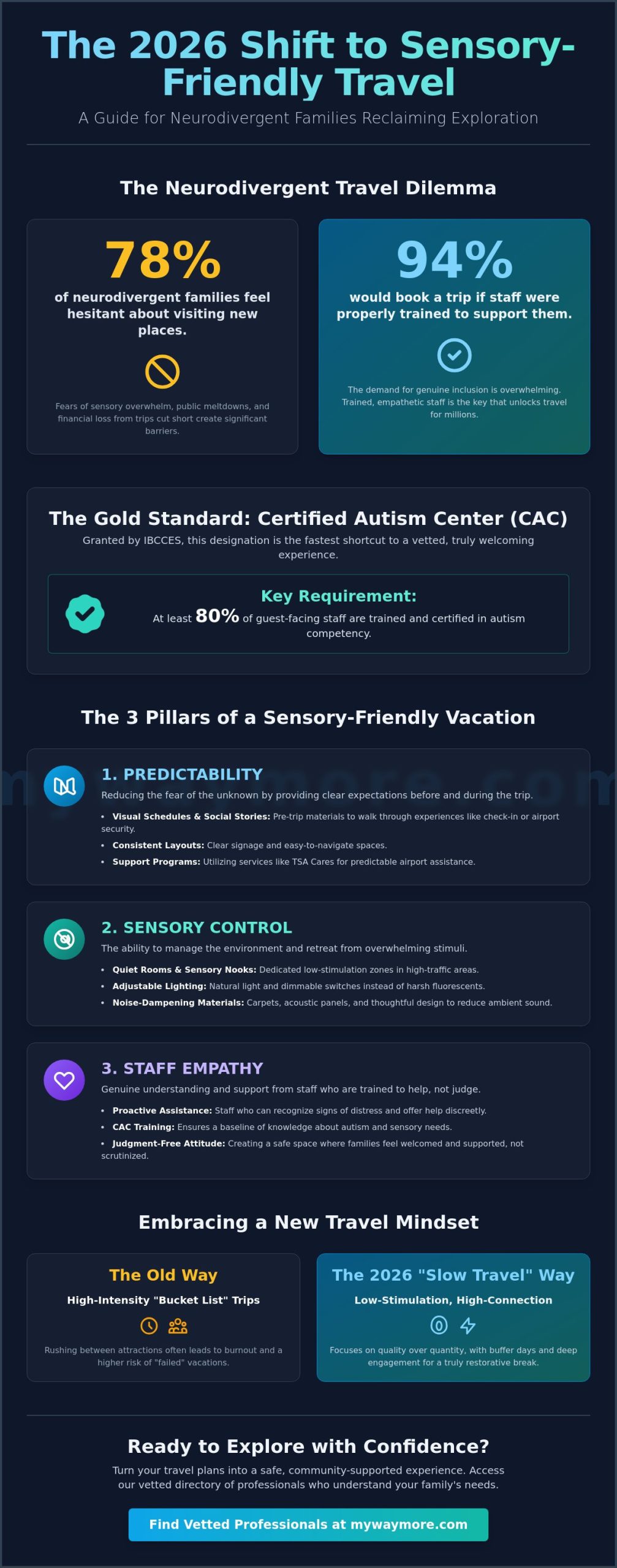
While 78% of neurodivergent families feel hesitant about visiting new places, a staggering 94% would book a trip tomorrow if they knew the staff were truly trained to support them. You’ve likely spent hours researching sensory-friendly family vacation ideas 2026, fearing a public meltdown or the crushing financial loss of a trip that ends early due to sensory overwhelm. It’s exhausting to plan for every “what if” when the information isn’t vetted or reliable.
We’ve curated the most calming options to help you reclaim the joy of exploration with confidence. In 2026, travel is shifting toward “intentional inclusion,” providing controllable micro-environments that cater to every family member’s unique needs. This guide will walk you through vetted, neurodiversity-affirming destinations and the specific brands that prioritize your peace of mind. You’ll discover how to build a stress-free itinerary with built-in quiet zones and learn the best strategies to manage transitions between home and your destination.
Key Takeaways
- Understand why 2026 marks a shift toward proactive travel planning through the expansion of Certified Autism Center (CAC) designations.
- Vet any destination with the “Three Pillars of Inclusion” checklist to guarantee predictability, sensory control, and genuine staff empathy.
- Discover the best sensory-friendly family vacation ideas 2026, featuring immersive National Park “Quiet Trails” and inclusive all-inclusive resorts.
- Prepare for successful transitions by using visual schedules and securing a Hidden Disabilities Sunflower lanyard for extra airport support.
- Access a vetted directory of professional services to turn your travel plans into a safe, community-supported experience.
The Evolution of Inclusive Travel: Why 2026 is the Year for Sensory-Friendly Explorations
The travel landscape has undergone a radical transformation. For years, families with neurodivergent members had to play defense, constantly reacting to sensory triggers and hoping for the best. In 2026, the industry is finally catching up by adopting a proactive stance. This evolution is rooted in the concept of Accessible tourism, which now prioritizes sensory needs alongside physical mobility. When you look for sensory-friendly family vacation ideas 2026, you aren’t just looking for a ramp; you’re looking for a controlled environment where your child can thrive without the weight of public judgment.
To better understand this concept and see some top picks, watch this helpful video:
This year marks the rise of “Micro-Environments” in high-stress hubs like airports and large resorts. These are dedicated quiet rooms, sensory nooks, and low-stimulation zones designed to prevent overwhelm before it starts. It’s part of a larger trend known as “Hushpitality,” where rest and sensory regulation are the primary goals. This shift provides an incredible emotional benefit. It allows families to build a shared identity centered on adventure rather than limitation, fostering a sense of belonging in the global travel community while boosting personal confidence for everyone involved.
What is a Certified Autism Center (CAC)?
The Certified Autism Center (CAC) designation is the gold standard for travel in 2026. Granted by the International Board of Credentialing and Continuing Education Standards (IBCCES), this certification ensures that at least 80% of staff are trained in autism competency. It’s a rigorous process involving environment audits and ongoing education. Spotting the CAC logo is your fastest shortcut to a successful trip. At MyWaymore, we make this easier by highlighting these certified businesses within our professional directory, so you don’t have to guess who is truly prepared to welcome your family.
The “Slow Travel” Movement for Neurodiverse Families
High-intensity “bucket list” trips are being replaced by low-stimulation, high-connection getaways. This “Slow Travel” movement emphasizes quality over quantity. Instead of rushing between five attractions in a day, families are choosing destinations that allow for “buffer days” and deep engagement with the local environment. It’s about finding accessible professional services that understand the need for a slower pace. By supporting community-focused businesses, you gain a more predictable and empathetic experience. This approach reduces the high cost of “failed” vacations and ensures that every moment spent away from home actually feels like a restorative break.
Defining the Sensory-Friendly Gold Standard: What to Look For
Finding the right fit for your family means looking past generic “accessibility” labels. When scouting for sensory-friendly family vacation ideas 2026, the gold standard is defined by three pillars: predictability, sensory control, and staff empathy. Predictability starts before you leave home. High-quality destinations now provide visual schedules and “Social Stories” that walk your child through the check-in process or a typical day at the resort. This reduces the fear of the unknown. Even the federal government has recognized this need for predictability; programs like TSA Cares offer specialized assistance to ensure the airport experience doesn’t derail your trip before it begins.
Physical environments must also be managed carefully. Noise-dampening materials in hallways and dedicated quiet rooms are non-negotiable features for a low-stress stay. You want to avoid the “mall effect” where harsh fluorescent lighting and constant background music create a recipe for sensory overload. Look for lodging that prioritizes natural light and adjustable dimmers in guest rooms. These features give you the power to dial down the stimulation when things get too loud or bright. Details matter.
True inclusion is more than just a quiet hour. It’s about a holistic design that considers how a neurodivergent person experiences a space. When you evaluate sensory-friendly family vacation ideas 2026, ask if the venue has consulted with experts to audit their sensory impact. Small details like the hum of an air conditioner or the texture of the carpet can be the difference between a relaxing afternoon and a difficult evening. Vetted locations will have answers to these specific questions ready for you.
Controllable Environments vs. Public Spaces
Controllable environments are safer than unpredictable public spaces. Suite-style accommodations are often better because they offer separate living areas for decompression. Having a kitchenette allows you to maintain familiar dietary routines, which is vital for many neurodivergent travelers. Some innovative hotels even provide “sensory kits” stocked with weighted blankets, fidget tools, and blackout curtains. These small touches turn a standard room into a sanctuary.
Staff Training and Neurodiversity Affirmation
Staff attitude can make or break a trip. A true “judgment-free zone” is usually reflected in a business’s mission statement or their employment of a dedicated “Inclusion Coordinator.” This professional oversees sensory accommodations and trains the team on neurodiversity affirmation. To verify these claims, check peer reviews on MyWaymore. Real-world feedback from other parents is the best way to ensure a destination’s staff is supportive.
5 Best Sensory-Friendly Family Vacation Ideas for 2026 (The Roundup)
Finding the right destination means looking beyond the obvious tourist traps. While many guides focus solely on major theme parks, the best sensory-friendly family vacation ideas 2026 embrace variety and intentional quiet. We’ve rounded up five exceptional options that prioritize your family’s peace of mind.
- The National Park “Quiet Trail” Initiative: Many parks now designate specific trails and times as “low impact” zones. These areas limit group sizes and noise levels, allowing your family to immerse themselves in nature without the stress of heavy crowds.
- Inclusive All-Inclusive at Beaches Resorts: Beaches continues to set the bar by maintaining Advanced Certified Autism Center status. Their staff includes specialized childcare providers who can support your child while you take a much-needed breather.
- European “Quiet Hour” City Tours: In 2026, cities like London and Amsterdam have expanded their low-sensory offerings. You can now book museum tours and canal trips during specific “quiet hours” where lighting is dimmed and audio guides are adjusted for sensitive ears.
- Sensory-Safe at Sea: Royal Caribbean and Celebrity Cruises offer autism-friendly films, toy lending programs, and sensory-friendly dining. These lines have committed to neurodiversity by providing staff who understand how to handle overstimulation in the middle of the ocean.
- MyWaymore Curated Retreats: Use our directory to find the ultimate controllable environment: State Park cabin retreats. These locations offer the predictability of a home routine with the beauty of the outdoors. MyWaymore connects you with vetted, local businesses that offer the specific layouts and quiet locations your family needs to thrive.
Theme Parks Beyond the Mouse
If your heart is set on a theme park, look at Sesame Place. It was the first theme park in the world to become a Certified Autism Center. Every ride has a sensory guide, so you know exactly what to expect before you get in line. LEGOLAND Resorts are another fantastic choice. The structured, predictable nature of LEGO play naturally creates a calmer atmosphere. Don’t overlook Dollywood either. Their “Calming Room” was a pioneer in the industry, providing a high-tech, low-stimulation space for guests who need to reset.
Nature and “Blue Space” Vacations
Water has a scientifically proven calming effect. Instead of a busy beach, consider a low-traffic lakeside retreat. These “Blue Spaces” offer a more predictable sensory experience. Dark Sky Parks are another growing trend for 2026. These parks offer high-interest, low-stimulation evening activities like stargazing, which are perfect for science-loving kids who prefer the quiet of the night. If your child thrives on routine, a farm stay might be the perfect fit. The daily rhythm of animal interaction and predictable chores acts as a natural sensory regulator, keeping everyone grounded and happy.
Mastering the Itinerary: A Stress-Free Planning Guide
Success lies in the details of the transition. When you are mapping out sensory-friendly family vacation ideas 2026, the itinerary shouldn’t just be a list of places to see. It needs to be a blueprint for safety. Start with a “Visual Preview.” Use VR tours or YouTube videos to walk your child through the hotel lobby or a specific museum before you ever leave the house. This helps desensitize the environment and removes the fear of the unknown. Once you arrive at the airport, secure a “Hidden Disabilities Sunflower” lanyard. This globally recognized symbol tells airport staff that your family might need a little extra time or a quieter path without you having to explain your situation repeatedly.
Your daily schedule should follow a “Home Base” strategy. Plan activities in two-hour blocks with a guaranteed mid-day return to your hotel or rental. This allows for decompression in a familiar, controlled space. Before you depart, use a trusted community resource to vet local professional services in your destination. Knowing where to find a neurodiversity-affirming doctor, therapist, or even a sensory-friendly hair salon provides an essential safety net for your trip. Find vetted local services in our directory to ensure your support system travels with you.
The 2026 Sensory Toolkit Essentials
Packing for 2026 requires more than just snacks. You need a mix of active and passive noise-canceling headphones. Active technology is best for the constant hum of an airplane engine, while passive mufflers are often better for the sharp, unpredictable sounds of a theme park. Wearable GPS trackers are now a standard safety tool for “runners” in crowded environments. Don’t forget digital “Social Stories” apps to create custom, interactive guides that help your child navigate specific transitions like boarding a plane.
Navigating the Airport with Ease
The airport is often the most stressful part of the journey. Utilize the TSA Cares program by requesting a dedicated passenger support specialist at least 72 hours before your flight. They can meet you at the curb and guide you through security in a way that minimizes stress. Many major 2026 travel hubs now offer dedicated “Quiet Lounges” or sensory rooms. If your child is particularly anxious about flying, consider a “Practice Flight” strategy by visiting the terminal on a non-travel day.
Finding Your Community: How MyWaymore Simplifies Special Needs Travel
When you search for sensory-friendly family vacation ideas 2026, you often find yourself drowning in a sea of generic results. A standard search engine doesn’t understand the nuance of a sensory trigger or the relief of a judgment-free zone. That’s why a curated directory is your most powerful tool. It filters out the noise and connects you directly with businesses that have already done the work to be inclusive. By using a specialized platform, you aren’t just finding a place to stay. You’re finding a community that speaks your language and understands your family’s unique rhythm.
The real magic happens through identity-matched reviews. Reading feedback from another neurodiverse family who visited that specific hotel or park gives you a level of security no brochure can match. You’ll know if the “quiet zone” is actually quiet or if the staff truly understands how to support a child during a moment of overwhelm. This transparency builds trust. It empowers you to make decisions with absolute confidence because the information comes from people who share your lived experience.
Vetted Services at Your Fingertips
Travel isn’t just about the destination; it’s about the support you have once you get there. MyWaymore helps you find accessible professional services in your destination, from sensory-friendly hair salons to healthcare providers who specialize in neurodiversity. You can use our specialized filters to identify minority-owned and inclusive businesses. This ensures your travel dollars support entrepreneurs who value diversity as much as you do. If you are a business owner providing these essential services, we invite you to read our How to List Your Business guide to join our growing network of inclusive providers.
Join the MyWaymore Global Community
We believe that every search is a collective social contribution. When you book through a vetted directory or leave a review, you’re helping the next family plan their stress-free trip. This “Community First” approach turns a simple transaction into a meaningful interaction. It strengthens the local economy and promotes global accessibility. Your insights are the most valuable asset we have. By sharing your experiences, you help us curate the exceptional and the overlooked, making the world a bit smaller and much more welcoming for everyone. Start your 2026 discovery today and help us build a more inclusive future for travel.
Reclaim Your Family’s Sense of Adventure
The days of compromising on family travel are behind you. By shifting from a reactive approach to one centered on predictability and sensory control, you can finally enjoy the restorative break you deserve. You now have the tools to vet destinations using the gold standard of inclusion and the strategies to navigate high-stress hubs like airports with ease. Whether you are exploring “Quiet Trails” or choosing a sensory-safe cruise, these sensory-friendly family vacation ideas 2026 are designed to put the joy back into your itinerary.
Finding the right support shouldn’t be a solo mission. You can discover sensory-friendly businesses and hotels on MyWaymore, where we’ve gathered over 10,000 vetted local listings to simplify your search. Our dedicated special needs travel community provides the real-world insights you need, while our inclusive business verification markers ensure you are supporting entrepreneurs who truly value accessibility. Your next great discovery is waiting just around the corner. We’re here to help you navigate the world with confidence and connection.
Frequently Asked Questions
What is the most sensory-friendly destination for 2026?
San Diego and Barcelona are top contenders for 2026 due to their high concentration of Certified Autism Centers and accessible infrastructure. San Diego’s “Autism in the Park” programs and Barcelona’s sensory-friendly museum hours make them standouts for families seeking predictability. These cities represent the best sensory-friendly family vacation ideas 2026 by offering a mix of vibrant culture and dedicated quiet zones that cater to neurodiverse needs.
How do I find hotels with quiet rooms or sensory-friendly certifications?
You should look for the Certified Autism Center (CAC) or “Autism Ready” seals on a hotel’s official website. These designations ensure the staff has completed specialized training and the environment has been audited for sensory impact. You can also use the MyWaymore directory to filter for businesses that have earned these specific inclusive markers, saving you hours of manual research and phone calls.
Can I request a sensory-friendly room at major hotel chains?
Yes, you can request specific accommodations such as a room located away from elevators, blackout curtains, or scent-free cleaning. While many major chains don’t have “sensory rooms” by default, they often provide sensory kits with weighted blankets and fidget tools upon request. It’s best to call the front desk directly 48 hours before your arrival to confirm these details with the on-site manager.
What is the Hidden Disabilities Sunflower program and how does it help travelers?
The Hidden Disabilities Sunflower program is a global initiative that allows travelers to voluntarily share that they have a condition that may not be immediately obvious. By wearing a green sunflower lanyard, you alert airport and venue staff that your family might need additional support, more time, or a quieter path. It’s a simple tool that fosters empathy and reduces the need for constant explanations in high-stress environments.
Is Disney World still the best option for autistic children in 2026?
Disney remains a strong choice, but it’s no longer the only gold standard for sensory-friendly family vacation ideas 2026. Their Disability Access Service (DAS) is highly effective, though you must now register via a live video chat up to 60 days before your visit. Many families are finding equal success at smaller, certified parks that offer similar accommodations with significantly less crowds and lower logistical friction.
How can I find a travel agent who specializes in neurodiversity?
Search for travel professionals who hold the Certified Autism Travel Professional (CATP) designation. These experts have passed a competency exam and understand the specific challenges of neurodiverse travel. Our platform offers travel booking assistance through vetted partners who specialize in creating custom itineraries. They can help you navigate everything from service fees to finding the most inclusive airlines for your specific route.
What should I do if my child has a meltdown in a public tourist area?
Focus on your child’s immediate safety and look for the nearest designated “quiet zone” or low-stimulation nook. In 2026, most major tourist hubs in certified cities have these spaces clearly marked on their digital maps. Don’t worry about the people around you. Staff at inclusive venues are trained to offer space and empathy, allowing you to focus entirely on your child’s regulation without judgment.
Are there specific airlines that are better for sensory-sensitive passengers?
Airlines like Delta and JetBlue are frequently recognized for their inclusive practices, including the use of sensory rooms at major hub airports. Some carriers now offer “practice boarding” sessions where your family can visit the plane on a non-travel day to get comfortable. Always check the airline’s accessibility page to request a passenger support specialist through the TSA Cares program before you fly.
Disclaimer
The information provided on MyWaymore Services is for general informational and educational purposes only. While we strive to provide accurate and up-to-date travel and business information, all content is provided in good faith and we make no representation or warranty of any kind, express or implied, regarding the accuracy, adequacy, validity, or completeness of any information on the site.This article may contain affiliate links. If you click on a link and make a purchase or booking, MyWaymore Services may receive a small commission at no additional cost to you. This helps us continue to provide high-quality travel guides and directory services. We only recommend products, hotels (such as RIU or Sandals), and services that we believe add value to our readers.Your use of the site and your reliance on any information provided is solely at your own risk. Always consult with a professional for specific travel, legal, or financial advice.
Recent Comments