Autism-Friendly Resorts on the East Coast: The 2026 Neurodiverse Travel Guide
Autism-Friendly Resorts on the East Coast: The 2026 Neurodiverse Travel Guide
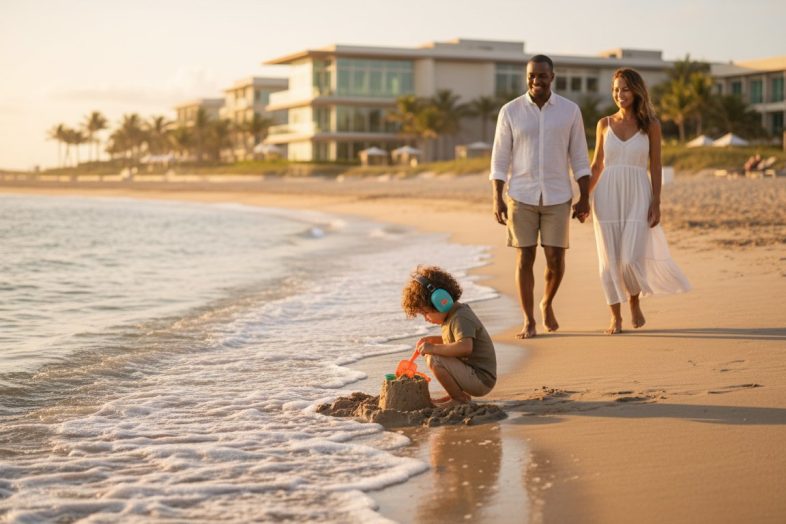
Imagine walking into a hotel lobby where the staff doesn’t stare when your child starts to hum loudly or pace; instead, they offer a sensory bag and a warm smile. For many families, the dream of a vacation often feels like a logistical minefield of potential meltdowns and judgmental glances from strangers. Finding genuine autism-friendly resorts east coast is no longer just about searching for a quiet room in the back of a building. It’s about discovering destinations that have traded “hushing” for radical empathy and specialized infrastructure designed for neurodiversity.
You deserve a getaway where you don’t have to apologize for your family’s unique needs or worry about a lack of dietary options. We believe that travel should be an empowering experience that strengthens community bonds rather than a source of stress. This guide will help you discover the most inclusive, sensory-friendly resorts on the East Coast and show you how to plan a stress-free family getaway using our professional travel booking assistance. We’ll preview the latest 2026 certified destinations, from mountain retreats with adaptive programs to coastal gems with trained “Beaches Buddies,” so you can find the perfect fit for your next discovery.
Key Takeaways
- Learn why the Atlantic coastline has become the 2026 leader in neurodiverse travel by prioritizing sensory safety and staff empathy.
- Understand the vital differences between CAN and IBCCES certifications to ensure your destination meets the highest standards for inclusive hospitality.
- Discover the top-rated autism-friendly resorts east coast families trust, featuring regional highlights from Myrtle Beach to Mid-Atlantic waterparks.
- Master essential planning strategies, including the “Sensory Suitcase” checklist and the specific questions to ask a concierge before you book.
- Find out how to leverage specialized directories and community-sourced reviews to connect with vetted, inclusive businesses that value your family’s needs.
Why the East Coast is 2026’s Top Destination for Neurodiverse Travel
The East Coast has transformed into a sanctuary for neurodiverse families. From the rugged shores of Maine down to the sun-soaked beaches of Florida, coastal cities are embracing a new standard of hospitality. This region now boasts the highest density of autism-friendly environments in the country. This isn’t a coincidence. It’s the result of tireless work by organizations like the Champion Autism Network (CAN), which started in Myrtle Beach. This area alone welcomes over 13 million visitors annually; its commitment to inclusion has set a blueprint for the entire Atlantic seaboard. When you search for autism-friendly resorts east coast, you’re looking for more than a hotel. You’re looking for a community that understands your daily life.
In 2026, we see a massive shift in how these destinations operate. Resorts are no longer just “accommodating” guests by offering a quiet corner. They’re building inclusive infrastructure from the ground up. This means sensory-friendly room layouts and staff who are trained to handle high-stress moments with grace. Our travel booking assistance helps you find these vetted locations so you can focus on making memories rather than managing logistics.
To better understand how these destinations are changing the game, watch this helpful video:
What Makes a Resort Truly ‘Autism-Friendly’?
Staff training is the backbone of a safe stay. At places like Avista Resort in North Myrtle Beach, over 70% of the staff have completed specialized training as of March 2026. This goes beyond basic awareness. It’s about crisis de-escalation and radical empathy. Physical changes matter too. You’ll find resorts with adjustable lighting, acoustic dampening in lobbies, and designated “escape zones” for overstimulated children. Predictability is the final piece. Many autism-friendly resorts east coast now provide visual schedules and social stories before you even arrive, helping your child know exactly what to expect.
The Emotional ROI of Specialized Travel
The true value of these vacations is the reduction of travel anxiety for the whole family. When a resort provides a predictable environment, parents can finally breathe. You don’t have to worry about judgmental stares or inaccessible dining options. Kids build confidence by navigating new spaces successfully and participating in inclusive activities. A Neurodiverse Vacation is a planned sensory journey designed to empower every member of the family. By choosing vetted partners, you’re contributing to a local economy that values diversity and intentional consumerism.
Understanding Autism-Friendly Certifications: CAN vs. IBCCES
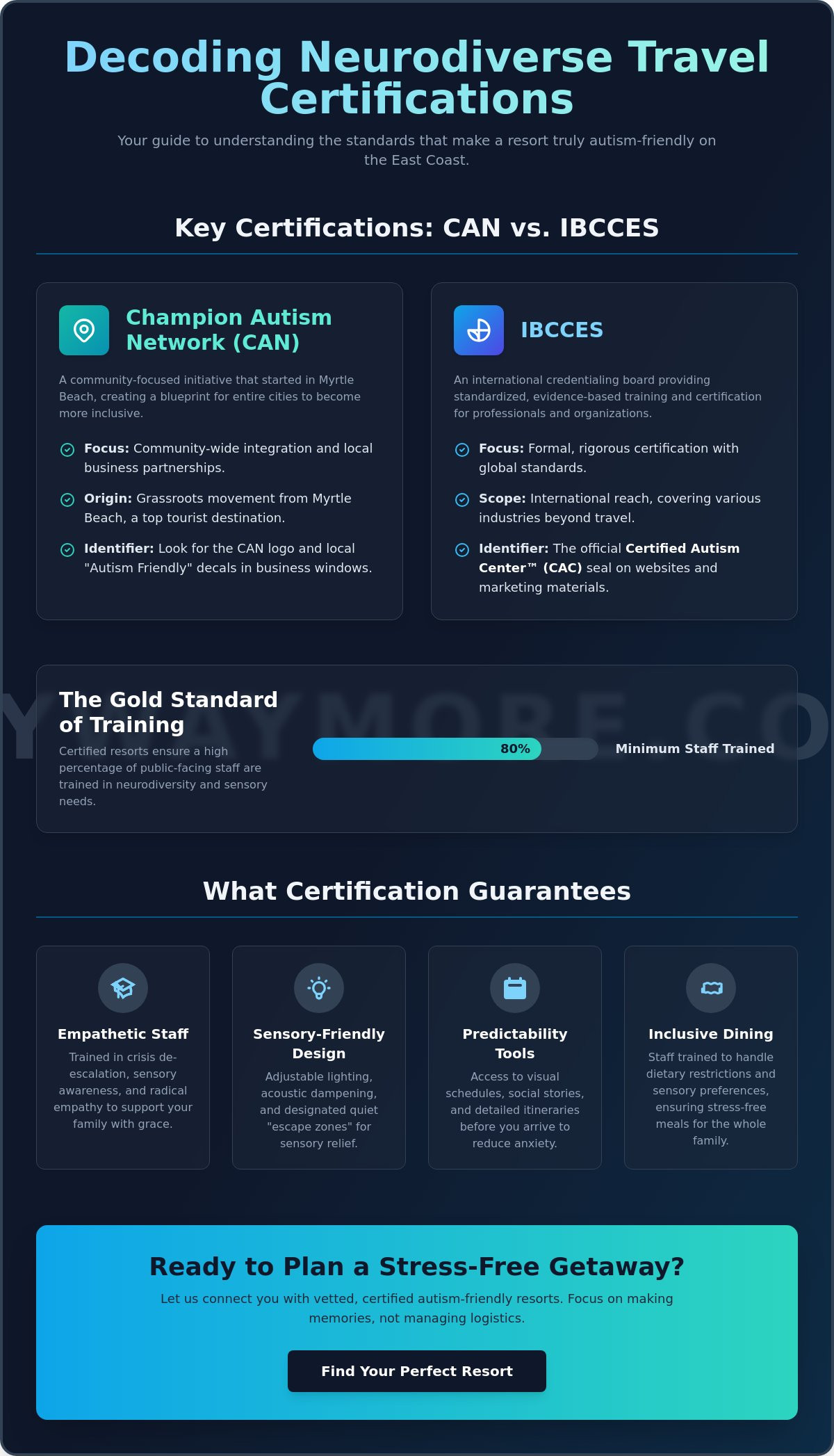
When you’re browsing for autism-friendly resorts east coast, you’ll likely see various badges and seals on hotel websites. These aren’t just marketing logos. They represent a rigorous verification process that ensures a resort’s staff actually knows how to support your family. In 2026, the two primary names you’ll encounter are the Champion Autism Network (CAN) and the International Board of Credentialing and Continuing Education Standards (IBCCES). Both organizations provide essential training, but they serve slightly different roles in the travel world.
A certification usually guarantees that at least 80% of the staff has undergone specialized training. This high threshold is critical. It means that whether you’re at the front desk or the poolside bar, the person helping you understands neurodiversity. You can find these autism-friendly resorts by looking for the “Certified Autism Center” seal or the CAN logo in the footer of their 2026 listings. To verify a resort’s status, check for these indicators:
- The Certified Autism Center™ (CAC) seal from IBCCES.
- The CAN Certified logo for Myrtle Beach area properties.
- A dedicated “Accessibility” or “Sensory Support” page on the resort’s official website.
The Champion Autism Network (CAN) Advantage
The Champion Autism Network started as a grassroots movement in South Carolina. It has since become the gold standard for coastal hospitality along the Atlantic. What sets CAN apart is its community-wide approach. It isn’t just about the resort; it’s about the entire vacation experience. When you stay at a CAN-certified property, you gain access to the “CAN Card.” This simple tool allows you to discretely notify participating restaurants and attractions of your needs. This often helps you bypass long lines or secure a quiet table. It creates a safety net of empathy that follows you from the hotel lobby to the local aquarium.
IBCCES and Large-Scale Resort Standards
While CAN focuses on community integration, IBCCES is a global powerhouse often found in major theme parks and massive all-inclusive properties. Their “Certified Autism Center” designation is a deep dive into sensory management. They provide detailed sensory guides for every attraction or activity within a resort. These guides use a 1-to-10 scale to rate the impact on sight, sound, and touch. This level of detail helps parents plan their day with surgical precision. Management at these properties must also complete continuous education, ensuring the resort stays current with the latest neurodiversity standards. Finding the right fit for your family’s specific sensory profile is easier when you have a trusted advisor. If you’re ready to start your search, you can explore our directory of inclusive businesses to see which certified destinations are currently trending for 2026.
The Best Autism-Friendly Resorts on the East Coast by Region
Finding the right home away from home depends on your family’s specific sensory preferences. Whether you crave the rhythmic sounds of the Atlantic or the quiet rustle of Vermont woods, the variety of autism-friendly resorts east coast families can choose from has never been better. We’ve curated these regional highlights to help you discover a destination that feels like a supportive community rather than just a place to sleep. Each location has been selected for its commitment to inclusive infrastructure and staff empathy.
South Carolina: The Myrtle Beach Inclusive Hub
Myrtle Beach is widely considered the pioneer of inclusive beach travel. Surfside Beach, located just south of the city, made history as the first “Autism-Friendly” town in the world. Within this hub, Avista Resort stands out. As of March 2026, over 70% of their staff are trained through the Champion Autism Network (CAN), ensuring a high level of understanding from the moment you check in. Ocean Creek Resort is another standout; as of May 2026, it remains a CAN-certified destination offering curbside check-in to bypass crowded lobbies and customized housekeeping times to maintain your child’s routine. These resorts prioritize predictability, which is often the key to a successful stay.
Florida and the Mid-Atlantic Favorites
For families who love high-energy fun with built-in safety nets, the Mid-Atlantic and Florida offer incredible options. Sesame Place Philadelphia is a landmark as the world’s first certified autism theme park, providing a familiar and safe environment for younger children. In New York, The Kartrite Resort features an indoor waterpark with dedicated sensory-friendly hours to reduce noise and crowds. Moving south, Tradewinds Island Resorts on St. Pete Beach provides extensive sensory-friendly programming and quiet zones. Florida is a unique intersection where world-class theme parks meet IBCCES-certified autism-friendly destinations, ensuring a seamless transition from the park to your hotel room.
The North: New England’s Quiet Retreats
New England offers a slower pace for those who find the beach or theme parks too stimulating. Smugglers’ Notch in Vermont is a clear leader in this region. Their Summer Adaptive Program, running from June 15 to September 4, 2026, provides individualized support for a full-day rate of $235. During the winter, their adaptive ski programs offer a predictable and encouraging environment. For the 2025-2026 season, holiday dates include December 26 through January 4, with non-holiday full-day rates at $369. These nature-focused retreats prioritize quiet, open spaces and low-sensory activities that build confidence through shared outdoor experiences. If you’re overwhelmed by the choices, our travel booking assistance can help you narrow down the perfect regional fit for your 2026 getaway.
Essential Planning Tips for a Sensory-Safe Vacation
Planning is the stage where a dream vacation transforms into a manageable reality. Once you’ve selected a destination from the top autism-friendly resorts east coast families trust, the work shifts to environmental control and predictability. You aren’t just booking a room; you’re designing a temporary sanctuary. Successful travel for neurodiverse families relies on proactive communication and a few strategic tools to manage the transitions that often trigger anxiety. By taking charge of the environment before you even arrive, you create space for the joy of discovery.
The Pre-Trip Concierge Call Checklist
Don’t wait until check-in to express your family’s needs. A phone call to the concierge two weeks before arrival can solve problems you haven’t even encountered yet. Start by requesting a room in a low-traffic area. Rooms near elevators, ice machines, or busy stairwells can be sources of unpredictable noise that disrupt sleep. Inquire about gluten-free and casein-free (GFCF) dining options at the resort’s restaurants to ensure your dietary routine stays intact. Many certified resorts can also provide “Social Stories” or high-resolution photos of the lobby and guest rooms. Sharing these with your child helps them visualize the space, which significantly reduces the fear of the unknown.
Sensory Room-Proofing and On-Site Setup
Your resort room should feel like a safe haven immediately. Many parents find that bringing a small roll of painter’s tape is a game-changer for room-proofing. Use it to cover electrical outlets or to temporarily secure cabinet doors without leaving a residue. Managing light is just as vital as managing sound. If the resort doesn’t provide blackout curtains, portable travel blinds or even dark trash bags and tape can keep the room dark for children sensitive to early morning sun. Establish a “Calm Down Corner” the moment you walk in. Place familiar items like a favorite weighted blanket, noise-canceling headphones, or a specific fidget toy in a designated area. This gives your child a predictable “home base” to retreat to when the rest of the resort feels overwhelming.
Managing these logistics can feel like a full-time job. If you want to skip the stress of vetting every detail yourself, you can use our professional travel booking assistance to find properties that already have these inclusive systems in place. We help you connect with resorts that prioritize your peace of mind so you can focus on the shared community experience. Creating a visual itinerary with photos of the resort pool or the dining hall also helps manage transition anxiety by showing what comes next. When the plan is clear, the whole family can relax.
Discovering Your Community with MyWaymore Services Corp’s Special Needs Directory
A great vacation shouldn’t end at the hotel lobby. While finding autism-friendly resorts east coast is a vital first step, a truly stress-free getaway involves the entire local ecosystem. We’ve built MyWaymore Services Corp to act as your socially conscious navigator and community connector. It’s a space where you can discover vetted, inclusive businesses that value intentional consumerism and accessibility. Whether you’re looking for a quiet barber who understands sensory sensitivities or a restaurant that prioritizes specific dietary needs, our directory bridges the gap between your family and the local experts who care.
Beyond the Resort: A Holistic Travel Experience
Travel is about exploration and growth. You might need to find a sensory-friendly dining spot near your resort or locate accessible professional services like a dentist or a personal care specialist while you’re away from home. MyWaymore Services Corp helps you identify these local gems through community-sourced reviews from other neurodiverse travelers who have already visited. These insights are invaluable; they provide the reliability of a trusted advisor who has already walked the path you’re on. You can read about how professional listings help small businesses grow while serving the neurodiverse community with dignity. By supporting these vetted establishments, you’re making a collective social contribution to the local economy and encouraging more businesses to adopt inclusive practices.
Join the MyWaymore Services Corp Community
Your voice matters in this journey. When you contribute your own reviews, you’re helping other spectrum families navigate the autism-friendly resorts east coast offers with more confidence and clarity. This shared experience builds a sense of security and trust for everyone in our community. If you’re a business owner providing specialized care or inclusive services, you can list your business on travel directory platforms like ours to reach families who are actively searching for your expertise. We offer Basic, Premium, and Featured Business Placements to help you highlight your commitment to neurodiversity and accessibility. This partnership helps make specialized services feel more accessible through vetted, reliable recommendations.
Planning a vacation doesn’t have to be a solo mission or a source of fear. With our travel booking assistance and a directory of curated discoveries, you can move from anxiety to empowerment. We act as your supportive partner, ensuring you have the tools to build a predictable, joyful itinerary. Start planning your stress-free East Coast getaway today and experience the peace of mind that comes from being part of a supportive, inclusive community that truly sees you.
Your Next Inclusive Discovery Awaits
The journey toward a stress-free family vacation begins with the right information and a supportive community. By understanding the nuances of CAN and IBCCES certifications and utilizing regional hubs from Vermont to Florida, you can transform travel from a source of anxiety into a path for personal growth. Choosing from the many autism-friendly resorts east coast destinations is no longer a guessing game; it’s a curated choice backed by radical empathy and specialized infrastructure. You’ve learned how to room-proof your suite and communicate with concierges to ensure every transition is as smooth as possible.
We founded MyWaymore Services Corp in 2021 to empower families just like yours to explore the world with confidence. Our global directory of special needs resources provides access to community-vetted reviews that offer the reliability of a trusted advisor. Every search you conduct is a collective social contribution that helps highlight and support inclusive businesses. Ready to turn your travel plans into a reality? Discover Vetted Autism-Friendly Resorts on MyWaymore Services Corp and join a movement that values diversity and intentional consumerism. You don’t have to navigate this alone. Your family’s next great discovery is just a click away.
Frequently Asked Questions
What does ‘Certified Autism Center’ mean for a resort?
A Certified Autism Center (CAC) is a designation from IBCCES that confirms at least 80% of the staff is trained and certified in autism and cognitive differences. This ensures the resort has undergone a professional audit of its physical environment and service protocols. It gives your family the security that the team understands sensory triggers and can provide professional empathy during your stay.
Are there autism-friendly beaches on the East Coast?
Yes, several Atlantic destinations are specifically designed for inclusion, with Surfside Beach in South Carolina being the first certified autism-friendly town in the world. These beach communities often feature quiet zones and sensory-friendly events throughout the year. When you book autism-friendly resorts east coast families recommend, you’ll often find they are located within these supportive coastal hubs that prioritize your peace of mind.
How do I get a CAN Card for my vacation?
You can obtain a CAN Card by registering through the Champion Autism Network’s official platform or visiting their physical hub in the Myrtle Beach area. This card serves as a discrete way to notify participating restaurants, hotels, and attractions of your family’s specific requirements. It’s a powerful tool that often helps you bypass long lines or secure quiet seating without having to explain your situation repeatedly.
Which East Coast state is most autism-friendly for travelers?
South Carolina is currently a leader because of the massive concentration of CAN-certified partners in the Grand Strand area. Florida also ranks highly due to its world-class theme parks and resorts that follow strict IBCCES standards. Both states offer robust infrastructure and trained personnel, so your choice depends on whether you prefer a nature-focused retreat or a high-energy attraction hub for your 2026 getaway.
Do autism-friendly resorts cost more than standard hotels?
Most inclusive resorts maintain standard market rates, though specialized support services may involve a nominal fee. For instance, Smugglers’ Notch in Vermont offers its Summer Adaptive Program at a full-day rate of $235 in 2026. While the base room price is usually comparable to other hotels, the true value is found in the inclusive infrastructure and trained staff that help prevent the emotional cost of travel stress.
Can I request specific room modifications before I arrive?
You can and should request modifications by contacting the resort concierge at least two weeks before your arrival. Most autism-friendly resorts east coast travelers visit allow you to request rooms away from noisy elevators, the removal of breakable decor, or the installation of blackout curtains. These pre-arrival adjustments help transform a standard suite into a predictable sanctuary where your child can feel safe and grounded immediately.
What should I pack in a sensory travel kit?
A well-prepared sensory kit should include noise-canceling headphones, familiar fidget tools, a weighted blanket, and visual schedules. It’s also helpful to pack painter’s tape for securing doors or covering outlets and a portable white noise machine to mask unfamiliar hotel sounds. Having these familiar items on hand allows you to maintain environmental control, which is essential for managing transition anxiety in new environments.
How can I find autism-friendly restaurants near my resort?
The most reliable way to find inclusive dining is to use a specialized directory like MyWaymore Services Corp or check local CAN-certified listings. These platforms provide community-sourced reviews from neurodiverse travelers who have already vetted the sensory environment and staff attitude. Using a trusted directory helps you discover local businesses that have intentionally created a welcoming space, ensuring your entire vacation experience feels supportive and inclusive.
Disclaimer
The information provided on MyWaymore Services is for general informational and educational purposes only. While we strive to provide accurate and up-to-date travel and business information, all content is provided in good faith and we make no representation or warranty of any kind, express or implied, regarding the accuracy, adequacy, validity, or completeness of any information on the site.This article may contain affiliate links. If you click on a link and make a purchase or booking, MyWaymore Services may receive a small commission at no additional cost to you. This helps us continue to provide high-quality travel guides and directory services. We only recommend products, hotels (such as RIU or Sandals), and services that we believe add value to our readers.Your use of the site and your reliance on any information provided is solely at your own risk. Always consult with a professional for specific travel, legal, or financial advice.

Recent Comments